Tap to View
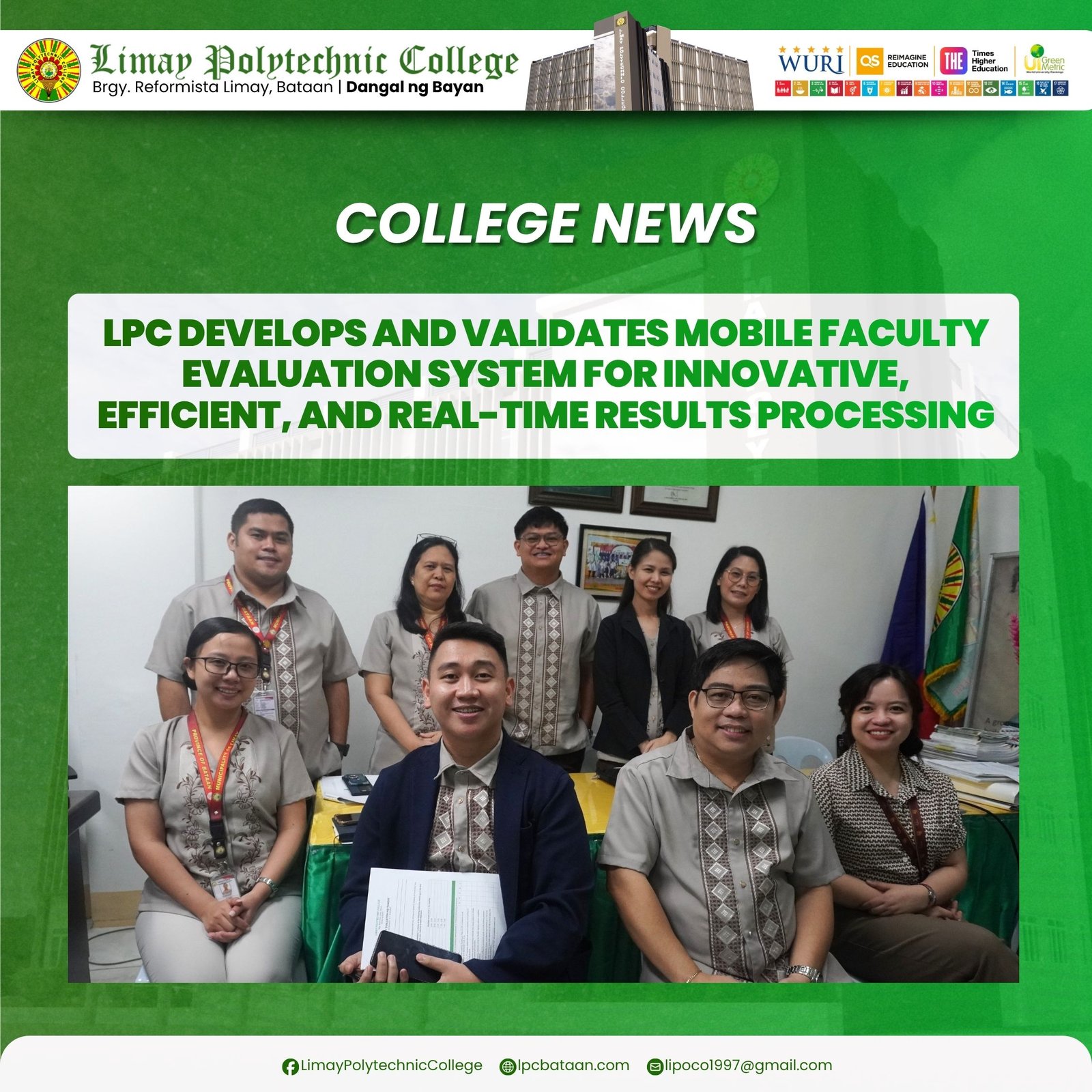
𝗖𝗢𝗟𝗟𝗘𝗚𝗘 𝗡𝗘𝗪𝗦 | LPC develops and validates Mobile Faculty Evaluation System for Innovative, Efficient, and Real-Time Results Processing
Date Posted: Nov. 02, 2026
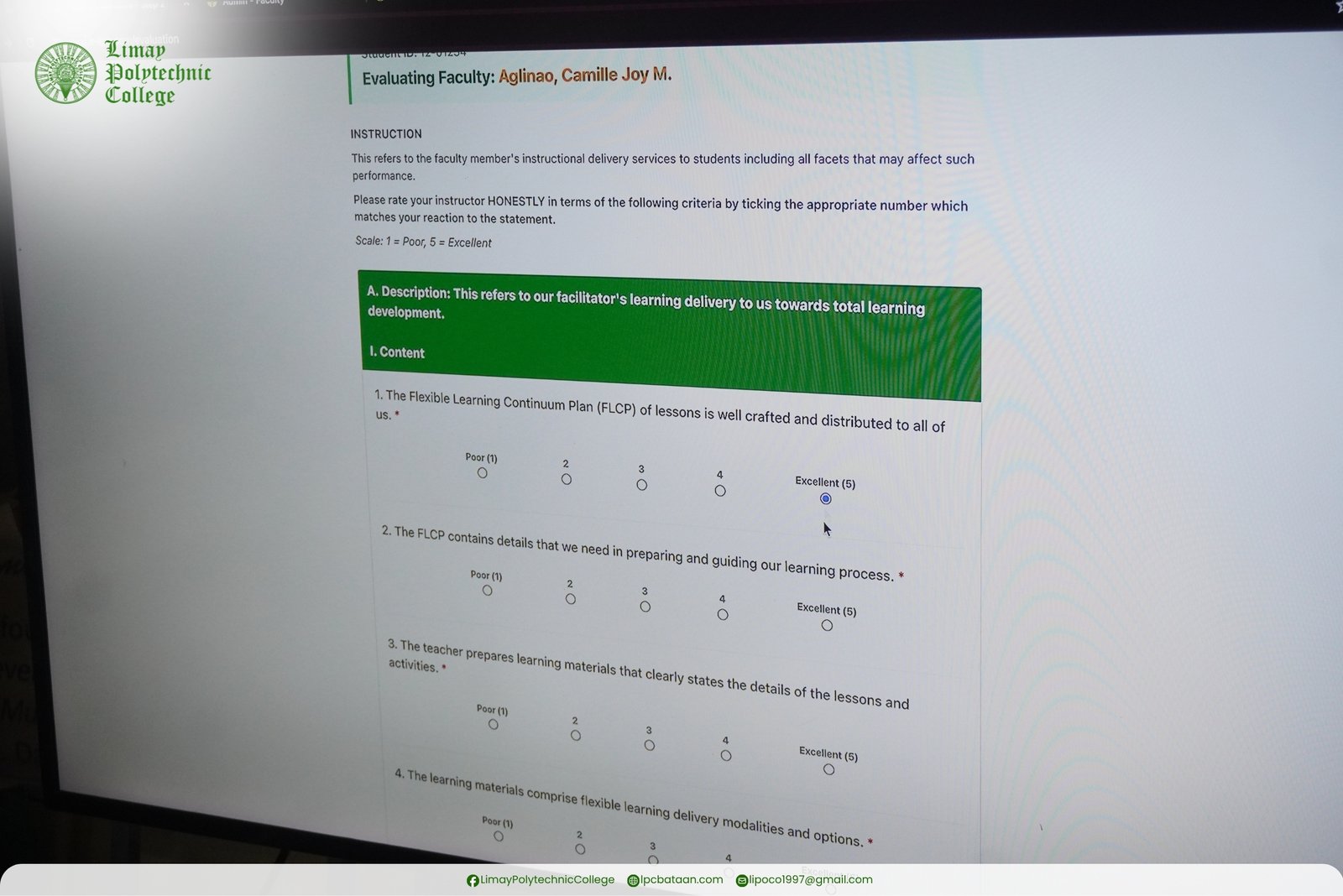
Limay Polytechnic College (LPC) continues to advance its institutional digitalization agenda through the development and validation of a Mobile Faculty Evaluation System designed to make instructional performance assessment more accessible, reliable, efficient, and responsive.
As part of its commitment to quality instruction, the College regularly evaluates faculty performance to recognize commendable practices and identify areas for continuous quality improvement (CQI).
Evaluation results also serve as important bases for mentoring, counseling, professional development, and capacity-building interventions.
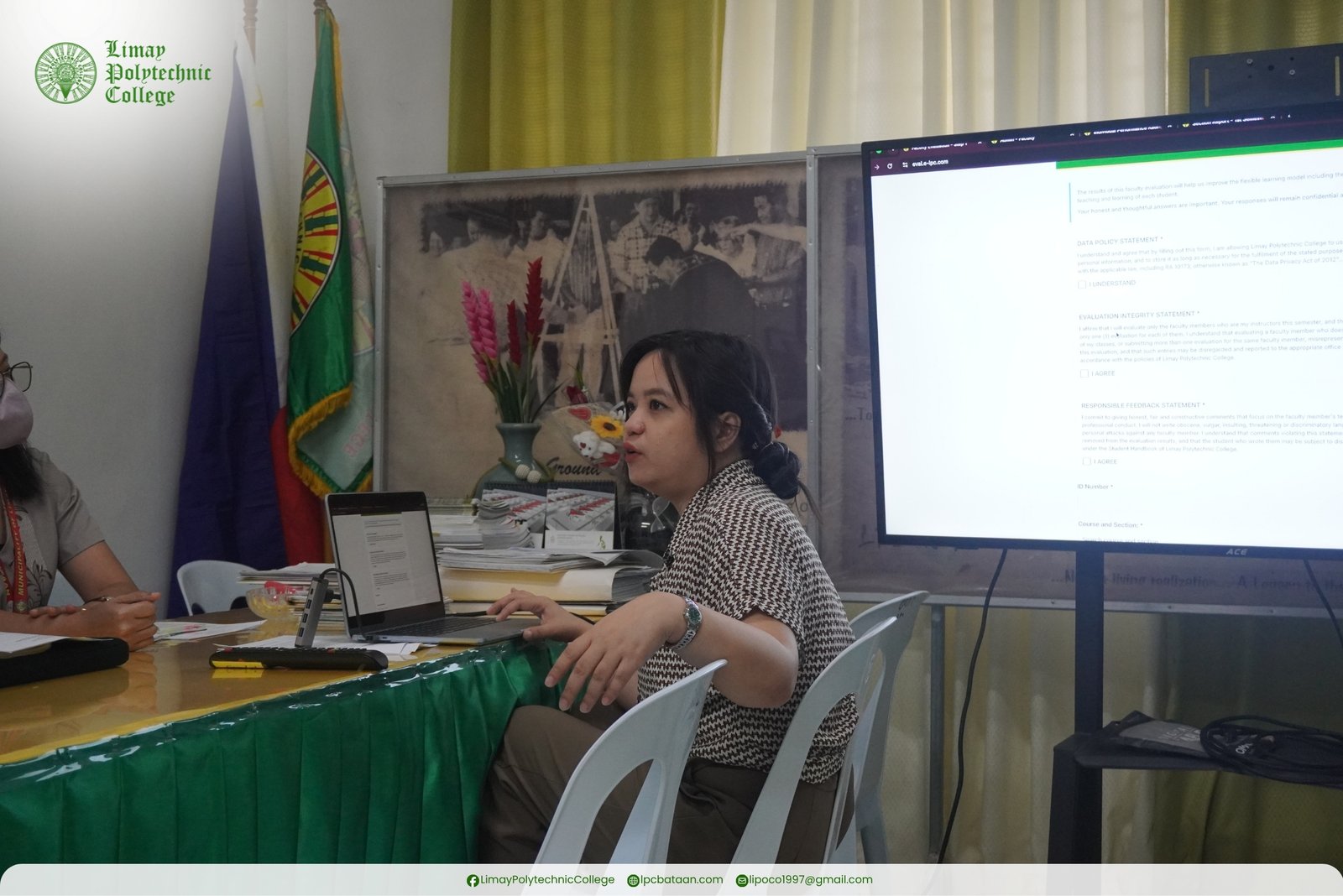
Recognizing the challenges associated with manual evaluation, particularly in administering forms, computing ratings, consolidating results, and generating reliable reports, Ms. Cheyser Charrese Gatchula, Head of the Information Technology Education Department, developed and enhanced a mobile-based system to streamline the entire process.
The proposed system is designed to be accessible through mobile devices, allowing students to evaluate their respective faculty members at their most convenient time and location. This approach is expected to improve participation, reduce the tediousness of completing multiple evaluation forms, and facilitate a more organized and efficient assessment process.
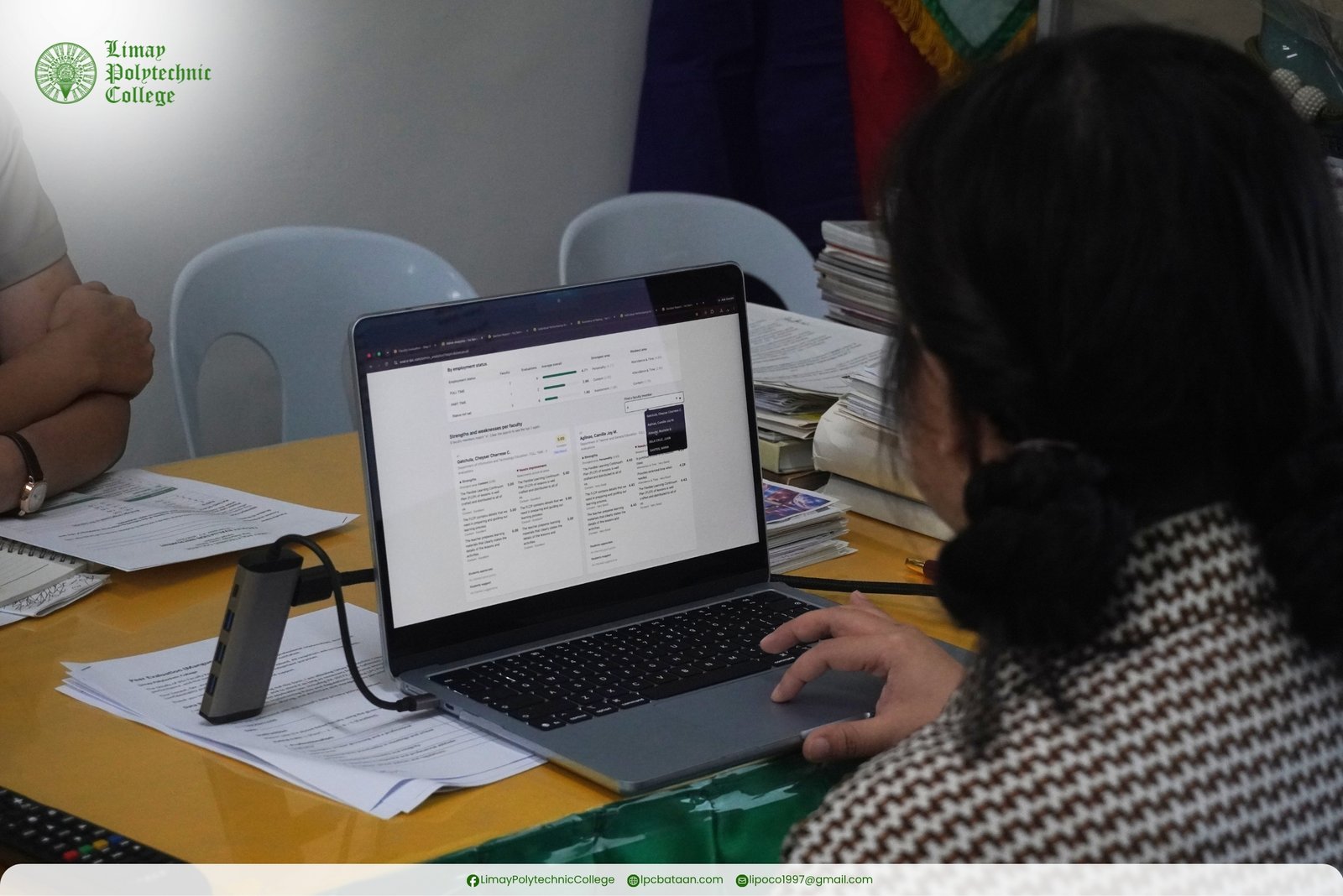
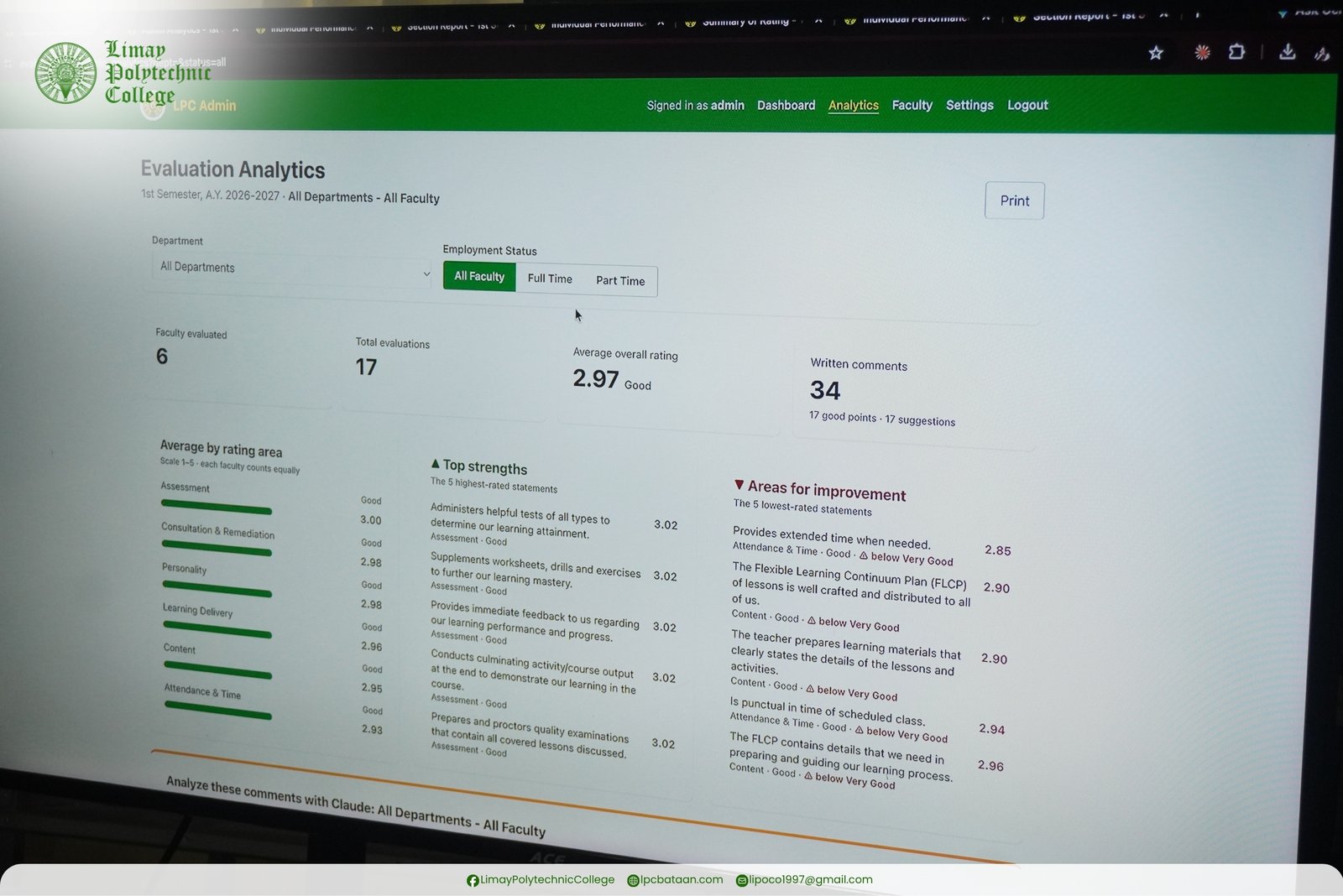
Among its anticipated features are automated computation, consolidation, statistical analytics and interpretation, and generation of evaluation results immediately after the evaluation period.
The system also incorporates measures to promote consistency and responsible rating practices while helping minimize potential bias and irregular response patterns.
For qualitative feedback, the system is designed to organize and filter comments, highlight recurring and relevant observations, and screen inappropriate expressions, including offensive language, shaming, and personal attacks.
It can also identify frequently cited evaluation items and rank them according to response patterns.
These features are intended to make qualitative feedback more manageable and useful for institutional decision-making, while preserving the integrity of the evaluation process.
The generated ratings, scores, and feedback are expected to provide the Management with evidence-based findings and recommendations, particularly in determining faculty development priorities, instructional improvement strategies, and appropriate capacity-building interventions.
System Validation and Evaluation
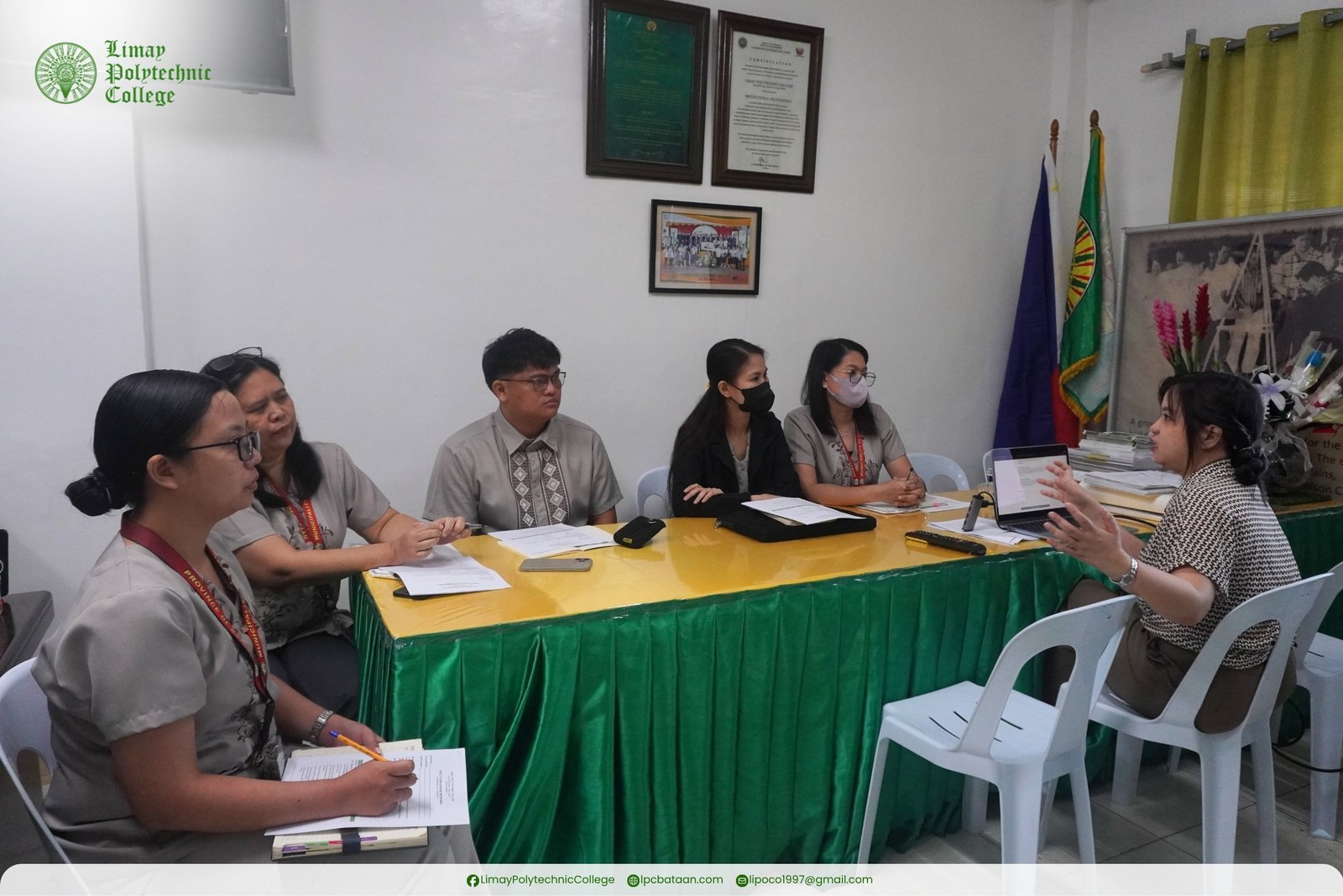
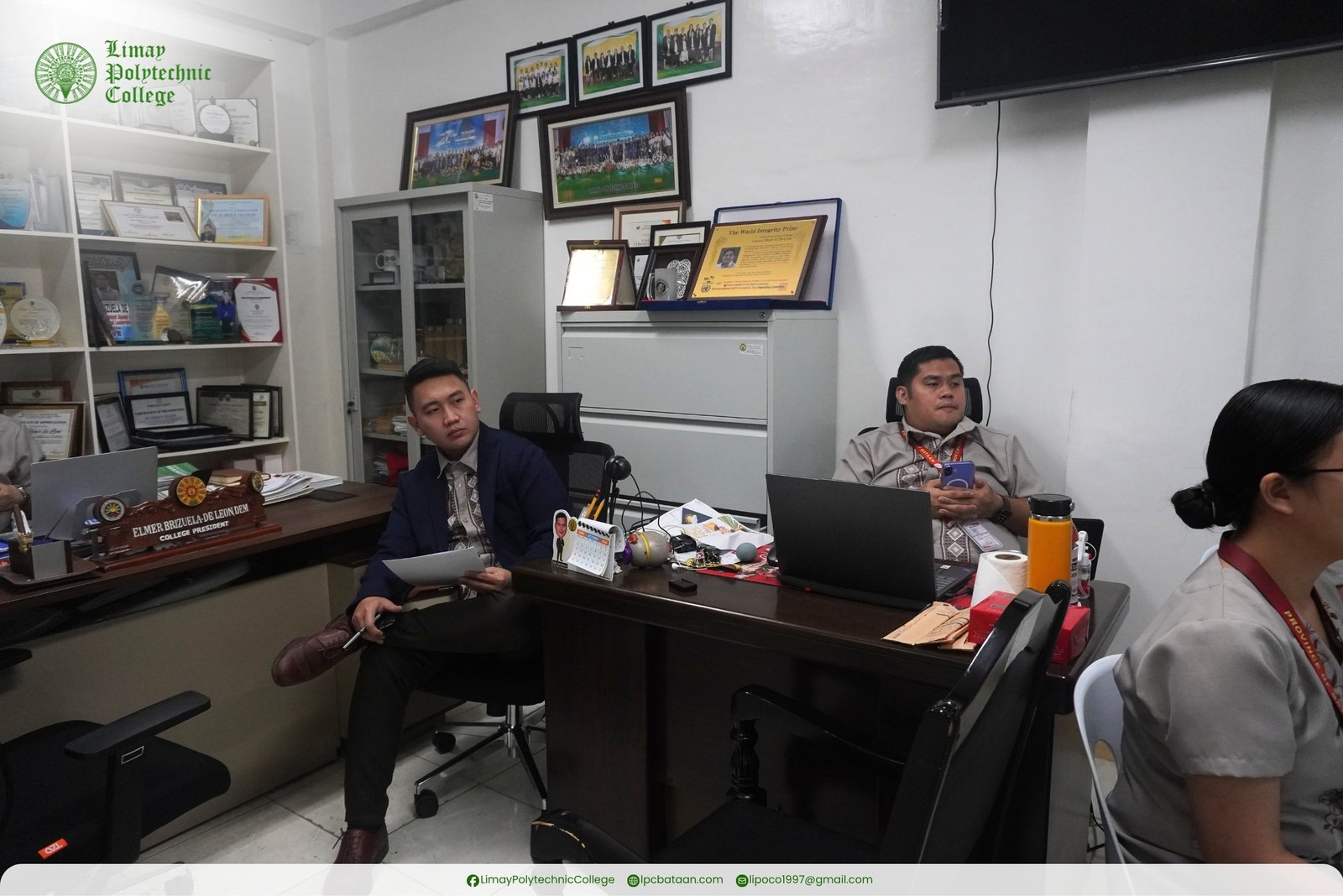
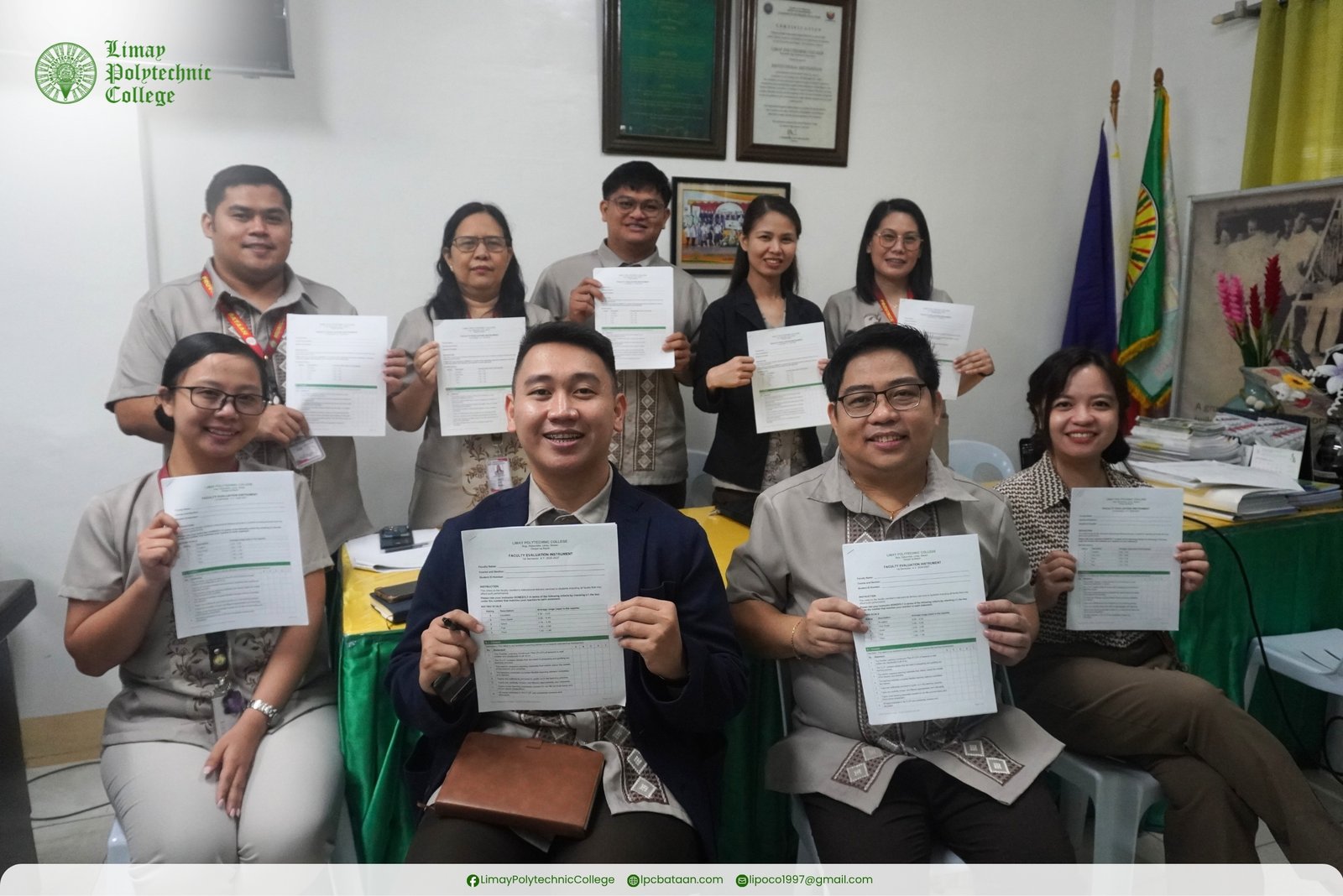
On October 29, 2026, the College conducted the system's initial validation through a demonstration and review of its content, functionality, and overall usability.
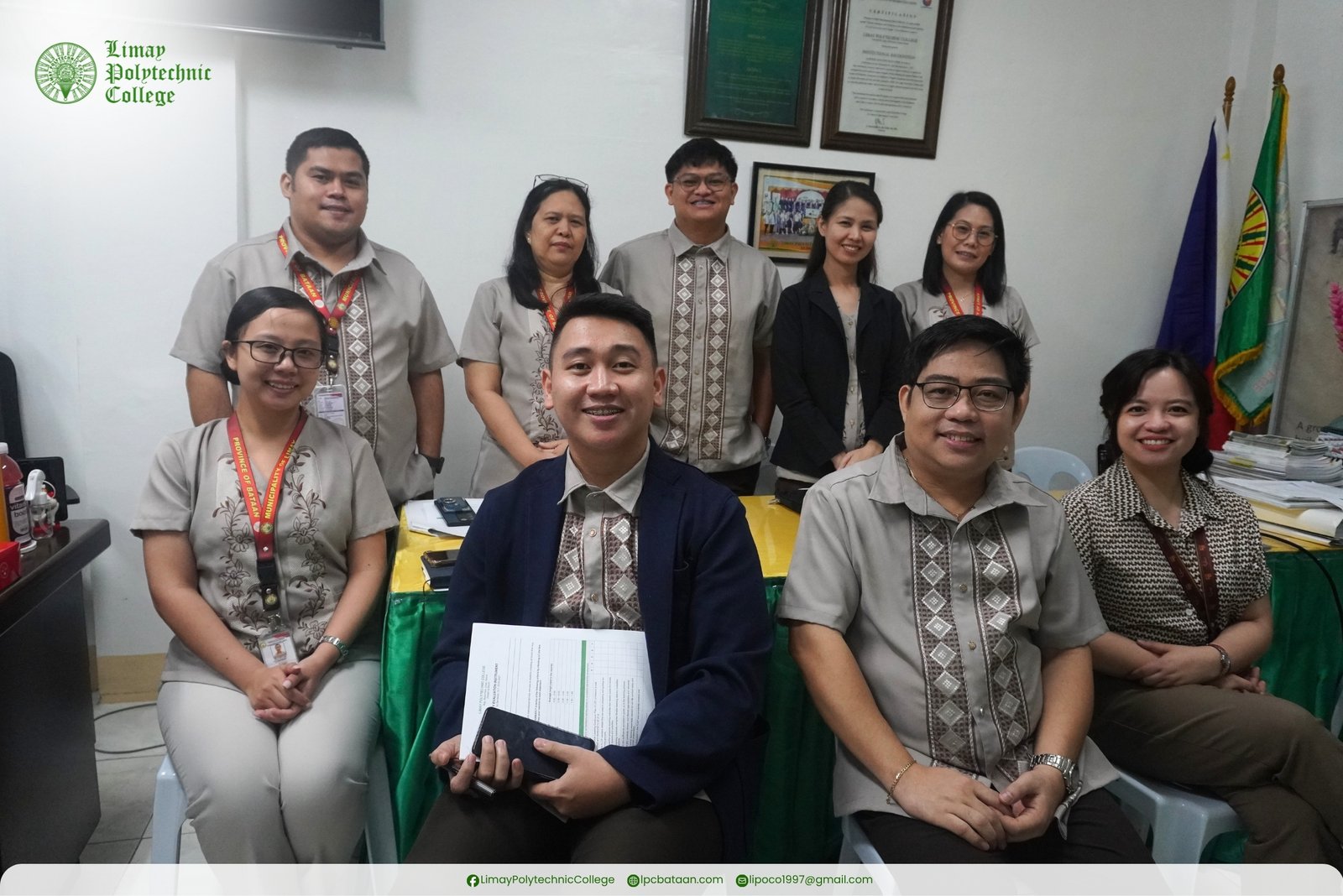
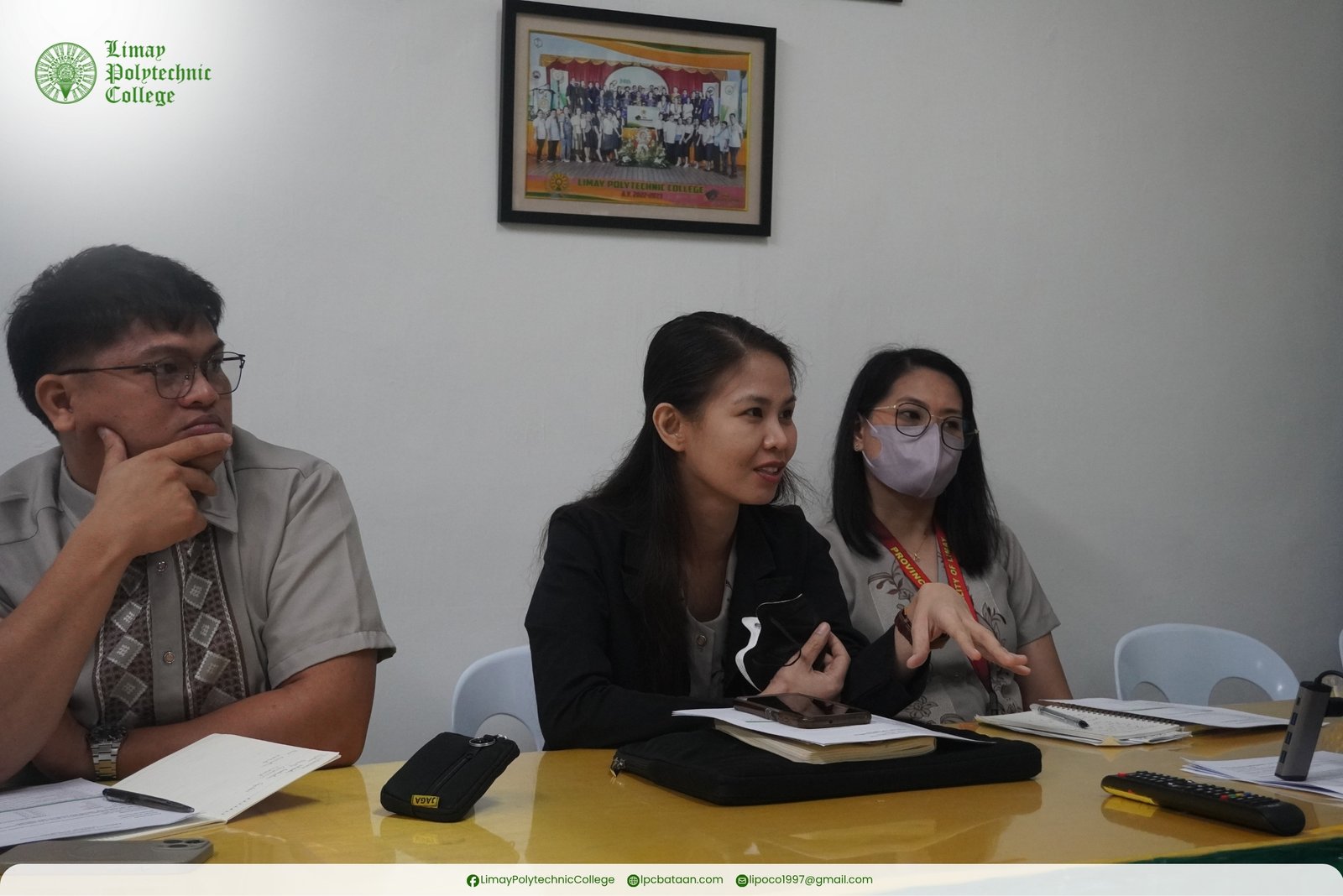
An Evaluation Committee, composed primarily of faculty representatives and relevant technical and administrative personnel, assessed the system using a validation instrument to determine its relevance, correctness, reliability, and acceptability.
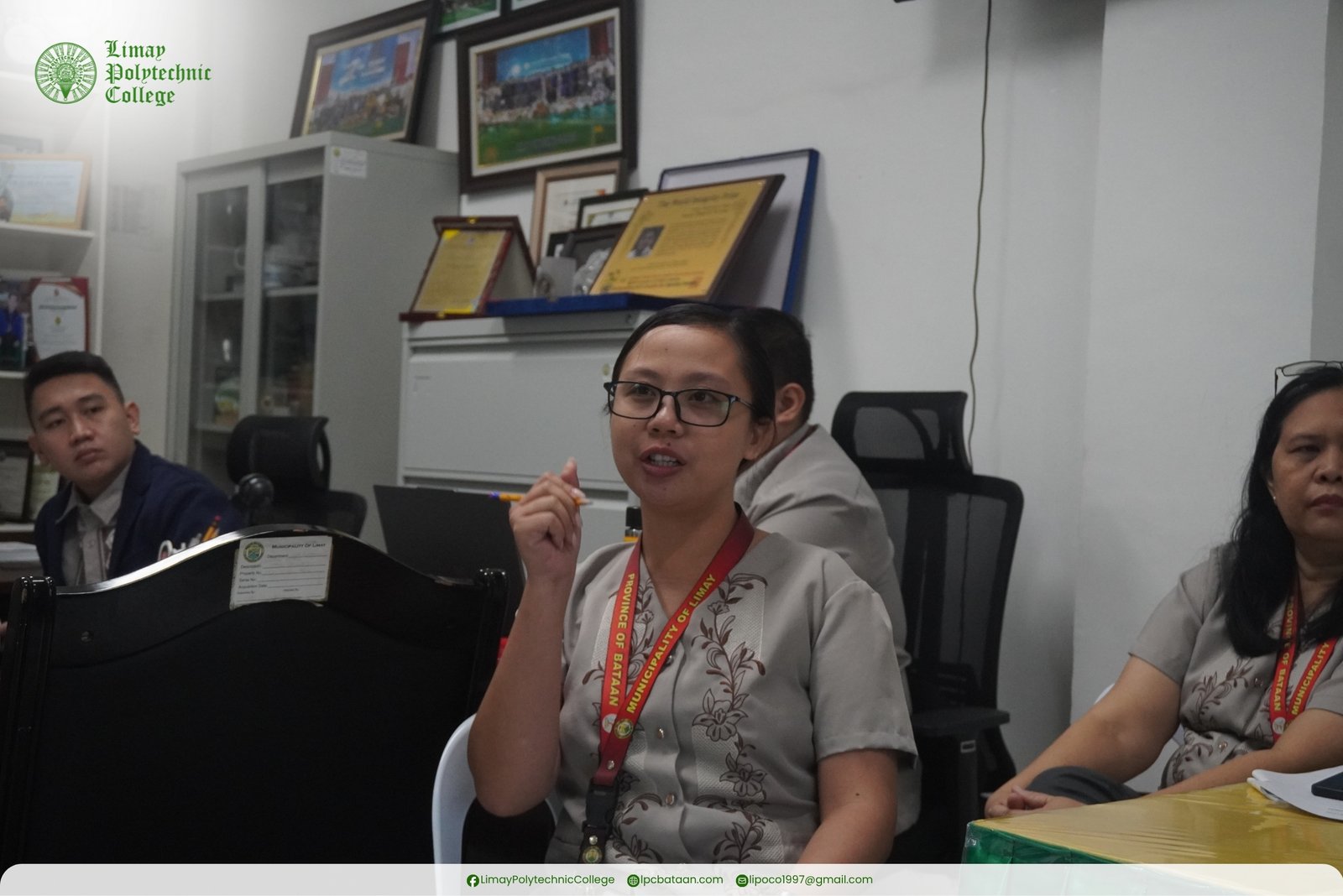
The committee members raised questions and provided comments and recommendations for further refinement.
The validation process also considered the system's alignment with instructional evaluation requirements and the practical needs of its intended users.
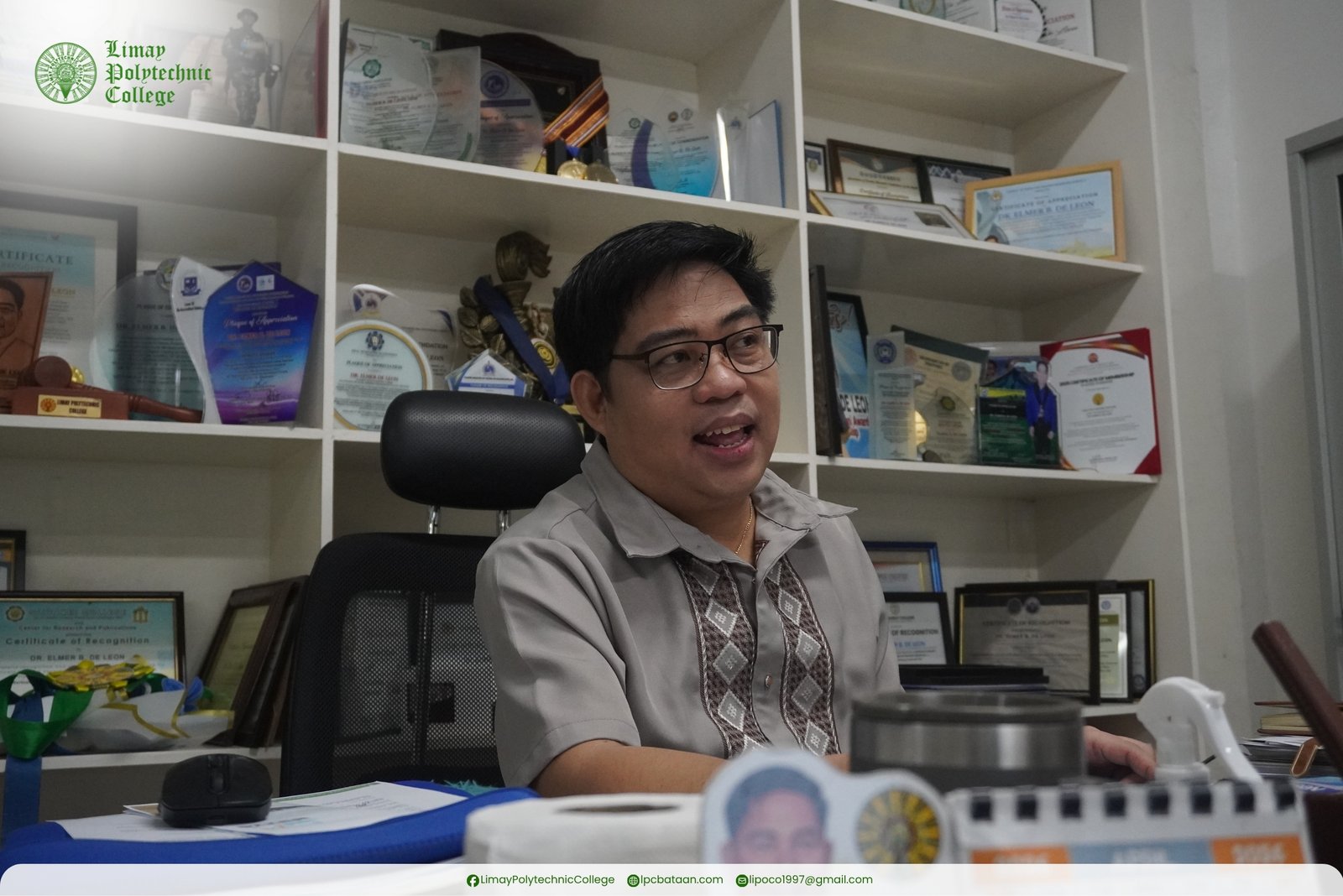
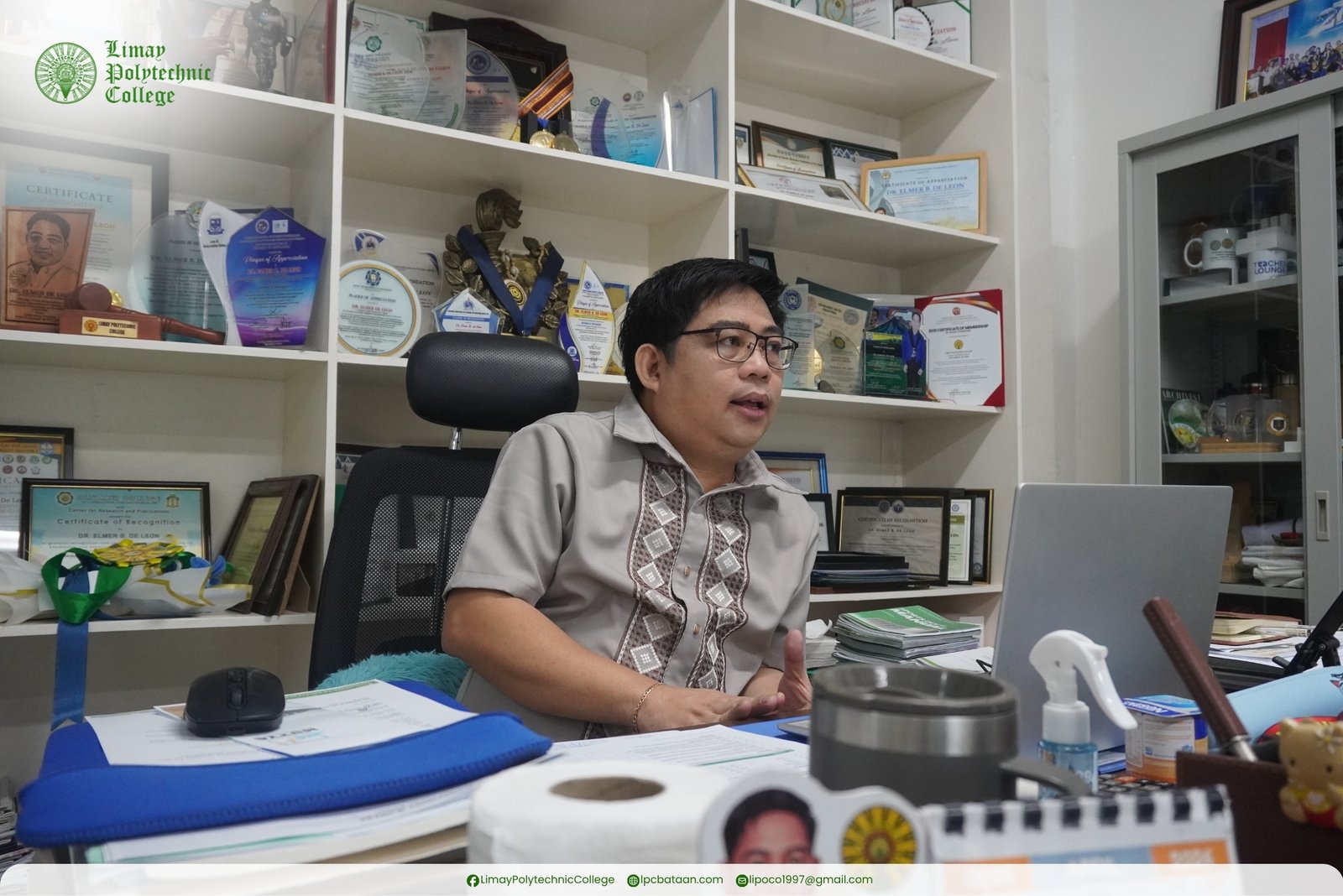
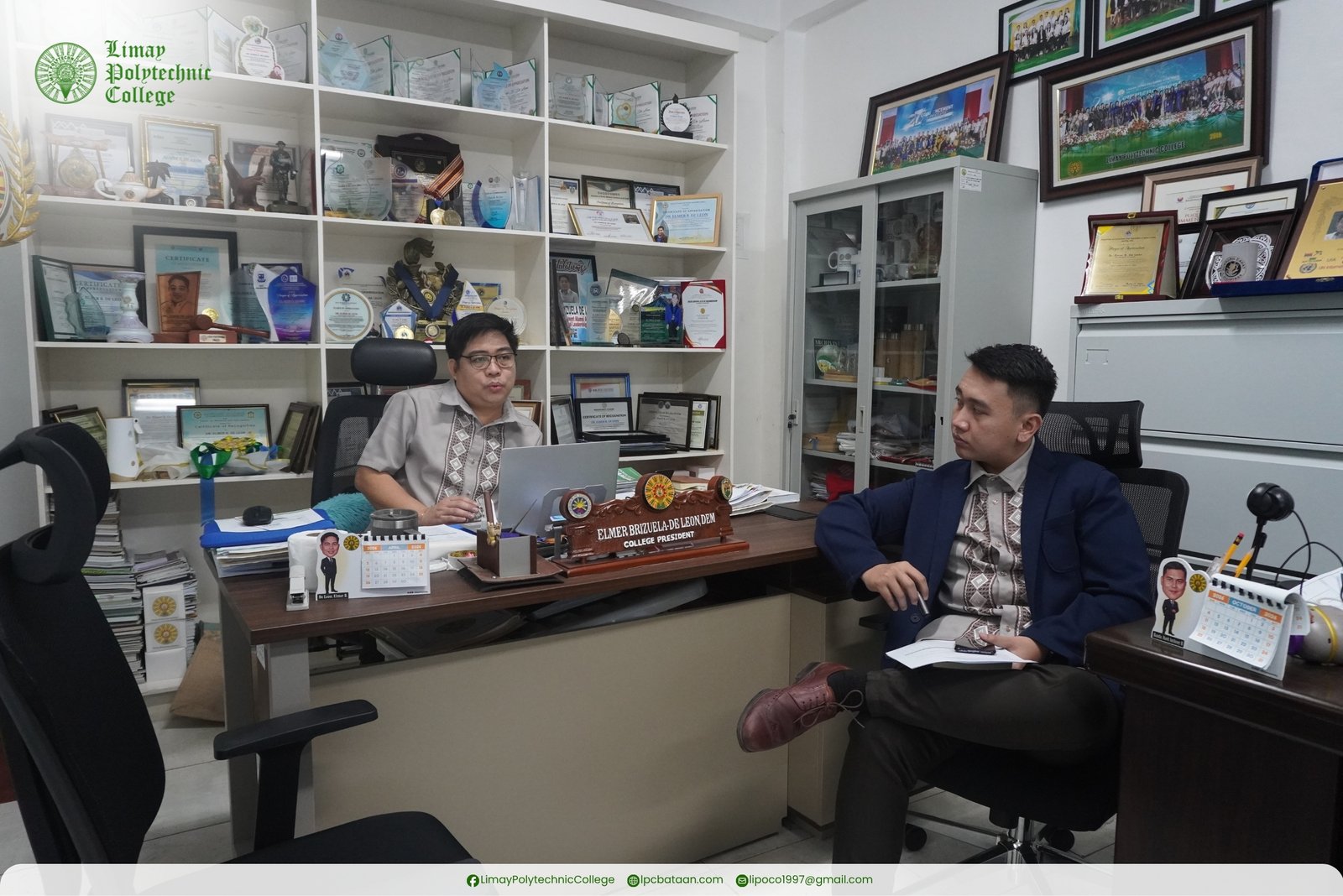
The system had previously been presented to College President Dr. Elmer B. De Leon, who provided initial comments and recommended additional features for consideration.
Ms. April Cruz, Director of Academic Affairs, likewise emphasized the importance of ensuring the validity and reliability of the evaluation process.
Following the presentation and deliberations, the Committee expressed its support for proceeding toward implementation, subject to the incorporation of recommendations and the conduct of initial testing.
The Evaluation Committee was composed of:
Ms. April Cruz, General Education and Teacher Education Representative;
Dr. John Levy Rueda, Business and Accountancy Education Representative;
Mr. John Joseph Valerio, Information Technology Education Representative and Technical Expert;
Ms. Judy Miranda – Faculty Representative and Content Expert;
Mr. Christian Bautista, Student Representative
Ms. Visayas Villa, Psychometrician and Testing and Evaluation Officer; Ms. Fatima Alvarez, Evaluation Administrator;
Mr. Mark Anthony Banda, Quality Assurance Representative.
Phased Testing and System Expansion
As the next step, the College will undertake alpha testing among selected sections from each department to assess the system's functionality, usability, and performance under actual evaluation conditions.
Feedback from this initial phase will guide further adjustments, while faculty orientation will be set on October 06, before its wider implementation.
A subsequent beta testing and general evaluation will be conducted following broader utilization to determine its effectiveness and identify areas for enhancement.
Ms. Gatchula also committed to expanding the system, as directed by Dr. De Leon and recommended by Mr. Banda, to accommodate other evaluation mechanisms, including peer evaluation, faculty evaluation by department heads, presidential evaluation, and faculty self-assessment.
Another proposed development is the creation of an integrated faculty portal where individual faculty members may access their evaluation results, attendance and tardiness records, and compliance and accomplishment status.
Once fully established, the platform may be linked to LPC's broader Institutional Management Information System to support more comprehensive data management and performance monitoring.
Advancing Digital Quality Assurance
This initiative forms part of LPC's continuing institutional digitalization and quality assurance agenda, particularly in strengthening data-driven evaluation, transparent performance monitoring, and continuous improvement of instructional delivery.
The College President commended Ms. Gatchula for her initiative, technical contribution, and commitment to developing practical digital solutions for institutional needs.
He likewise recognized the Evaluation Committee for its active participation, professional insights, and valuable recommendations in making the system more relevant, reliable, and responsive.
Through this innovation, LPC moves closer to a more efficient, technology-enabled, and evidence-based faculty evaluation process—transforming assessment from a routine compliance activity into a meaningful instrument for professional growth, instructional excellence, and better learning outcomes. #
#SDG4QualityEducation