Tap to View
𝗖𝗢𝗟𝗟𝗘𝗚𝗘 𝗡𝗘𝗪𝗦 | LPC forms Task Force El Niño to strengthen Institutional Preparedness, Mitigate Risks, and Protect the Campus Community
Date Posted: Nov. 02, 2026
Limay Polytechnic College (LPC) has organized the Task Force El Niño to strengthen institutional preparedness, anticipate potential disruptions, and establish proactive measures against the possible impacts of an intensified El Niño phenomenon.
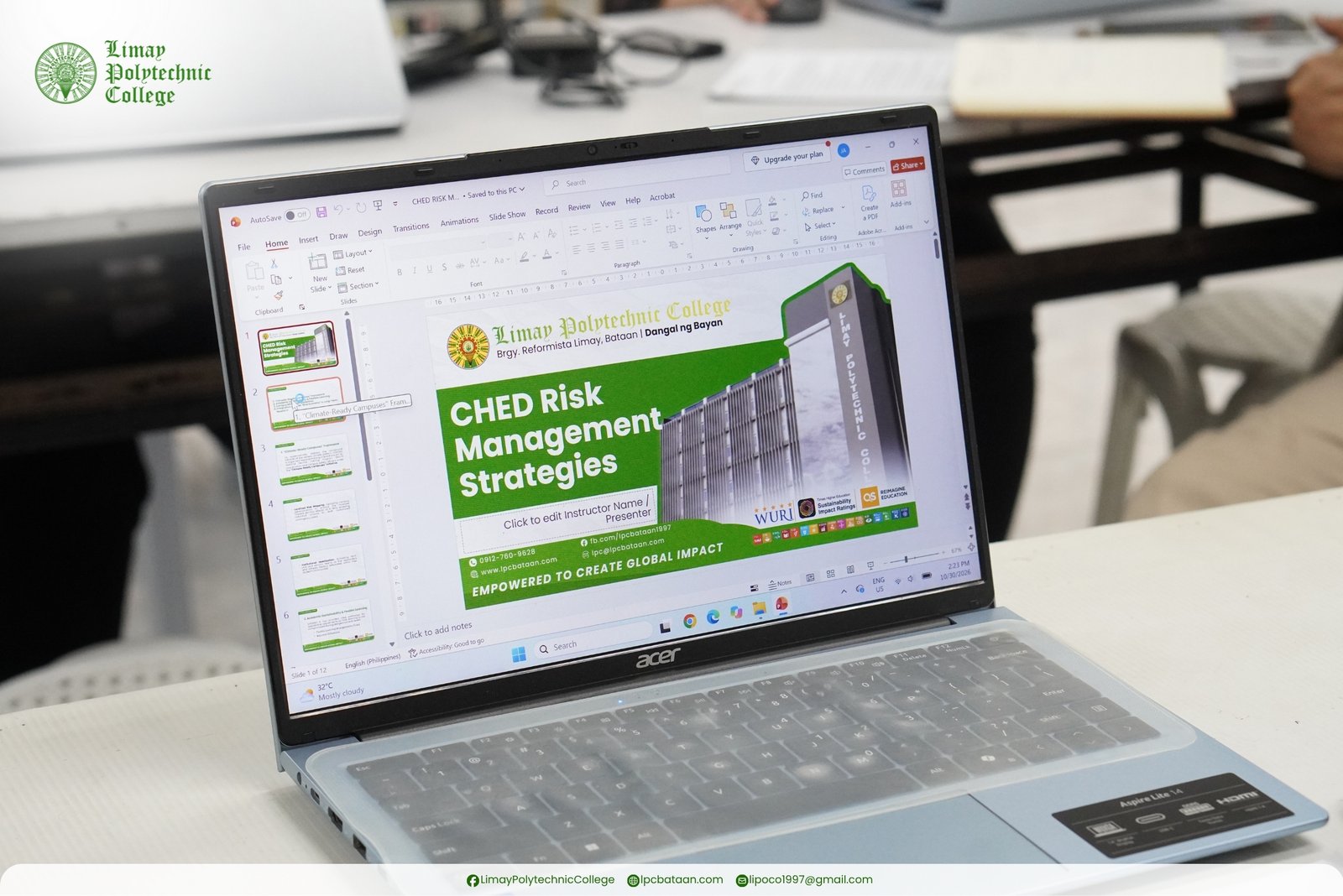
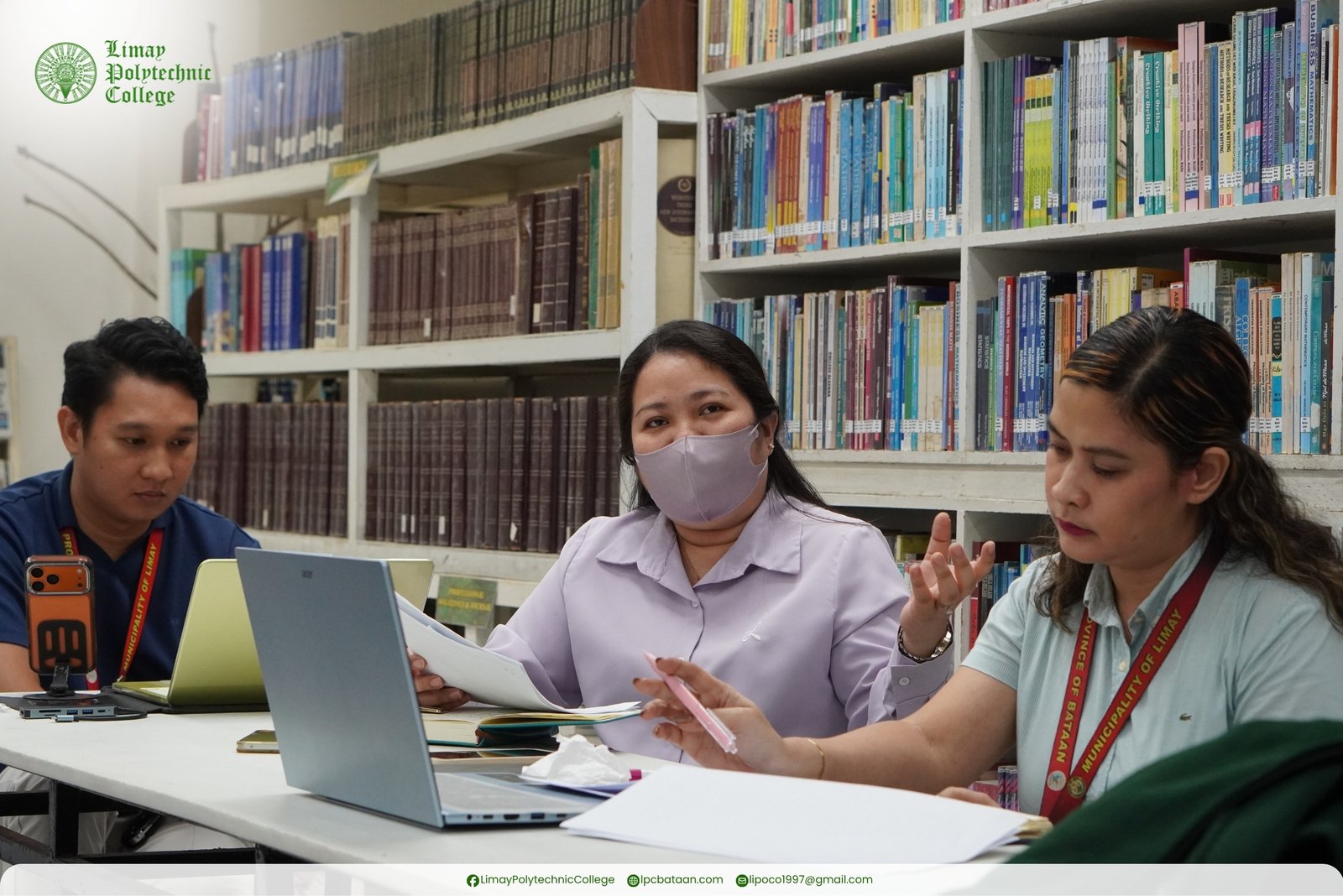
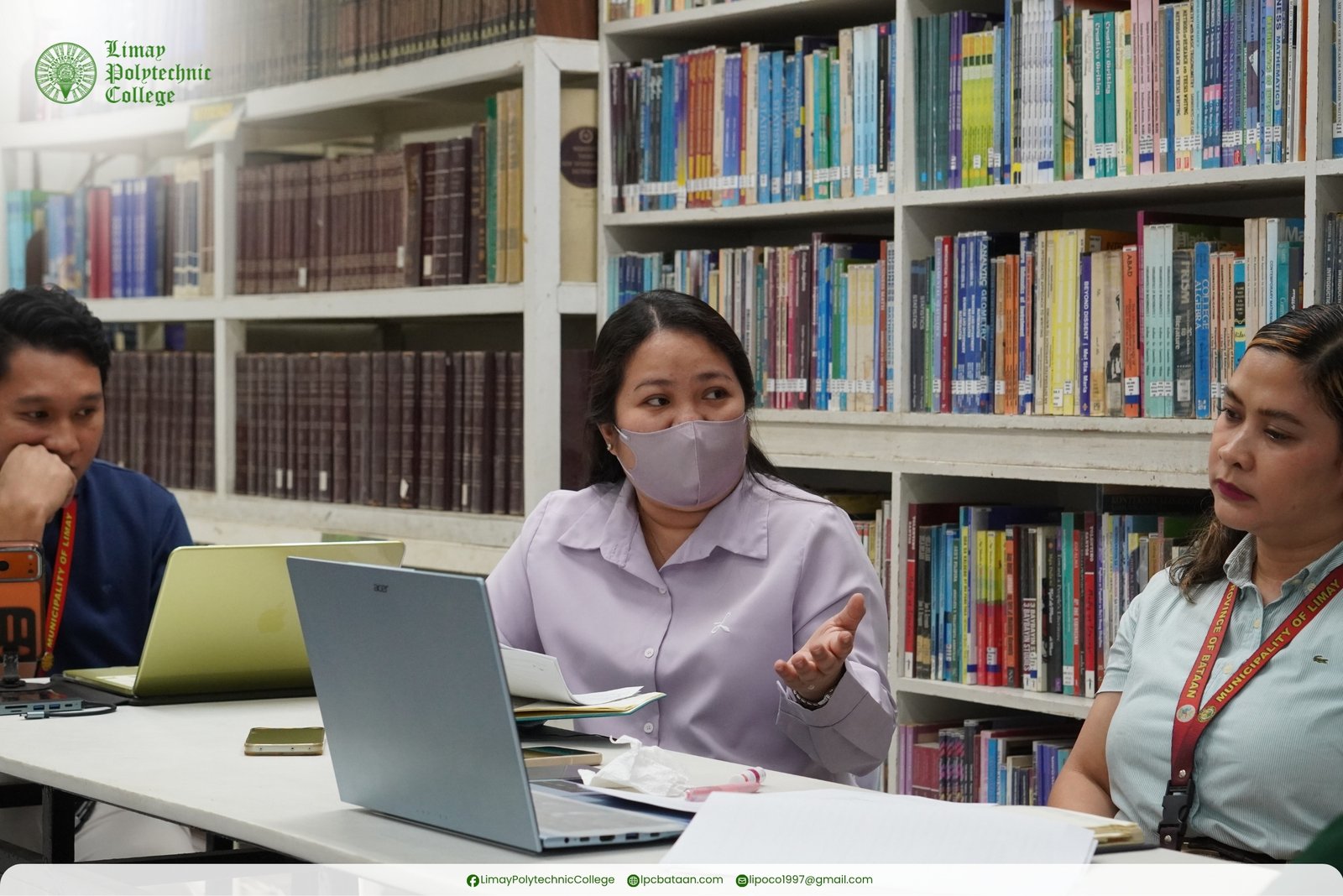
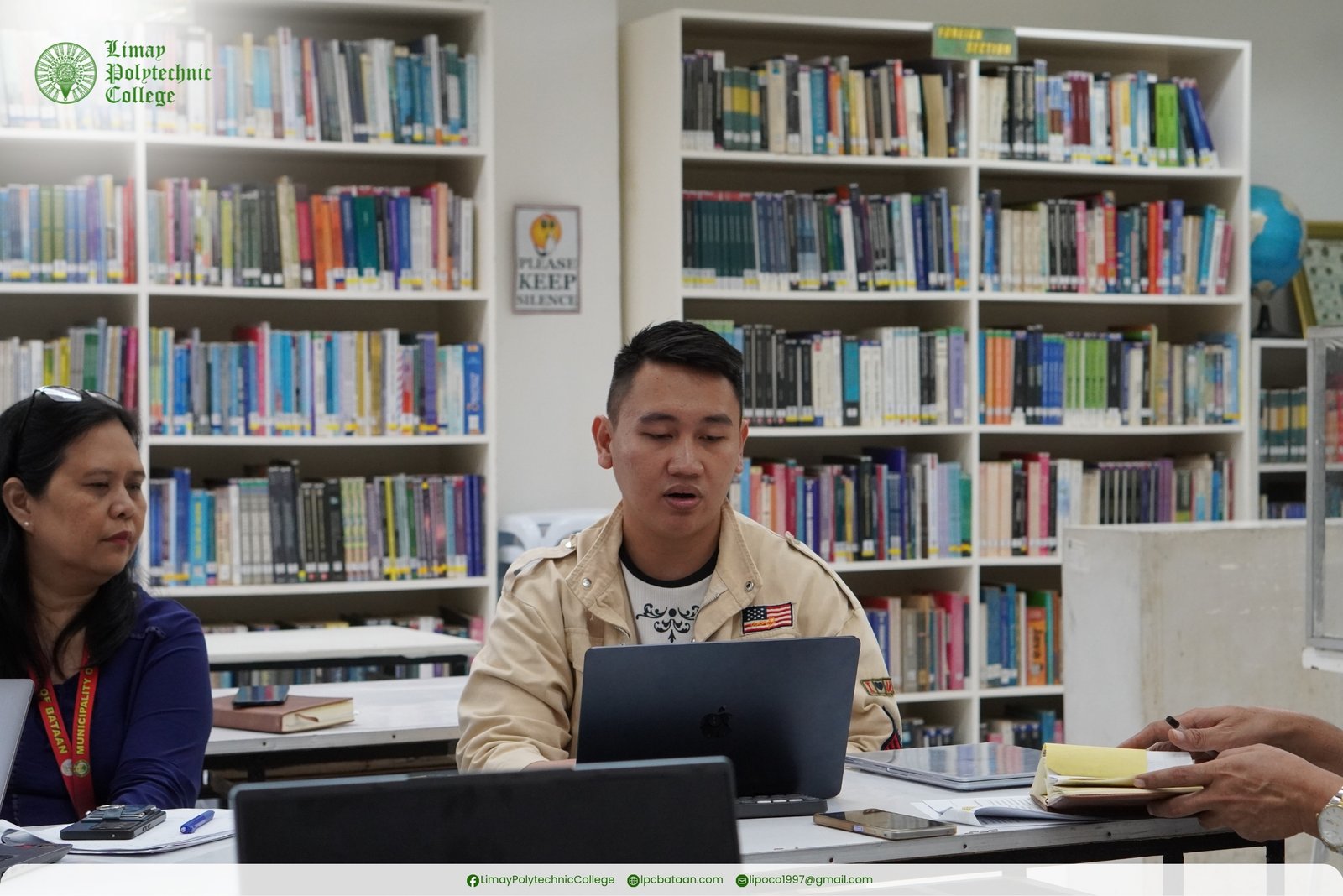
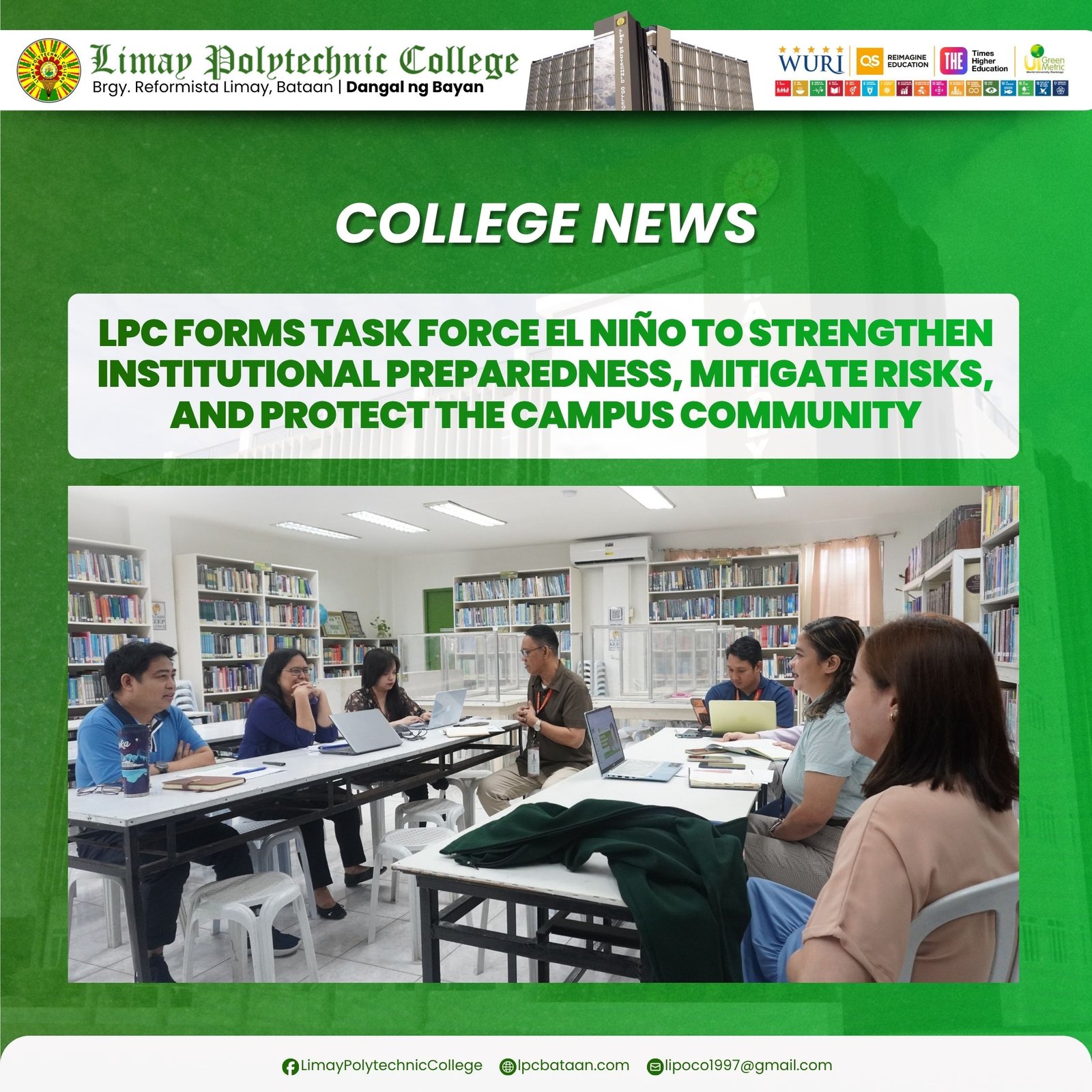
College President Dr. Elmer B. De Leon convened the Task Force for its initial planning and consultation meeting, where members presented research-based information, assessed institutional vulnerabilities, and proposed mitigation strategies to protect students, faculty, personnel, and campus operations.
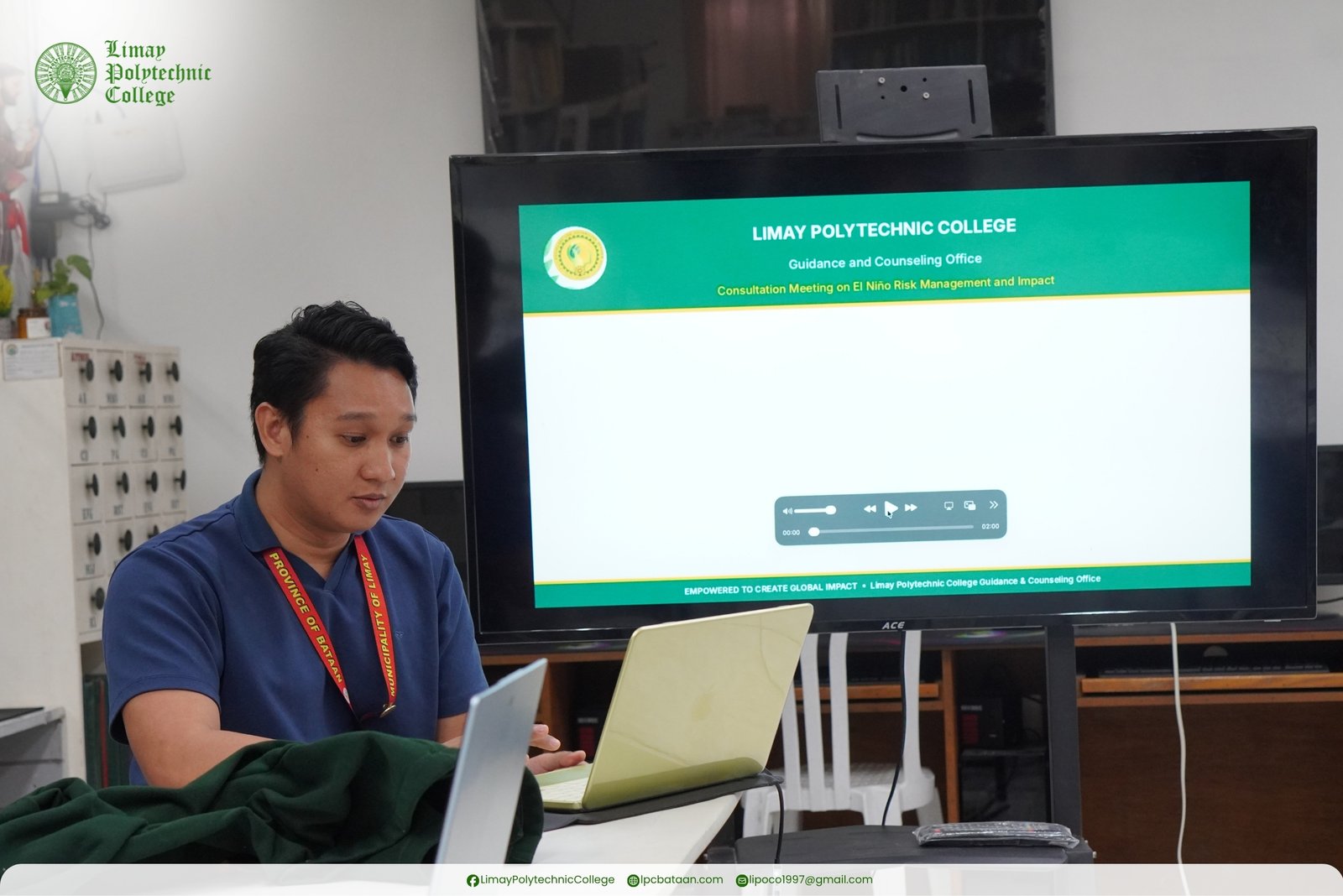
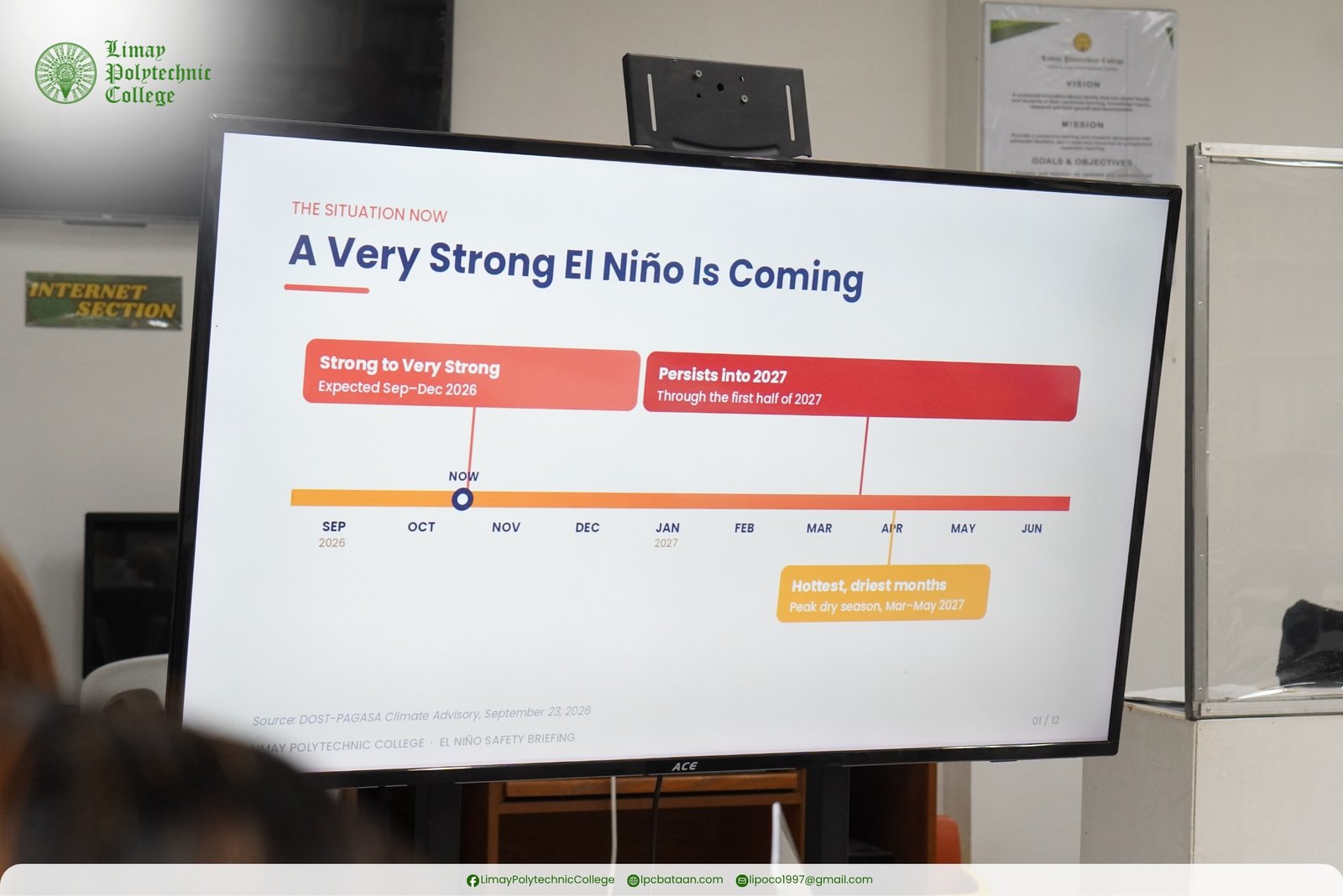
Mr. Ariel Vibar, designated Task Force Lead, opened the consultation by introducing the El Niño phenomenon, its potential risks, and its wider implications, based on the preparatory inputs of Ms. Rodalie Dineros, Head of the Healthy Learning Institution Program, who was unable to attend due to an important family commitment.
He also presented the prevailing conditions in Limay, including local preparedness measures and municipal coping strategies.
Meanwhile, Ms. Julie Diaz, Community Development Coordinator and lead of the Dangal Green Campus Revolution Program, shared her recently attended CHED Climate Change Forum learning perspectives and recommended mitigation approaches under its El Niño preparedness framework.
Multisectoral Assessment of Institutional Risks
The meeting proceeded with presentations from Task Force members, who examined possible impacts within their respective areas of responsibility and proposed corresponding interventions.
Ms. April Cruz, Director of Academic Affairs, discussed possible implications for academic operations and teaching-learning continuity, including alternative instructional delivery.
Dr. John Levy Rueda, Head of Business and Accountancy Education, presented concerns involving faculty and staff preparedness and welfare on the occurrence of El Nino, especially those vulnerable and elderly members.
Ms. Cheyser Charrese Gatchula, Head of Information Technology Education, discussed campus readiness, technology utilization, and employee and student mobility concerns as implicated by said crisis.
Ms. Jesica Marata, Officer of Student Affairs, Discipline, and Services, addressed its impact on student activities, institutional representations, and off-campus engagements.
Mr. Ariel Vibar, Task Force Lead, presented concerns involving campus facilities, utilities, and energy supply when the phenomenon begins to strike.
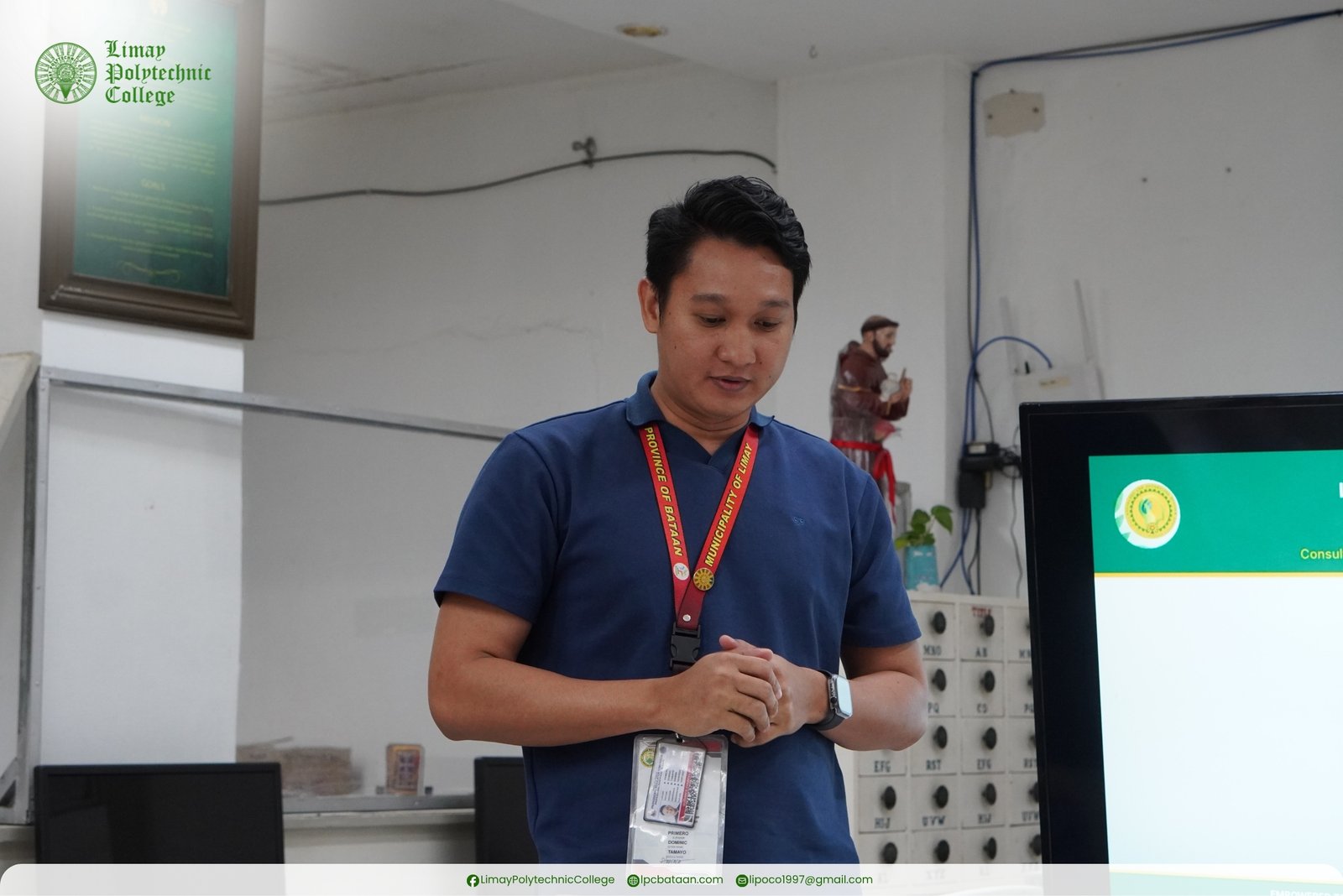
Mr. Dominic Primero, Guidance Counselor, discussed students' psychosocial and mental wellness conditions and the need for sustained support mechanisms amid the occurrence of the phenomenon.
Ms. Edlyn Grace I. Rubio, College Nurse, presented employee and student health considerations, possible health effects caused by El Nino, and practical individual and institutional interventions.
Following the presentations, Dr. De Leon consolidated the proposed strategies into major areas of concern, such as academic continuity, student affairs and engagement, health and wellness, facilities and energy management, individual welfare and mobility, and environmental sustainability.
Proposed Mitigation and Institutional Preparedness Measures
In the academic sector, LPC will strengthen faculty capacity for hybrid and flexible learning through contextualized instructional materials, alternative assessment approaches, modular learning arrangements, and the use of offline Learning Management System (LMS) capabilities. E-books and other digital resources accessible through the Library Kiosk in the institutional website will also be maximized to support learning continuity when physical attendance becomes difficult.
For student activities and external engagements, the College will consider reducing or postponing selected on-site activities and off-campus participation when conditions warrant, while maximizing online programs and virtual engagement to protect students and sustain institutional participation.
For psychosocial and mental wellness support, the development and enhancement of the NOAH System, an online wellness and counseling platform, will be pursued to provide more accessible digital support services, particularly during periods when mobility and face-to-face consultations may be limited.
In health services, the College will strengthen the updating and maintenance of student and employee health records, conduct regular health assessments and follow-ups, and prepare essential emergency equipment and supplies.
These include nebulizers, blue-light devices, air purifiers, and necessary medicines. Additional training in first aid, emergency response, and proper handling and referral of patients to the Rural Health Unit (RHU) will likewise be considered.
For faculty and staff, work-from-home arrangements may be implemented when necessary, supported by digital monitoring, supervision, and accomplishment-tracking systems to ensure continuity of operations and productivity despite mobility restrictions to be launched soon.
At the institutional level, proposed interventions include solarization, strengthened energy conservation policies, securing free potable water, improved waste segregation and recycling systems, tree planting, campus gardening, and intensified environmental awareness campaigns under the Dangal Green Campus Revolution. Researches may also focus on climate change green campus solutions, crisis management, risk reduction and mitigation strategies, including resiliency framework.
Assessing Resources and Anticipating Threats
Dr. De Leon also encouraged the Team to examine existing institutional resources as potential advantages in managing the phenomenon.
The availability of air-conditioned classrooms and facilities, together with the College's substantial water reservoir tank, may help support campus operations during periods of extreme heat and water-related concerns, subject to actual operating conditions and resource availability.
However, he emphasized that these advantages should not lead to complacency. Potential threats, particularly frequent power interruptions or brownouts, require immediate attention and appropriate contingency measures to ensure the continuity of academic and administrative operations.
The President underscored the importance of proactive planning, coordinated implementation, and collective responsibility in protecting the campus community against climate-related risks.
“Prevention is better than cure. However, when an occurrence cannot be controlled, preparedness is the next best thing,” Dr. De Leon emphasized.
“Together, we can overcome this climate change crisis through earnest cooperation, proactive urgency, and resilience,” he added, while commending the Task Force members for their research-based inputs, active participation, and practical recommendations.
Institutionalizing Crisis Management and Risk Reduction
As a concrete next step, Dr. De Leon directed Mr. Vibar, as Task Force Lead, to prepare a comprehensive Crisis Management and Risk Reduction Framework, together with a proposed institutional policy paper addressing El Niño preparedness and related climate and emergency risks.
The proposed framework will be circulated among Task Force members for review and refinement before being elevated to the Academic Council and Board of Trustees for appropriate deliberation and approval.
The Clinic, the Dangal Green Campus Revolution Team, Envirocare Advocacy Society and Media Communication and Public Information Office shall create necessary pluggings for posting online, information on bulletin boards, and brochures, while video clips of lecture and talks or podcast on this area may also help in disseminating awareness and educating everyone in the campus.
This aspect will also form part of the Midyear Employees Capacity Building Program to involve all employees concerned.
Through the establishment of Task Force El Niño, LPC reinforces its commitment to a safe, healthy, climate-resilient, and continuity-ready learning institution.
Beyond responding to an anticipated environmental challenge, the initiative reflects the College's determination to institutionalize preparedness, protect human welfare, and sustain quality education under changing and uncertain conditions. #
#SDG3GoodHealthAndWellbeing
#SDG4QualityEducation
#SDG12ResponsibleConsumptionAndProduction
#SDG13ClimateAction