Tap to View
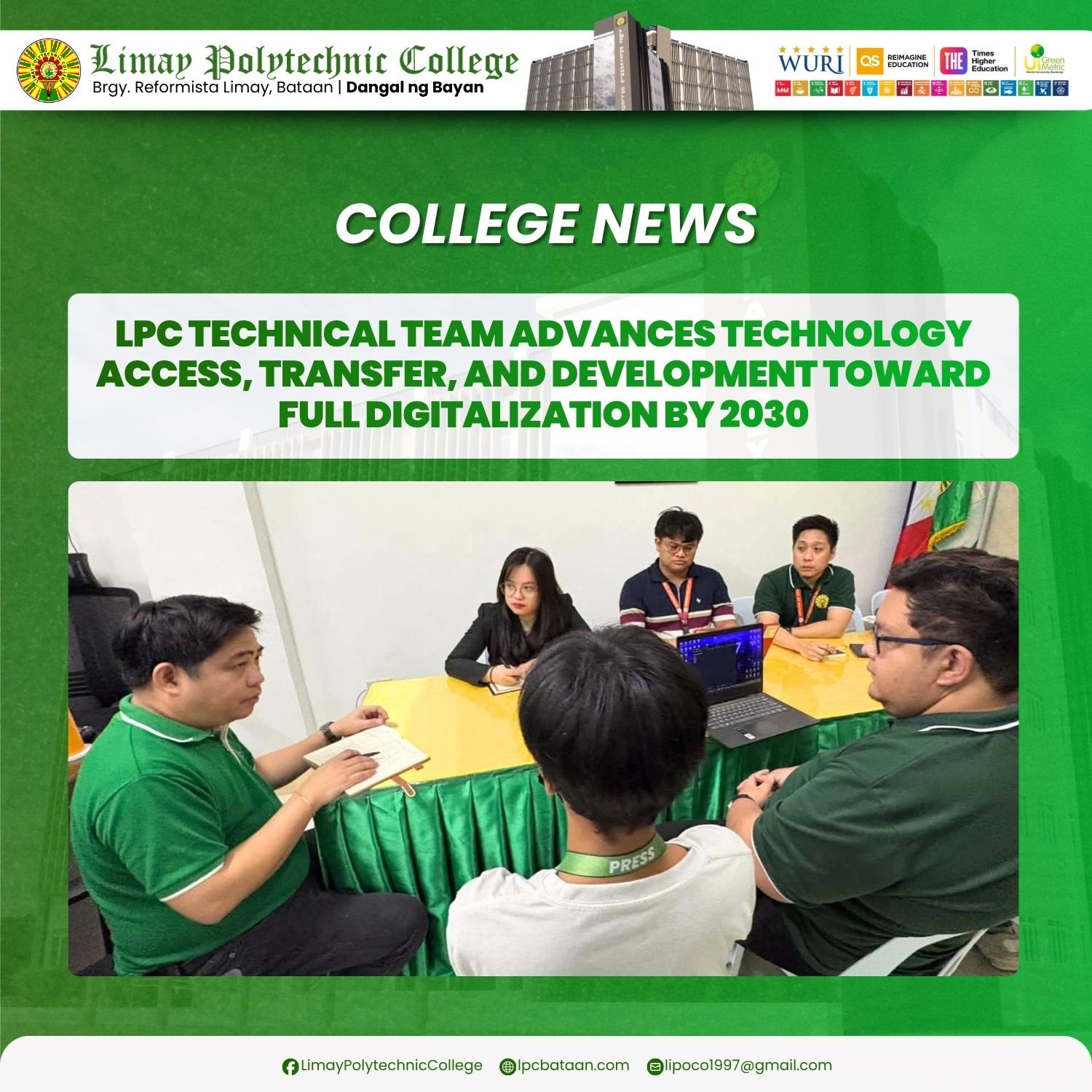
𝗖𝗢𝗟𝗟𝗘𝗚𝗘 𝗡𝗘𝗪𝗦 | LPC Technical Team advances Technology Access, Transfer, and Development toward Full Digitalization by 2030
Date Posted: Oct. 24, 2026
Limay Polytechnic College (LPC) is accelerating its digital transformation toward achieving 100% digitalization by 2030, with emphasis on operational efficiency, reduced time, effort and material waste, paperless transactions, timely regulatory compliance, and quality, relevant, and technology-enabled teaching and learning.
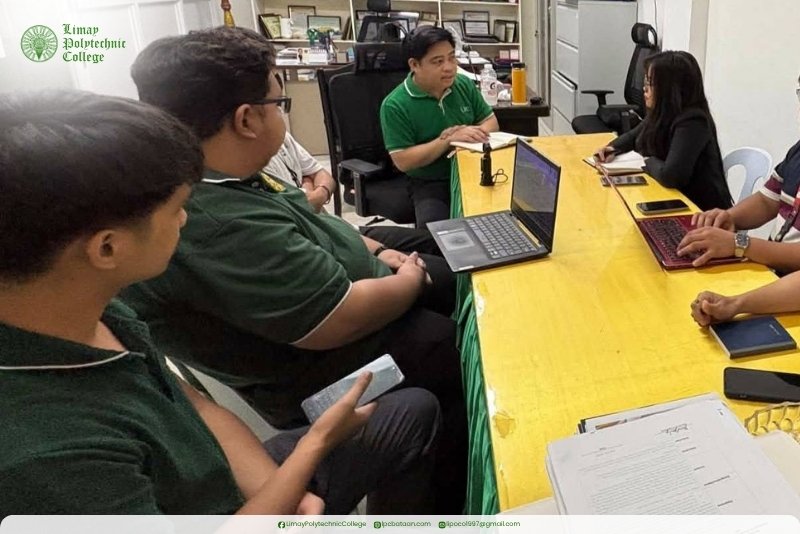
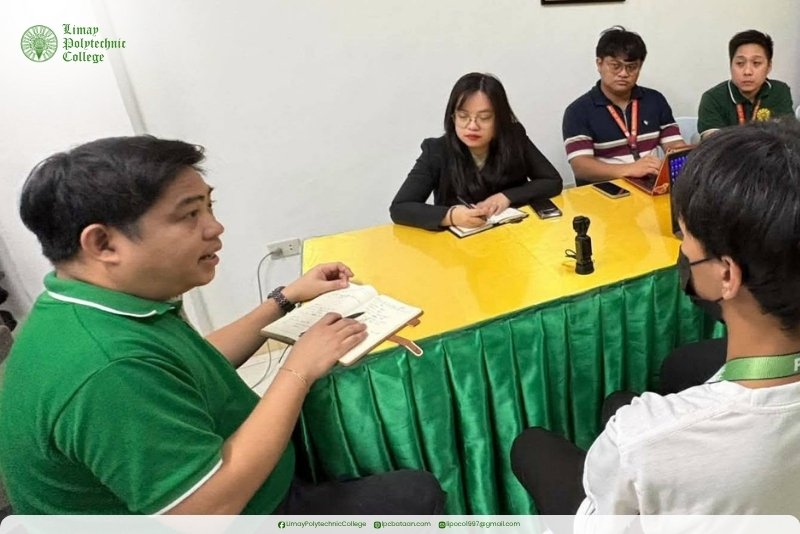
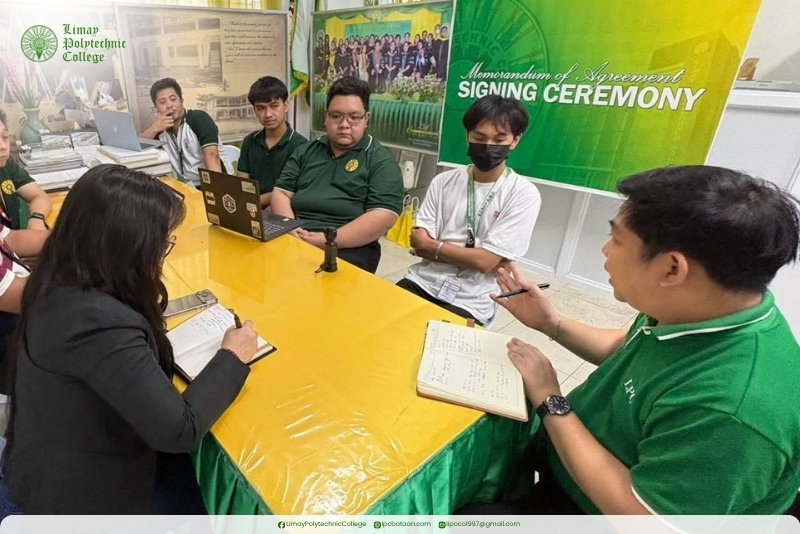
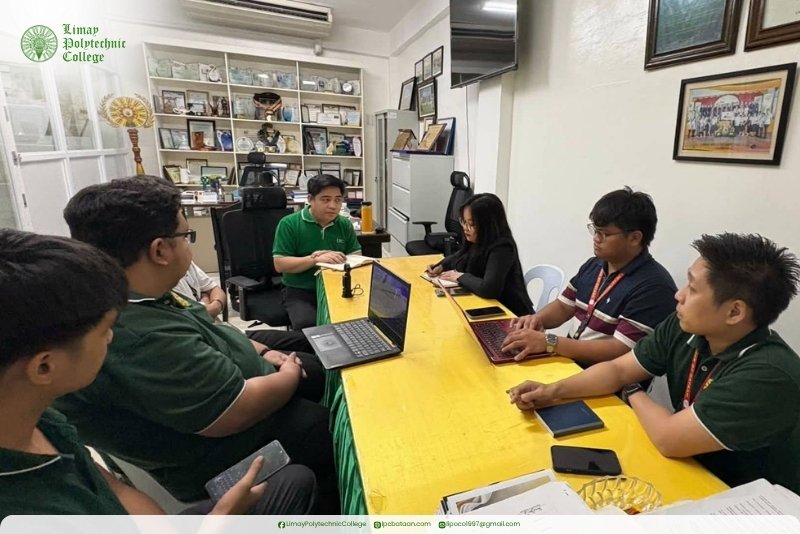
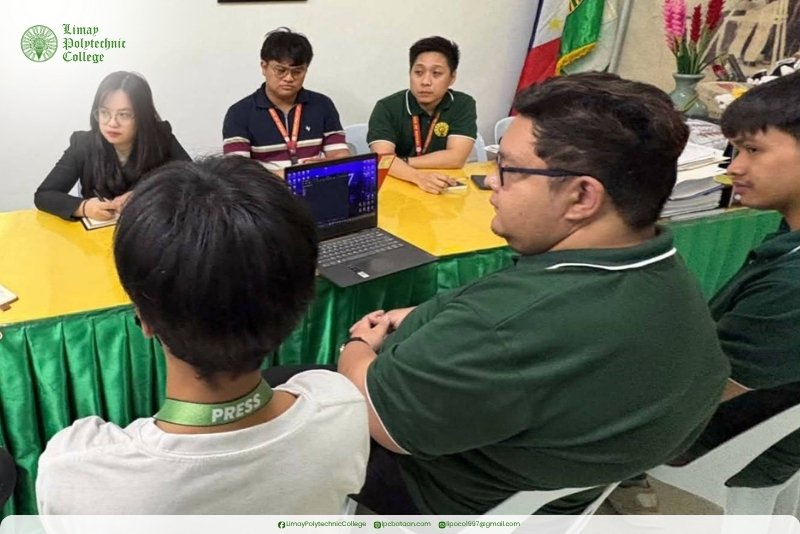
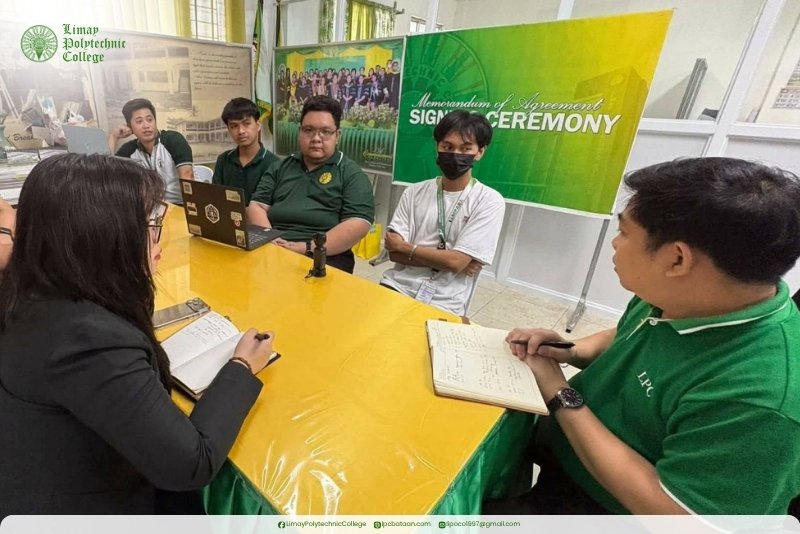
To strengthen this institutional commitment, College President Dr. Elmer B. De Leon convened the Technical Team on October 21, 2026, at the Office of the College President to review current digitalization initiatives, assess implementation challenges, and establish strategic directions toward a fully integrated digital ecosystem.
Five Strategic Directions for Digital Transformation
Dr. De Leon challenged the team to align its initiatives with five major institutional priorities:
(1) Technology Creation and Management — developing, adopting, maintaining, and managing digital systems that support institutional operations.
(2) Academic Integration — embedding technology in teaching, learning, assessment, and academic management.
(3) Research, Extension, Services, and Operations Management and Utilization — maximizing technology to improve productivity, service delivery, research, and community engagement.
(4) Digital Communication and Information Dissemination — strengthening official digital platforms, public information, and stakeholder communication.
(5) Digital Document Archiving, Automated Data Management, and Transmission — ensuring organized records, efficient information processing, and timely data submission to regulatory and partner agencies.
These priorities reinforce LPC’s direction toward a more responsive, technology-driven, and future-ready local college.
Existing Systems and Digital Innovations
During the meeting, the Technical Team presented the status of existing systems and ongoing digital initiatives.
Mr. Jester Guillermo, Management Information System (MIS) Officer, reported the completion of his institutionally outsourced, multifunctional academic management system integrating key processes, including admissions, class scheduling, faculty loading, student profiling, enrollment data generation, grade transmittal through portals, and credentialing through transcript-of-record processing and transmission. The integrated platform is designed to streamline academic transactions and support the purposeful generation and use of institutional data. An official soft launch of the system along other systems and e-books and online material procurement.
Complementing this system are various digital tools developed and enhanced by Ms. Cheyser Charrese Gatchula, Head of Information Technology Education (ITE).
These include the Learning Management System (LMS), electronic modules, automated attendance monitoring, submission tracking, document transmission, financial management, inventory management, UniFAST fund tracking, roving monitoring, and faculty evaluation system.
She is also completing the offline class monitoring and work-from-home monitoring systems to support operational continuity under different work arrangements as a demand of time considering abrupt class disruptions brought by climate change, national advisories and disaster emergencies.
Meanwhile, Mr. Christian Bautista, Technical Staff, has initiated the digital archiving of institutional documents and is preparing for the development of data management dashboards, with the assistance of student practicumers working with him.
Mr. John Rudolph Barbin highlighted the continuing implementation of LPC’s institutional brand standards across official digital publications and information materials. This initiative complements the maintenance of the College’s official Facebook page and interactive website while sustaining the relevance of its print-based communication materials.
Faculty and Student Contributions to Technology Development
To expand technology creation and utilization, Dr. De Leon directed ITE faculty members to contribute at least one mini-system per semester for institutional operations, as part of their extension and production accomplishments, subject to applicable institutional policies and standards.
He also emphasized that students’ capstone projects should extend beyond academic requirements and generate practical solutions for communities, local government units, and partner agencies.
Accordingly, completed student-developed systems may be presented and endorsed to intended beneficiaries for adoption and utilization.
As an example, students under Mr. Joseph Valerio, faculty member of the Associate in Computer Technology (ACT) program, have focused on developing a barangay data management system and online materials and a website for municipal tourism promotion. These outputs are scheduled for formal launching and turnover to their respective beneficiaries through a ceremonial program upon subjecting for and passing the alpha testing and technology evaluation by the Panel of Technology Experts.
Through these initiatives, LPC seeks to strengthen the practical application of technology, promote community-based innovation, and establish stronger linkages between academic outputs and local development needs.
Addressing Digitalization Challenges
The Technical Team identified five major concerns that could affect the successful implementation and sustainability of the College’s digitalization agenda that include: (1) Sustaining strong and reliable internet bandwidth; (2) Enhancing the technology competencies of employees; (3) Addressing gaps in digital resources and equipment; (4) Establishing a consistent culture of technology utilization and integration; and (5)
Managing technical glitches, data security, system continuity, and the proper turnover of systems when personnel changes occur.
In response, the College President presented ongoing initiatives and proposed interventions to address these concerns.
Stronger Internet Connectivity and Wider Access
LPC has restored stronger Wi-Fi bandwidth through coordination with the Office of the Municipal Management Information System, headed by Mr. Edgar Alegre, with the approval of Hon. Mayor Richie Jason David.
Five new independent routers are being installed to strengthen connectivity across key service and learning areas: the Office of the College President, Department Heads, and Quality Assurance Office; the Library and Technology Hub; faculty areas, nearby classrooms, and the Audio-Visual Room; the Registrar’s Office and adjunct offices; and other servicing and student organization offices.
Strengthening Connectivity, Digital Resources, and Institutional Efficiency
With the full implementation of its digitalization initiatives, LPC anticipates faster, easier, and more efficient transmission of required data and reports to the Commission on Higher Education (CHED), UniFAST, the Professional Regulation Commission–Continuing Professional Development (PRC-CPD), and other regulatory and partner agencies. These improvements are also expected to facilitate UniFAST billing submissions, accomplishment reporting, and other compliance requirements.
During the discussion, the Technical Team identified five major concerns requiring immediate and sustained intervention: (1) reliable and continuous internet connectivity; (2) employees’ technology competencies; (3) gaps in digital resources and equipment; (4) consistent technology utilization and the development of a digital work culture; and (5) technical glitches, data security, backup mechanisms, and system turnover issues arising from untimely or improper personnel transitions.
In response, Dr. De Leon presented several ongoing initiatives designed to address these challenges and accelerate the College’s digital transformation.
Improving Internet Connectivity and Access
LPC has restored stronger Wi-Fi bandwidth through the assistance of the Office of the Municipal Management Information System, headed by Mr. Edgar Alegre, with the approval of Hon. Mayor Richie Jason David. Five new independent routers are being installed to improve connectivity across strategic campus locations, namely: the Office of the College President, Department Heads, and Quality Assurance Office; the Library and Technology Hub; faculty areas, nearby classrooms, and the Audio-Visual Room; the Registrar’s Office and adjunct offices; and other servicing offices and student organization areas.
The College also anticipates the full provision of DICT-supported free Wi-Fi access for students to widen connectivity and strengthen equitable access to digital learning resources.
Developing Technology Competencies
Faculty and staff will undergo technology capability-building activities, while selected personnel may participate in short-term technology courses offered by the University of the Philippines Open University (UP-OU).
A technology skills needs assessment will likewise be conducted to identify competency gaps and determine appropriate training interventions.
This initiative recognizes that successful digitalization requires not only reliable infrastructure but also personnel who can effectively use, manage, and sustain the systems introduced across the institution.
Prioritizing Digital Equipment and Academic Resources
The procurement of digital devices and equipment has been identified as a current budget priority.
Essential equipment for public information, publication, documentation, and data management has already been purchased, together with library e-books and online learning resources.
Research and academic tools have also been approved and are undergoing canvassing from prospective providers. Their proposals will be presented to the Technical Team for evaluation and recommendation.
A provider has likewise conducted a presentation on Smart Board equipment intended to support hybrid learning.
Meanwhile, subscriptions for expanded Zoom services, academic assessment system, and domain services are being processed.
An additional Technology Hub is now being procured to support the forthcoming four-year Bachelor of Science in Information Systems (BSIS) program, envisioned as a ladderized pathway from the Associate in Computer Technology program.
Computer units in various offices will also be upgraded to improve processing capacity and the efficiency of frontline and administrative services.
Institutionalizing Digital Utilization and Accountability
LPC will formulate a policy on technology utilization and integration for deliberation by the Academic Council and appropriate approval by the Board of Trustees.
The proposed policy will establish technology-related contributions and utilization as institutional performance expectations, supported by regular monitoring, progress reporting, and appropriate performance evaluation mechanisms.
To ensure system reliability and protect institutional investments, regular inspection, monitoring, maintenance, and upgrading will be institutionalized, together with robust back-up and recovery mechanisms.
Critical digital systems should have at least three authorized administrators or controllers, as appropriate, to safeguard data, ensure continuity of operations, and maintain the availability of digitally archived records, developed systems, and curated institutional materials.
Proper documentation, access controls, and turnover procedures will also be necessary to minimize disruption when personnel assignments change.
The official LPC website is currently undergoing upgrading to incorporate portals and functionalities needed for internationalization initiatives, world-ranking participation, and regulatory compliance.
Planned enhancements include dashboards for institutional data and records, subject to applicable data privacy policies, security controls, and access procedures controlled by the school's Data Privacy Officer.
Dr. De Leon further reiterated that institutional digital systems shall be managed and controlled by the Management Information System (MIS), while technical gadgets and equipment shall be inventoried by the Technical Personnel in coordination with the Supply and Inventory Officer.
This arrangement is intended to strengthen accountability, proper asset management, system continuity, and the responsible use of institutional resources.
A Shared Commitment to Digital Transformation
Taken together, these initiatives are expected to strengthen LPC’s data management, teaching-learning processes, administrative operations, and regulatory responsiveness.
More importantly, they establish the foundation for a sustainable digital culture in which technology is consistently utilized to improve institutional performance and service delivery.
“Lubos akong naniniwala sa inyong kakayahan na higit sa mga kagamitan. Kayo ang tunay na nasa likod ng tagumpay ng ating digitalization desire. Sa sama-sama nating pagpupunyagi ay makakamit natin ang ating minimithi,” Dr. De Leon expressed, inspiring the team to sustain its commitment to innovation and institutional progress.
He also commended the team for developing systems that contribute to institutional advancement and innovation, while potentially reducing recurring subscription expenses and the need to procure externally developed products.
The Management Team affirmed its commitment and support for LPC’s goal of achieving a fully digitalized institutional system by 2030.
The Technical Team is composed of the Head of Information Technology Education (ITE) as Chairperson; the Management Information System (MIS) Officer as Vice Chairperson; and members representing Technology Faculty, Media Communication and Public Information, and Technical Personnel.
#SDG4QualityEducation