Tap to View
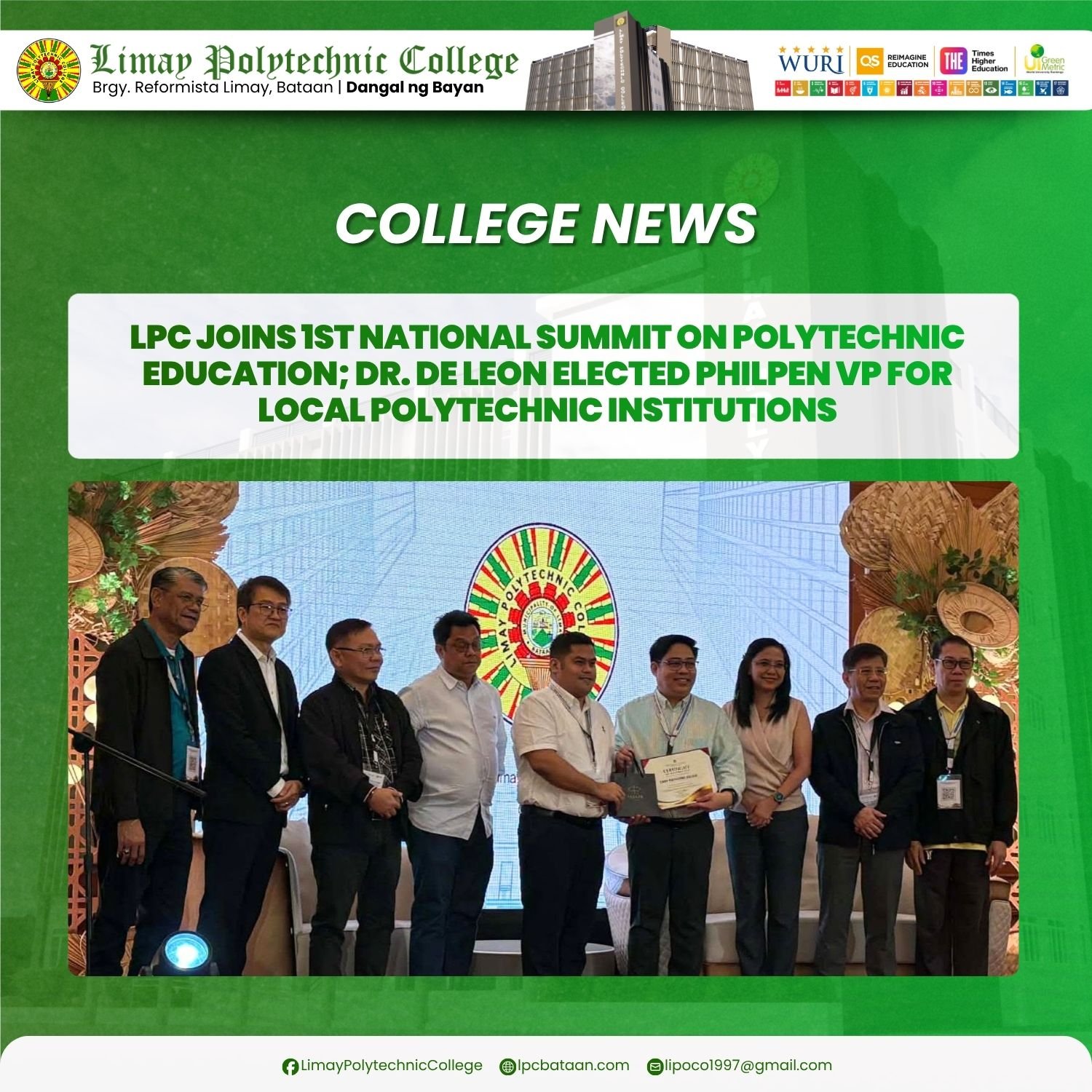
𝗖𝗢𝗟𝗟𝗘𝗚𝗘 𝗡𝗘𝗪𝗦 | LPC joins 1st National Summit on Polytechnic Education; Dr. De Leon elected PhilPEN VP for Local Polytechnic Institutions
Date Posted: Oct. 18, 2026
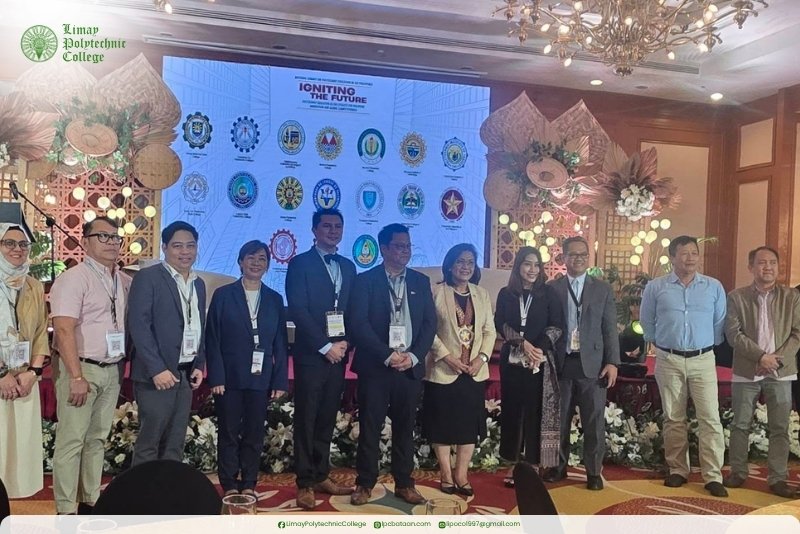
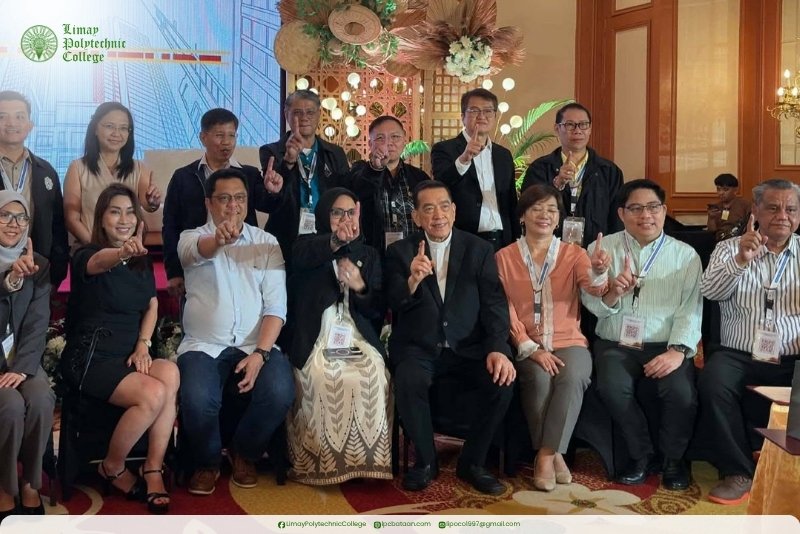
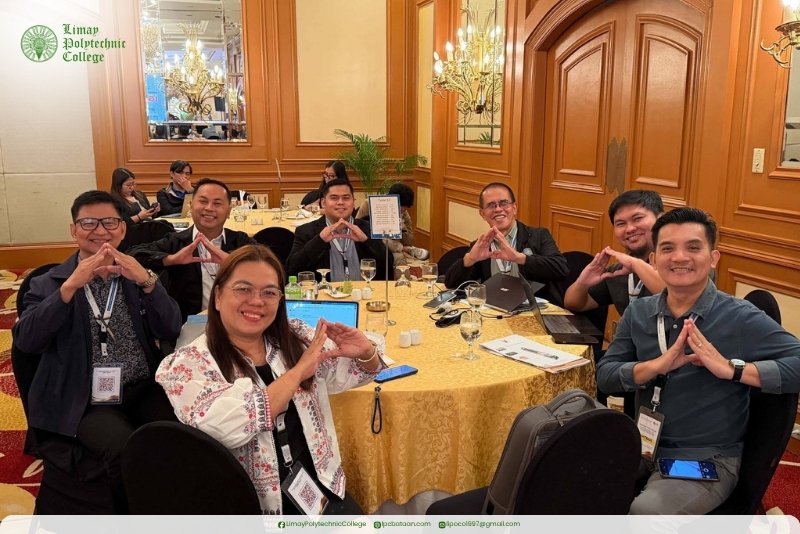
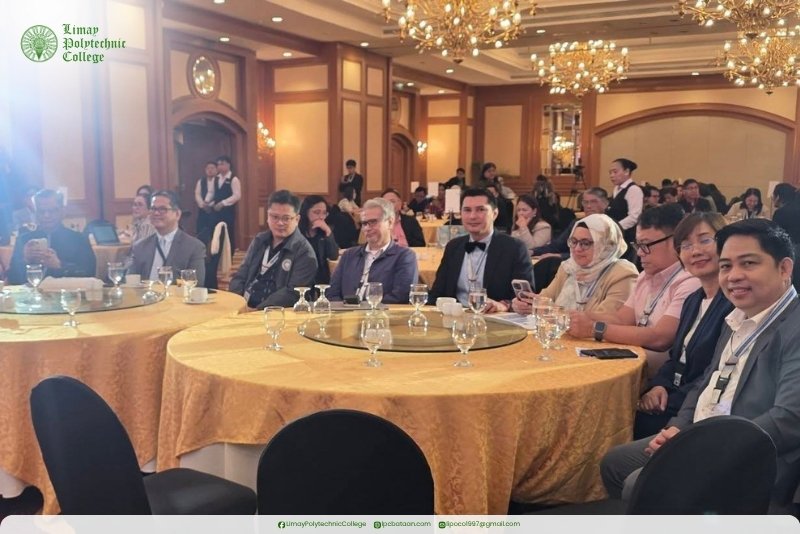
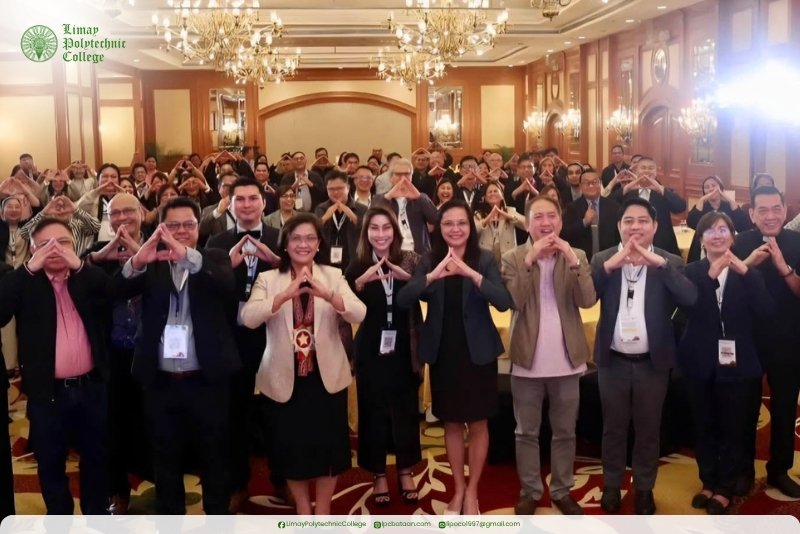
Limay Polytechnic College (LPC) joined 16 polytechnic institutions from across Luzon, Visayas, and Mindanao in the National Summit on Polytechnic Education in the Philippines, initiated and led by the Polytechnic University of the Philippines (PUP) on October 14–16, 2026, at The Heritage Hotel Manila in Pasay City.
A significant milestone for LPC was its election as Vice President for Local Polytechnic Institutions of the newly established Philippine Polytechnic Education Network (PhilPEN), affirming the College’s emerging role in shaping a unified national direction for polytechnic education and strengthening collaboration among institutions serving diverse communities across the country.
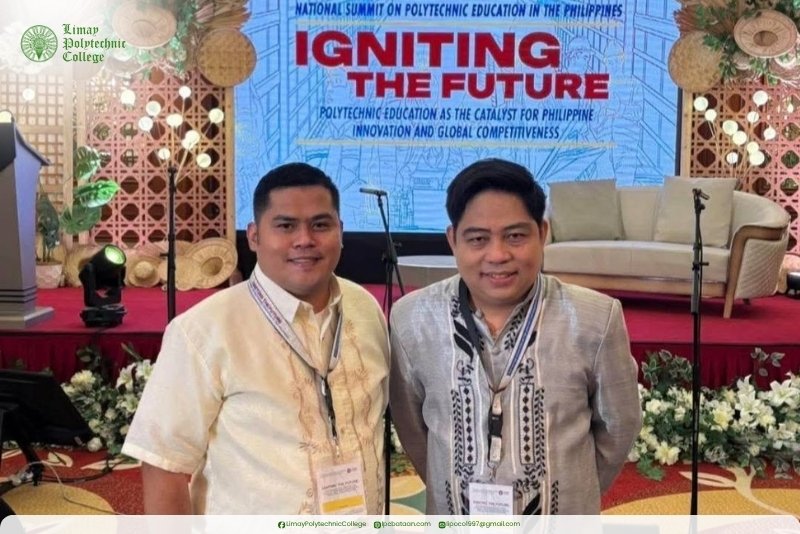
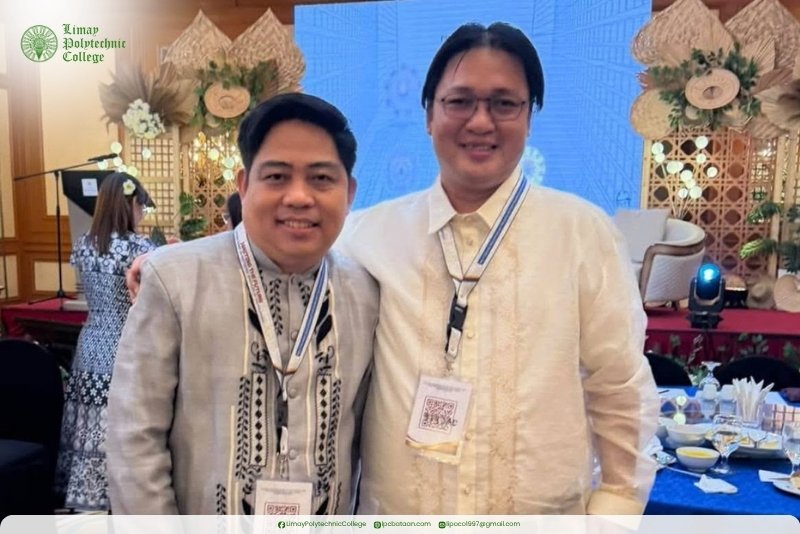
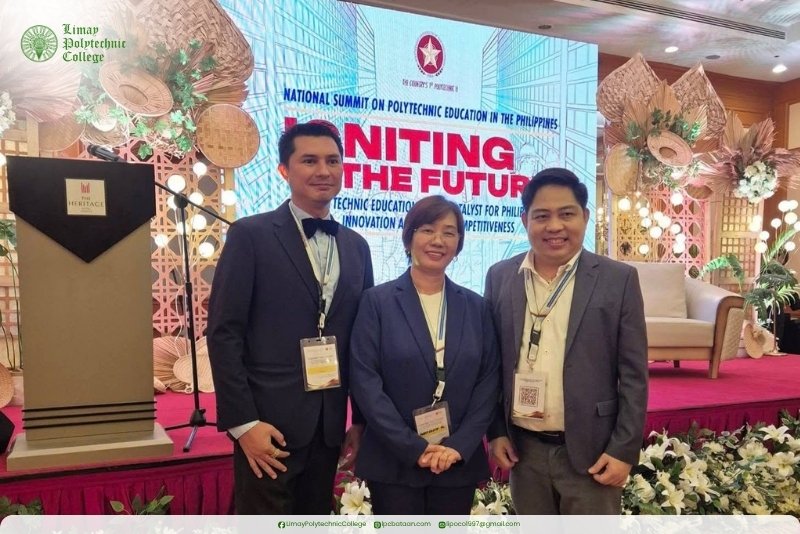
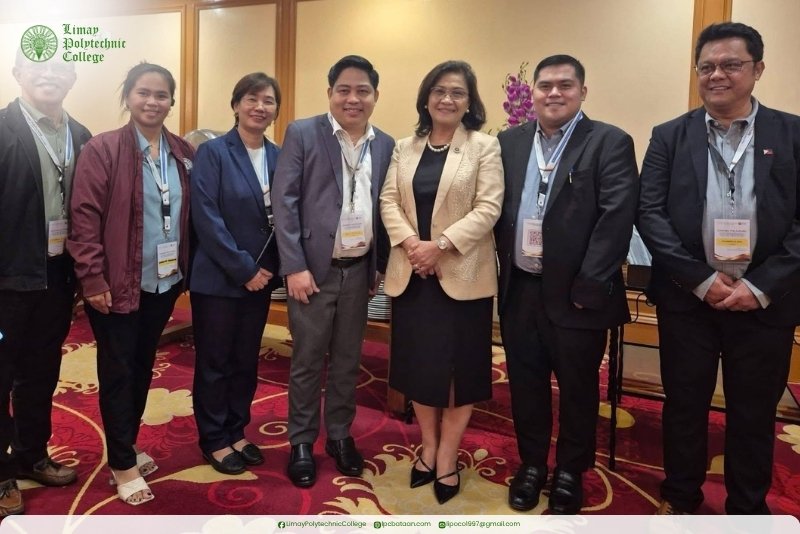
Representing LPC were College President Dr. Elmer B. De Leon and Mr. Mark Anthony Banda, QUALITY Officer and Deputy Director for Internationalization.
The three-day summit sought to redefine the concept and identity of polytechnic institutions in the Philippine higher education landscape, develop a national Polytechnic Education Framework, and establish PhilPEN as a collaborative platform for advancing quality, industry-responsive, innovation-driven, and internationally aligned polytechnic education.
PUP Main and its campuses and branches and the other 16 invited polytechnic institutions were envisioned as pioneer members, including LPC.
Day 1: Establishing a Shared Vision for Polytechnic Education
The summit opened with a welcome message from Dr. Manuel M. Muhi, PUP President, followed by the statement of purpose delivered by Dr. Anna Ruby P. Gapasin, Chair of the Polytechnic Education Summit and PUP Vice President for Research, Extension, and Development.
The gathering was further highlighted by the message of Hon. Jose Francisco Benitez, Director General of the Technical Education and Skills Development Authority (TESDA).
Messages of support were also conveyed through recorded video presentations by HE President Ferdinand R. Marcos Jr.; Senate President Sherwin T. Gatchalian; Senator Emmanuel Joel J. Villanueva, Chair of the Senate Committee on Higher and Technical Education; and Representative Jude A. Acidre, Chair of the House Committee on Higher and Technical Education.
The plenary sessions established the intellectual and policy foundations of the proposed polytechnic framework through discussions on global and ASEAN models, qualifications alignment, educational philosophy, institutional governance, curriculum development, research, extension, and innovation.
Among the resource speakers were Dr. Ethel Agnes P. Valenzuela, President of Lapu-Lapu City International College and an ASEAN education specialist; Dr. Rafaelita Aldaba of the Philippine Qualifications Framework Secretariat; Fr. Onofre G. Inocencio Jr., President of the Technical-Vocational Schools Association; Dr. Muhi; Dr. Bert J. Tuga, President of Philippine Normal University; Dr. Gapasin; and Prof. Alberto C. Guillo, PUP Executive Vice President.
The discussions underscored the need to integrate academic learning with applied competencies, industry engagement, research, and innovation, while aligning institutional programs with national qualifications and international standards.
The first day concluded with a cultural and social dinner featuring performances by the PUP Dance Troupe, Chorale, and Rondalla, providing opportunities for fellowship and networking among participating institutional leaders and delegates.
Day 2: Learning from ASEAN Models and Building a Polytechnic Network
The second day focused on clarifying the proposed framework, examining comparative international practices, and identifying strategies for institutionalizing polytechnic education in the Philippines.
Hon. Shirley C. Agrupis delivered the keynote address on positioning polytechnic education as a catalyst for Philippine innovation and global competitiveness.
She commended the initiative to institutionalize and restructure polytechnic education and expressed her support for the formation of a national network that would provide a stronger platform for collaboration, policy development, and institutional advancement.
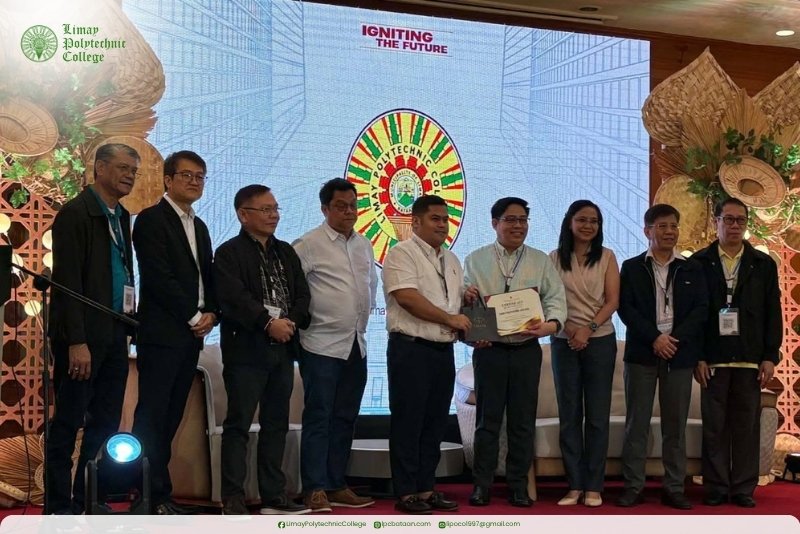
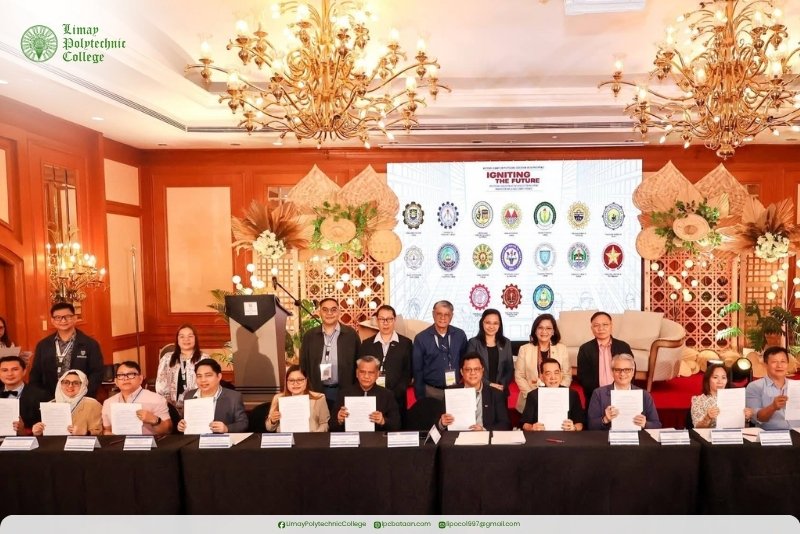
A major highlight was the ceremonial signing of commitments to the establishment of PhilPEN, marking a collective expression of support among participating institutions for a more coordinated and purposeful direction in polytechnic education.
The summit also featured presentations from invited ASEAN institutions and international resource persons, providing comparative perspectives on curriculum design, regional credit transfer, industry-integrated learning, applied research, innovation, faculty development, and mandatory industry immersion.
The resource speakers included Mr. Katayama, Education Specialist at UNESCO Jakarta; Dr. Lim Teng Leng, Director of International Relations at Temasek Polytechnic, Singapore; Dr. Nur Ilyani BT Idris, Dean at Poly-Tech Malaysia; Ms. Sandra Yap Dianggorobles, President of SSR Politeknik, Indonesia; and Mr. Setyoko Pramono, Deputy Director of Indonesia’s Ministry of Industry.
These presentations highlighted the value of competency-based education, stronger industry-academe partnerships, international mobility, regional credit recognition, and work-integrated learning in preparing graduates for evolving employment demands and cross-border professional opportunities.
Complementing the ASEAN perspectives, Hon. Romelen T. Tresvalles of the Department of Science and Technology–National Capital Region presented research and innovation priorities aligned with the ASEAN Polytechnic Education Framework (APEF), including performance monitoring through Scopus-indexed publications and citations.
Engr. Jerry Webb E. Muhi of Dual Technology also discussed work-integrated learning, including the design of programs aligned with APEF requirements and opportunities for regional internship exchanges.
Together, these discussions reinforced the importance of transforming polytechnic institutions into active contributors to national productivity, technological advancement, and regional competitiveness.
Day 3: Launching the Framework and Establishing PhilPEN Leadership
The final day marked a defining milestone with the official launching of the Polytechnic Education Framework for Philippine Higher Education, aligned with the ASEAN Polytechnic Education Framework. The initiative represents a significant step toward establishing a common reference for strengthening polytechnic identity, institutional standards, academic pathways, and industry-responsive educational outcomes in the Philippines.
Participating presidents and institutional representatives shared their reflections, insights, and commitments regarding the summit and the newly established network.
They expressed appreciation for PUP’s leadership in convening the national gathering and advancing a collective platform for cooperation among polytechnic institutions.
The discussions also conveyed a shared sense of optimism about the network’s potential to transform the country’s educational landscape.
Executive sessions among institutional presidents followed to discuss the network’s initial organizational arrangements, legal foundations, legislative considerations, and succeeding actions.
During these deliberations, the pioneer officers were elected, with PUP recognized as the proposed network president in view of its extensive polytechnic system and institutional experience.
A representative from one of its campuses was also designated for the secretariat to facilitate communication, documentation, coordination, and the preparation of necessary legal instruments.
Limay Polytechnic College was elected Vice President for Local Polytechnic Institutions, giving the institution a leadership role in representing the interests and distinctive circumstances of local higher education institutions within the national polytechnic movement.
The participating leaders likewise, agreed to classify membership according to institutional context rather than geographical grouping, recognizing the diverse governance structures, mandates, and operational environments of polytechnic institutions.
This approach is intended to promote more relevant representation and responsive collaboration across the network.
The next assembly is expected to be hosted by Marikina Polytechnic College in Marikina City, under the initiative of its president, Rene Colocar, to continue organizational discussions and advance the network’s action agenda. This may include the official signing of Memorandum of Understanding and Constitution and Bylaws of the Network, of which the draft is under review by member institutions.
LPC’s Leadership Role in Advancing Polytechnic Education
LPC’s election to the PhilPEN vice presidency for Local Polytechnic Institutions is a meaningful opportunity to contribute to the development of a more coherent, inclusive, and responsive polytechnic education system.
It provides the College with a platform to help articulate the needs of local institutions, strengthen inter-institutional partnerships, and promote educational models that respond to community priorities, while meeting national and international standards.
For local colleges, the emerging framework offers an opportunity to strengthen the connection between accessible higher education, technical and professional competencies, applied research, innovation, and local economic development.
Through collaborative engagement, institutions can explore multiple career pathways that prepare learners not only for employment but also for entrepreneurship, lifelong learning, and meaningful contributions to their communities.
The summit was unanimously affirmed by participating institutions as a timely and relevant initiative as the country pursues quality, impactful, and purpose-driven education.
The establishment of PhilPEN signals a shared commitment to redefining polytechnic education through stronger institutional cooperation, industry engagement, international benchmarking, and a common vision for national development.
For LPC, this development reinforces its commitment to good governance, quality assurance, strategic partnerships, and sustainable internationalization.
Through Dr. De Leon’s leadership role and Mr. Banda’s participation, LPC continues to position itself as an engaged partner in national education policy discussions and collaborative initiatives that seek to improve institutional performance and student outcomes.
As PhilPEN moves toward its organizational and operational development, the network is poised to become a significant platform for advancing a distinctly Philippine approach to polytechnic education—one that connects local needs with national priorities and ASEAN opportunities, empowering institutions to produce competent, innovative, and globally competitive graduates.
From local relevance to national impact and global competitiveness, LPC’s participation in PhilPEN marks another step toward a future-ready institution committed to educational excellence and sustainable community development. #
#SDG4QualityEducation
#SDG17PartnershipsForTheGoals