Tap to View
𝗖𝗢𝗟𝗟𝗘𝗚𝗘 𝗡𝗘𝗪𝗦 | LPC Faculty recalibrated on Non-Conventional Learning Assessment; Oriented on Mobile Faculty Evaluation and Online-Offline Teaching Tracking Systems
Date Posted: Nov. 08, 2026
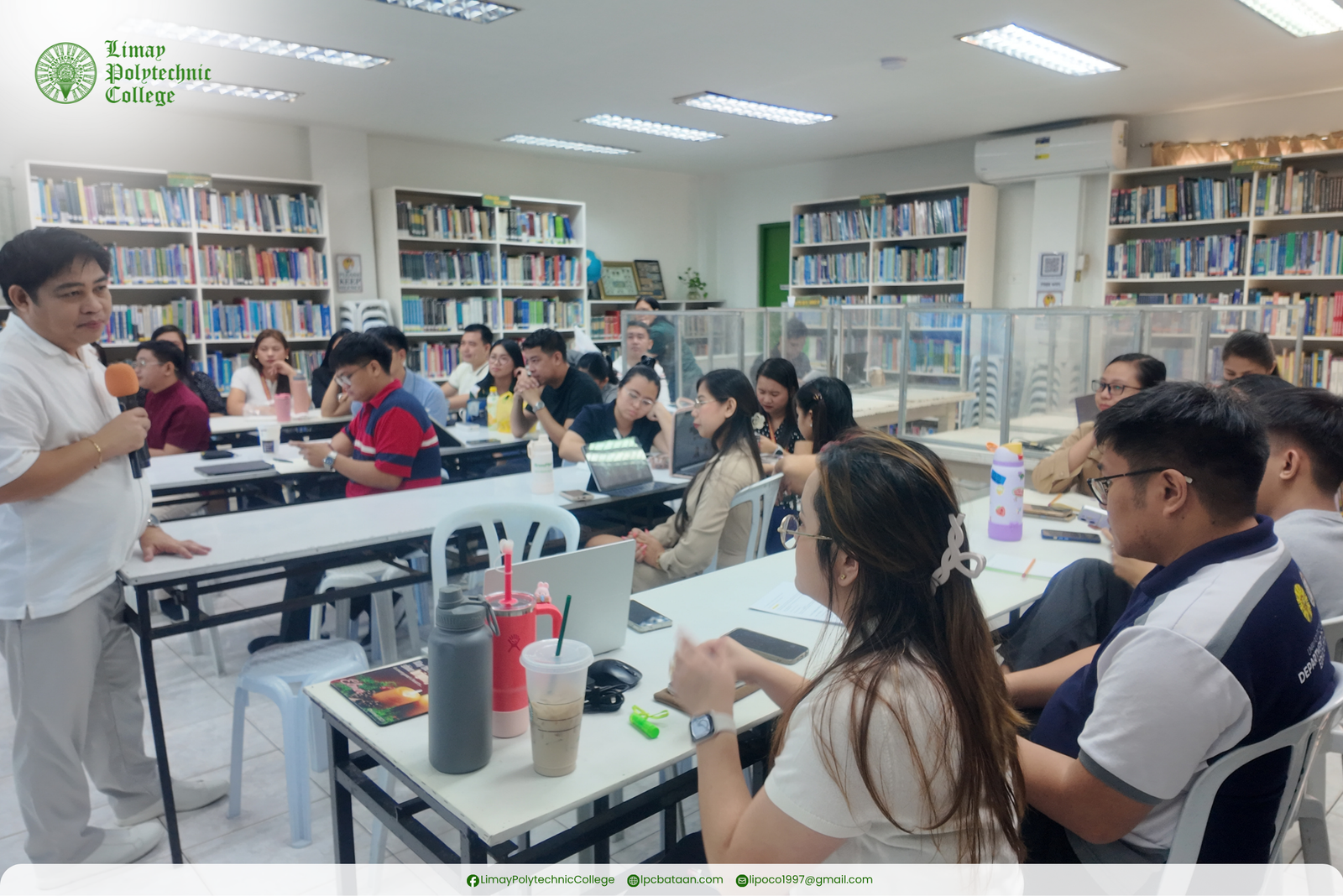
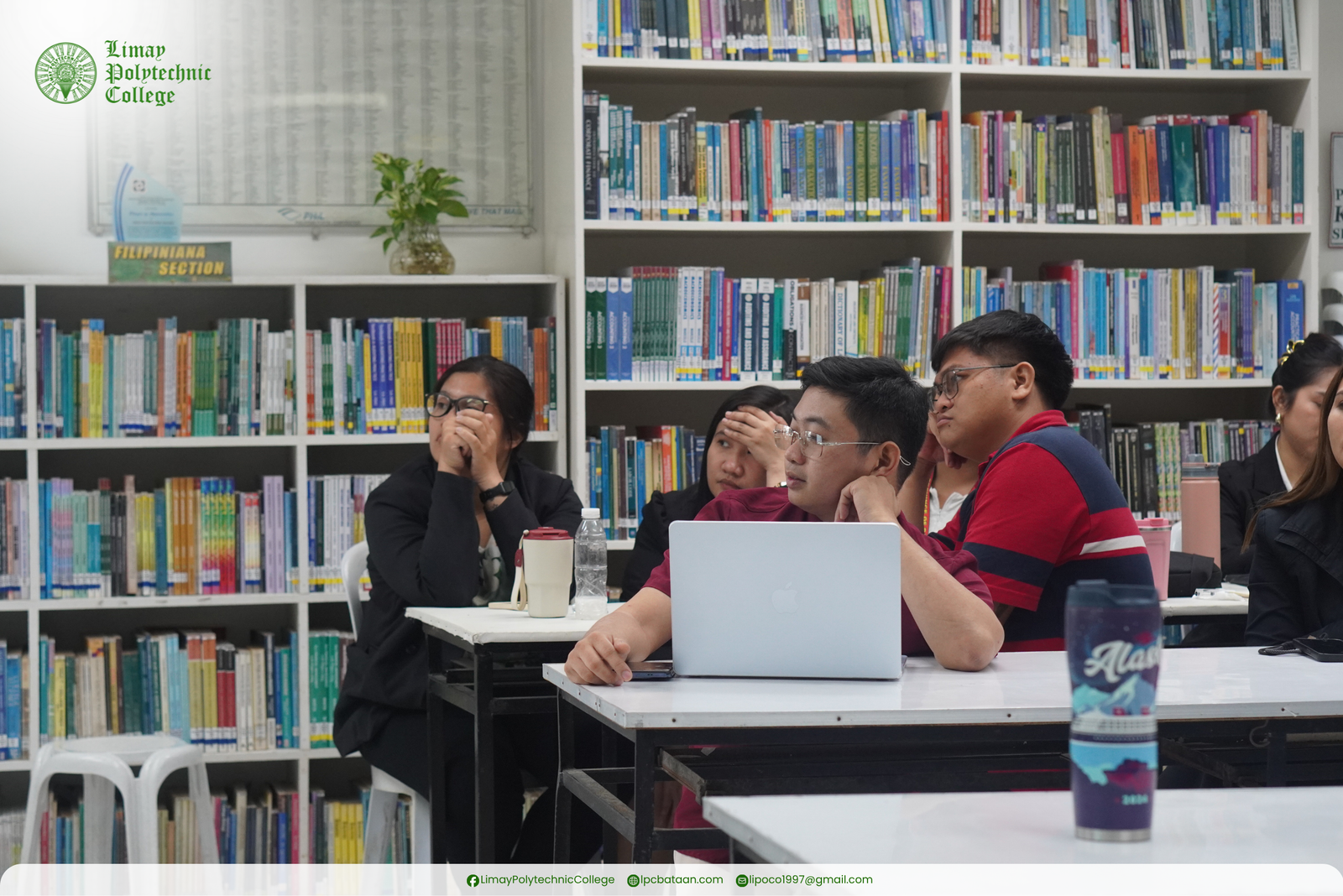
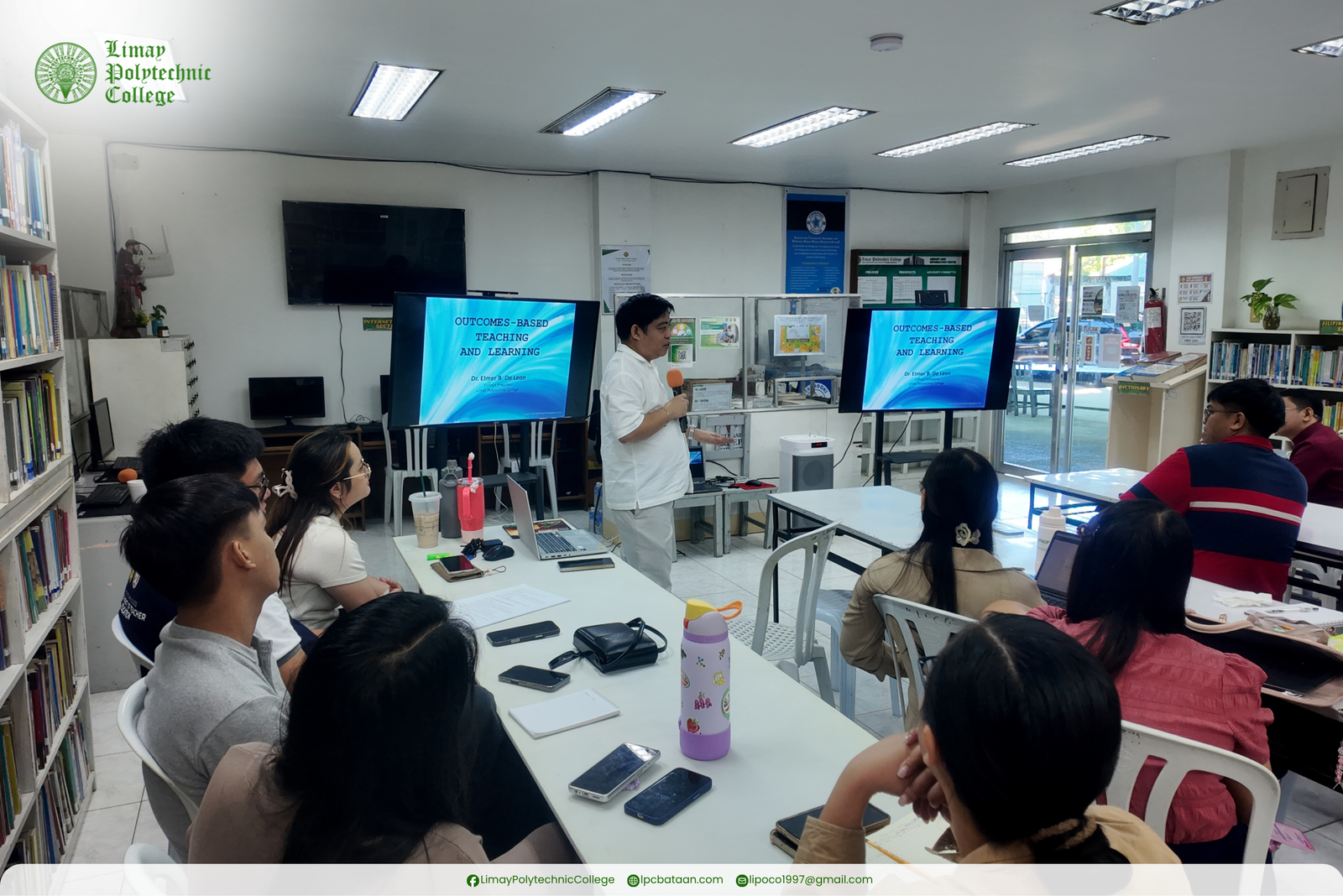
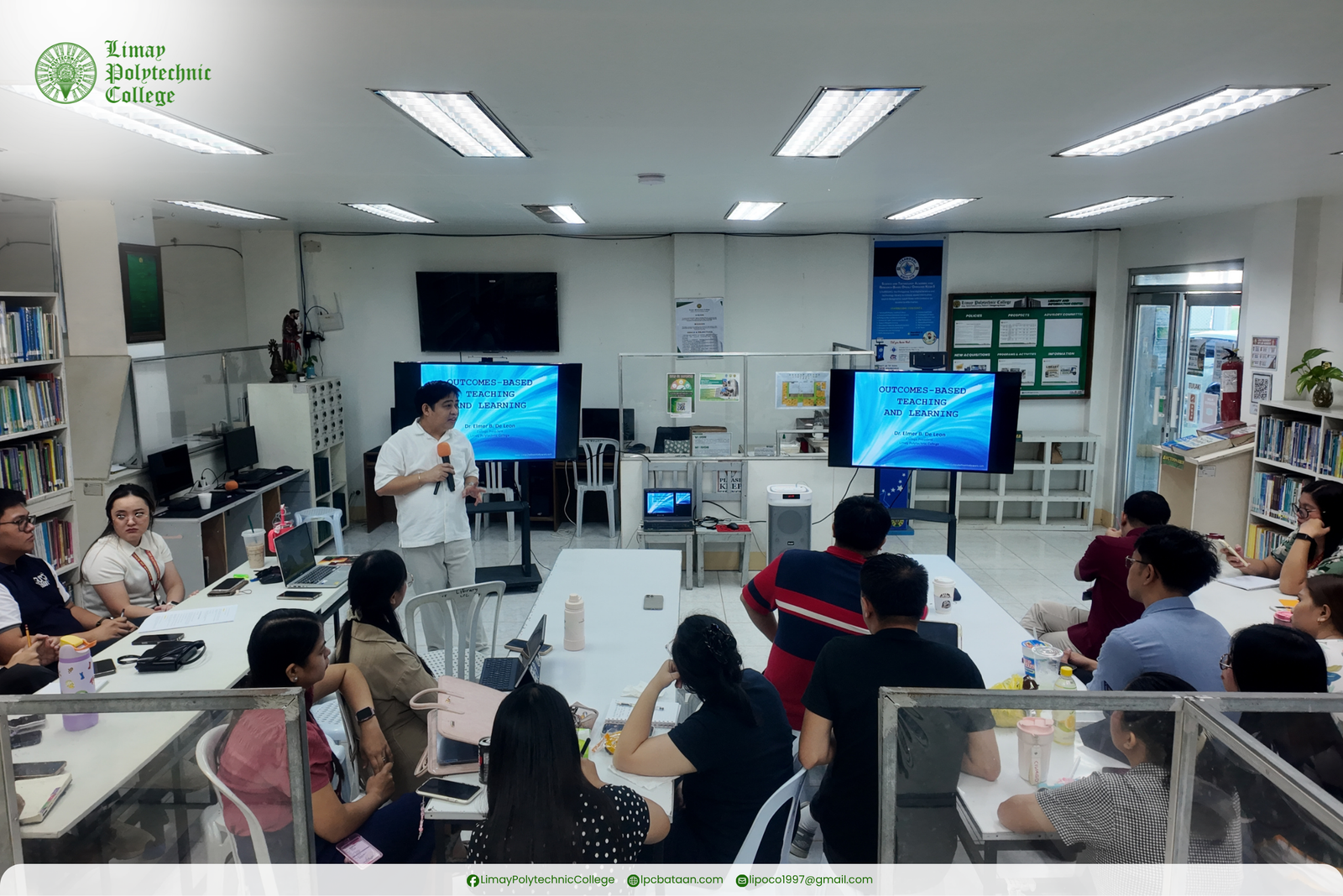
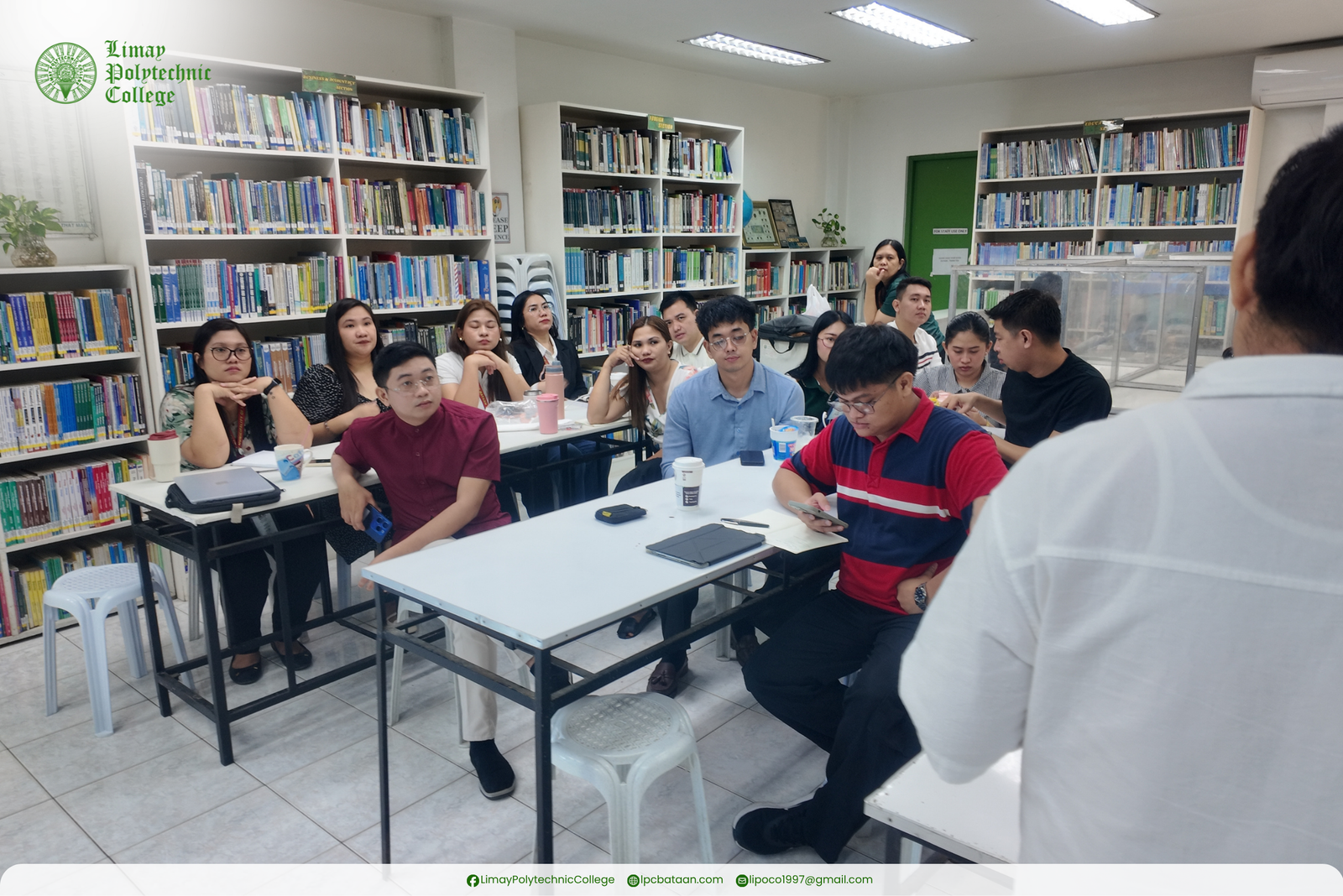
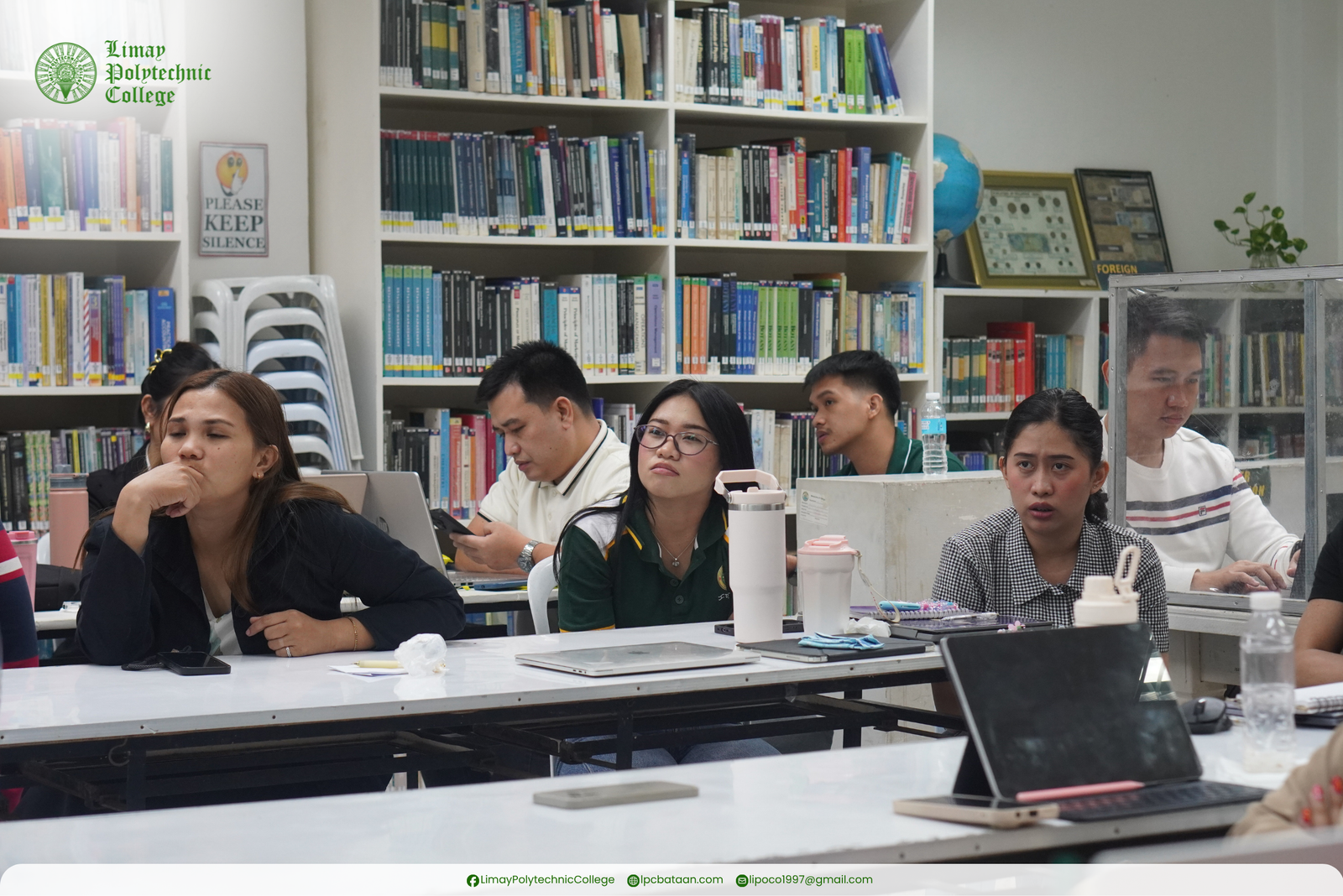
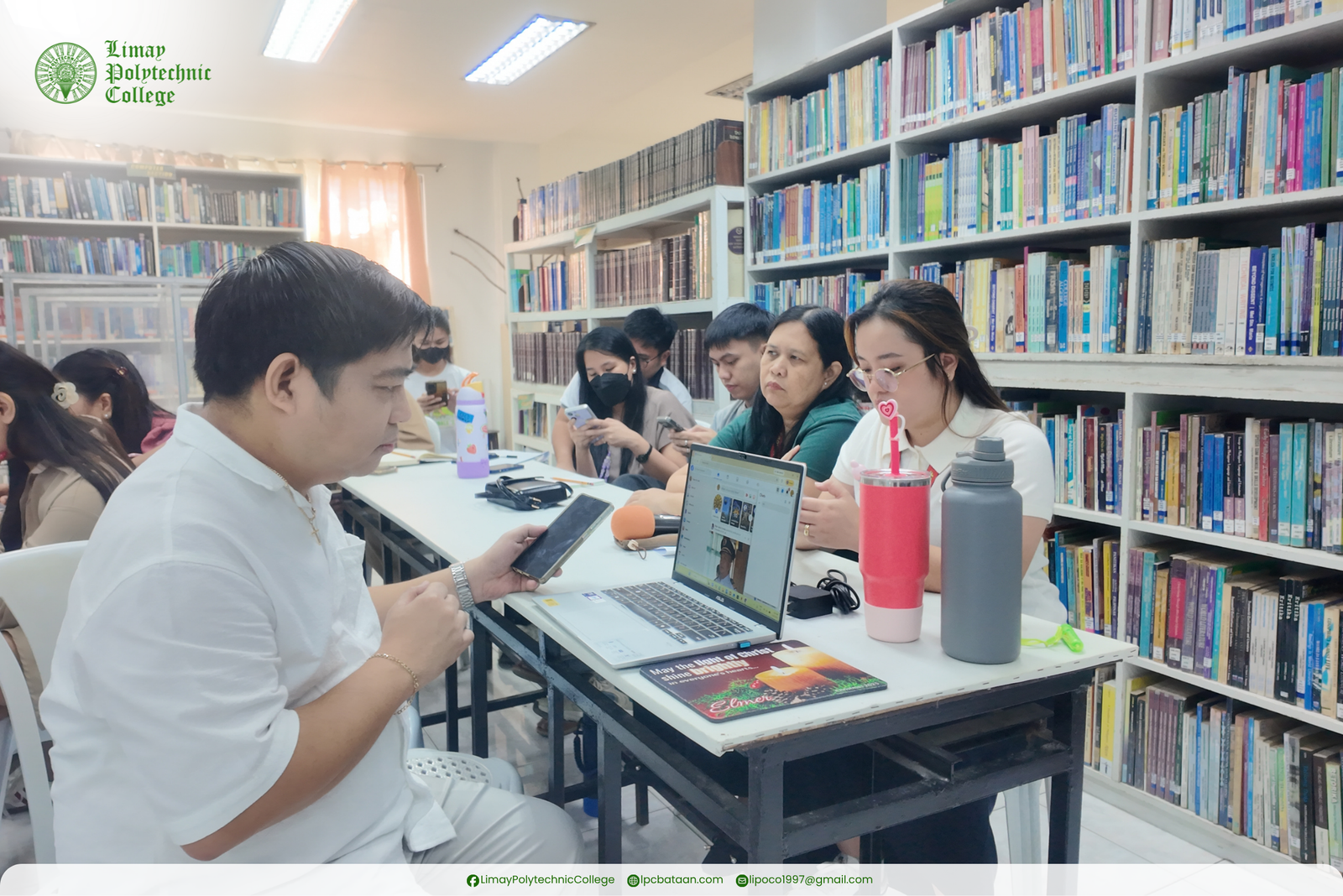
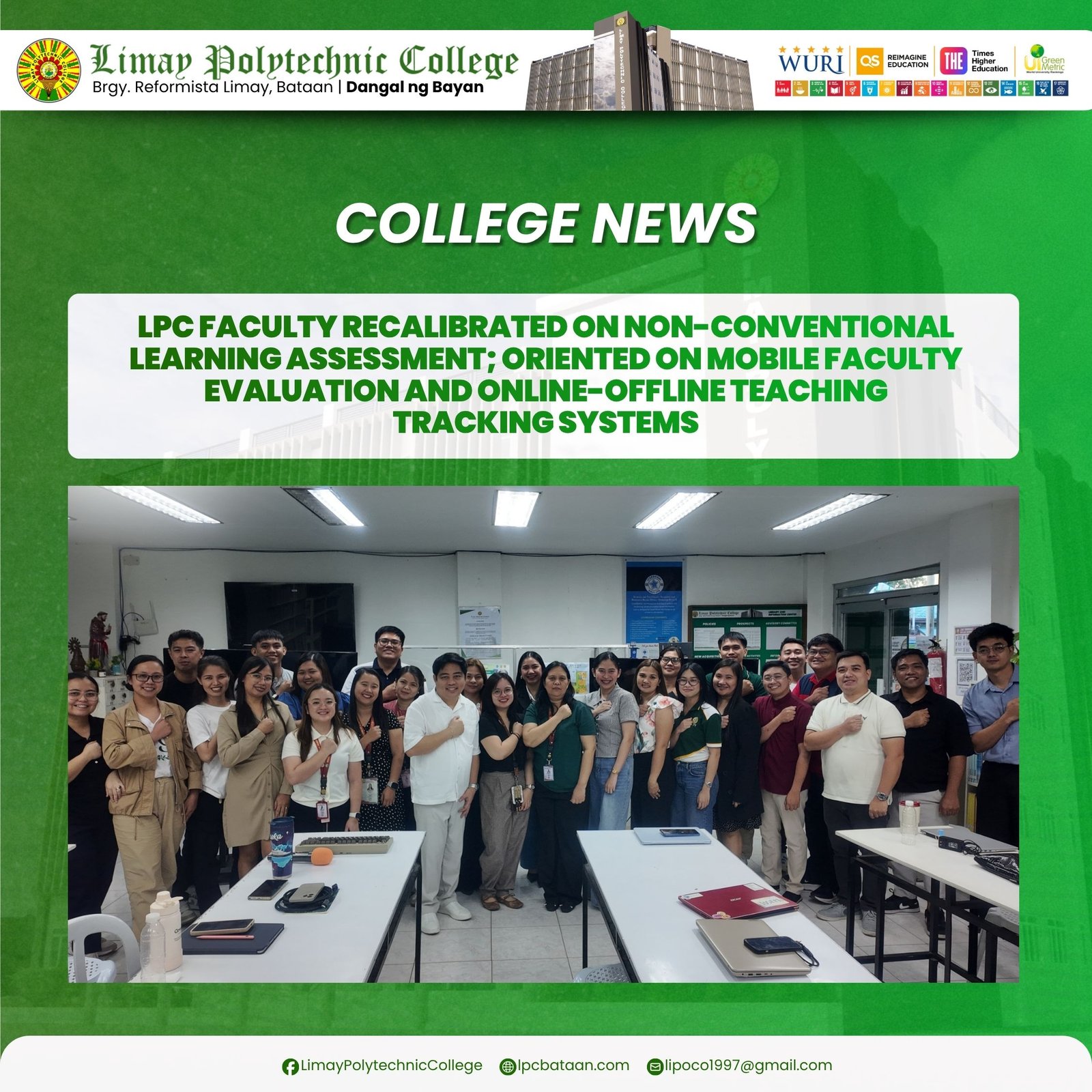
Limay Polytechnic College (LPC) conducted a preliminary faculty capacity-building session on Non-Conventional Learning Assessment, Mobile Faculty Evaluation, and Online-Offline Tracking and Accomplishment Reporting Systems on October 6, 2026, at the College Library.
The activity themed "Recalibrating Faculty on Outcomes-Based Assessment toward Future-Ready Graduates" was held during the students' health break following the successful conduct of Dangal Palaro 2026, maximizing the opportunity for faculty development and institutional recalibration.
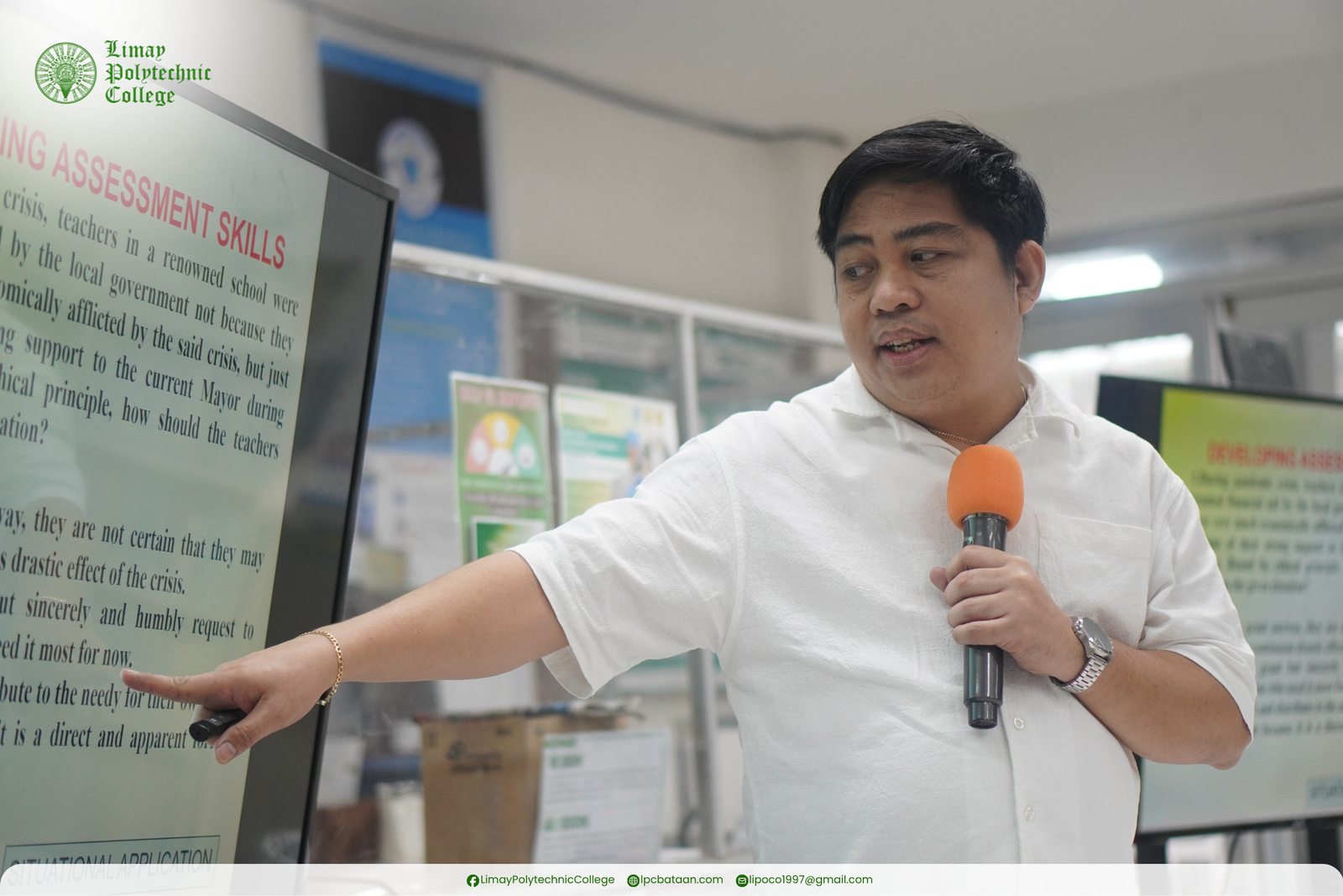
College President Dr. Elmer B. De Leon served as resource lecturer and facilitator, discussing two major topics: “Outcomes-Based Assessment” and “Making Quality Summative Test.”
The session aimed to strengthen faculty competencies in developing meaningful, authentic, and industry-responsive assessment instruments aligned with the demands of 21st-century education.
Reframing Learning Assessment Toward Future-Ready Competencies
Dr. De Leon challenged the faculty to reconsider conventional instructional and assessment practices, but further embrace more flexible, experiential, and competency-driven learning approaches responsive to the needs of a new generation of learners.
He emphasized the importance of authentic assessment anchored on actual workplace competencies, industry expectations, and real-world applications.
Citing research findings and insights from academe-industry dialogues, he discussed recurring concerns regarding the technical and practical skills of some higher education graduates entering the workforce.
These observations served as a springboard for examining the limitations of purely conceptual and classroom-based learning. He underscored the need to provide students with multiple learning opportunities through practical experiences, industry exposure, simulations, field engagements, and other authentic situations where competencies can be demonstrated and developed.
The discussion also focused on constructing appropriate, board-oriented summative assessments, particularly final examination items anchored on purposive, contextualized, and measurable competencies.
Dr. De Leon presented sample test items for analysis, rationalization, and improvement to guide faculty in developing assessments that measure not only knowledge retention but also application, analysis, and professional readiness.
The proposed assessment direction seeks to better prepare LPCians for licensure examinations, Civil Service Examinations, employment placement tests, and other career-related qualifying assessments.
At the conclusion of the session, faculty members acknowledged the insights shared by the resource lecturer and accepted the challenge of developing more purposeful, competency-based, and outcomes-oriented assessment tools.
They expressed their commitment to supporting LPC's transition toward a more responsive learning framework that develops future-ready graduates equipped to navigate present and emerging challenges.
Digitalizing Faculty Evaluation and Performance Monitoring
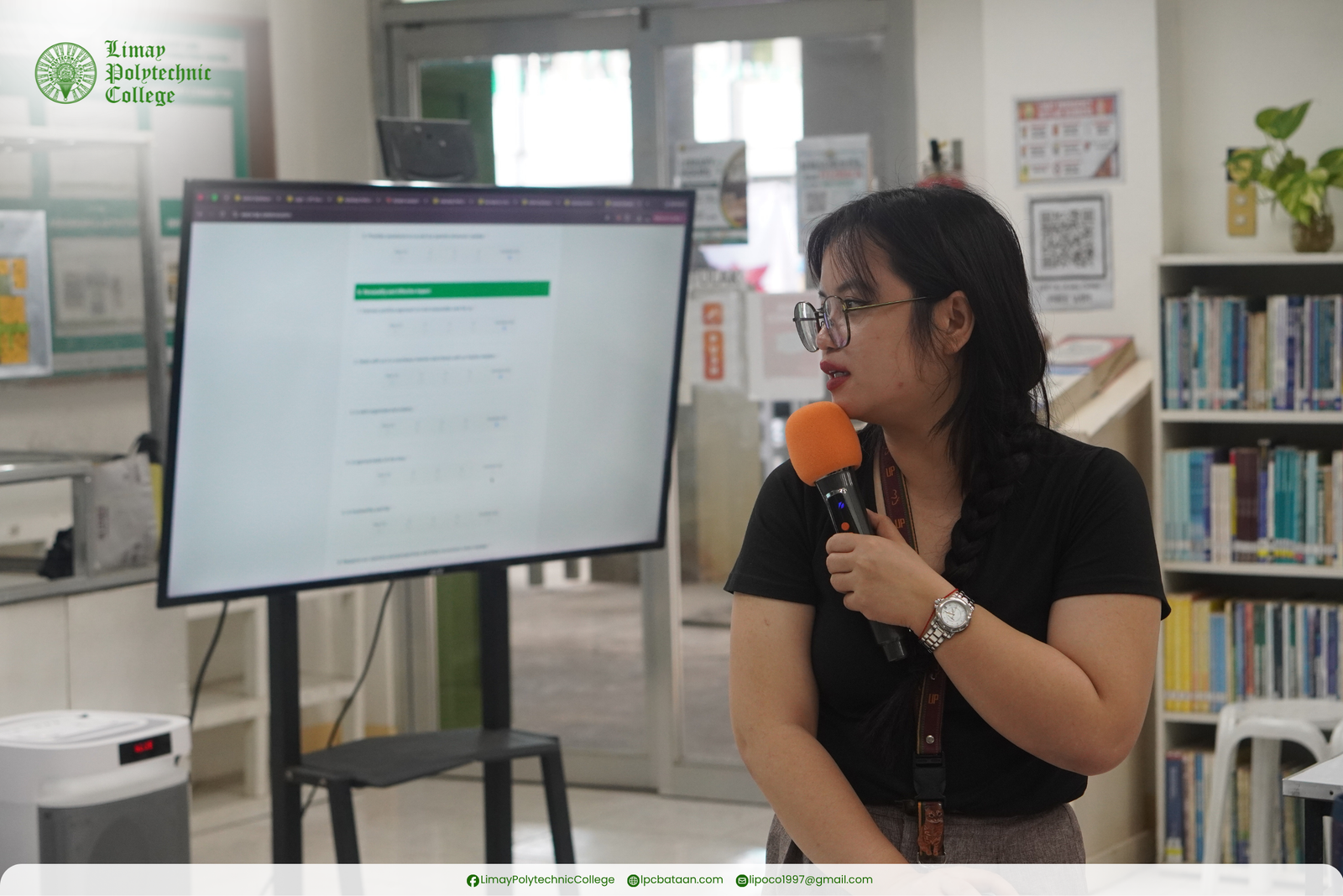
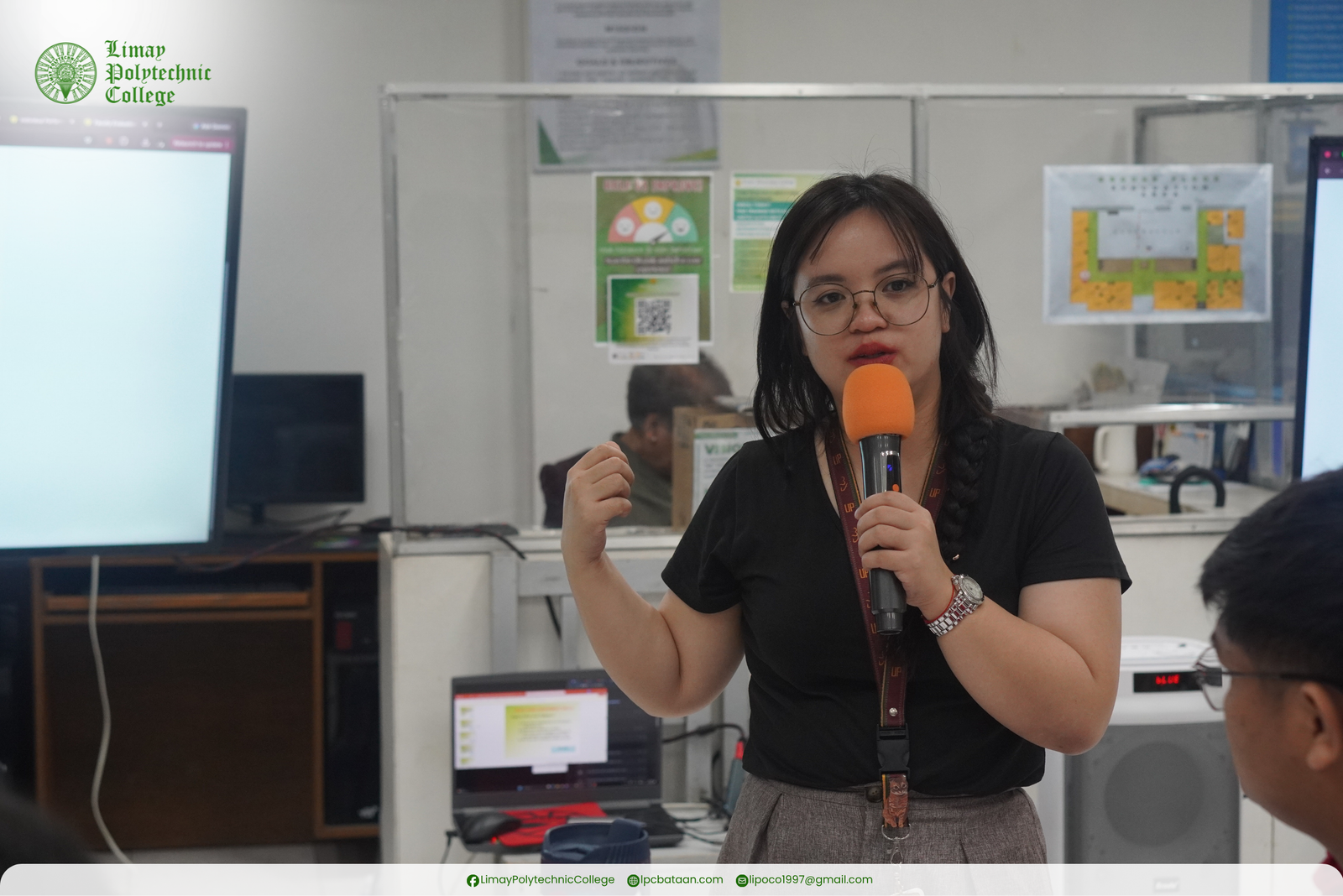
The second part of the activity featured the presentation of two internally developed digital systems by Ms. Cheyser Charrese Gatchula, Head of the Information Technology Education Department, as part of LPC's continuing institutional digitalization initiative.
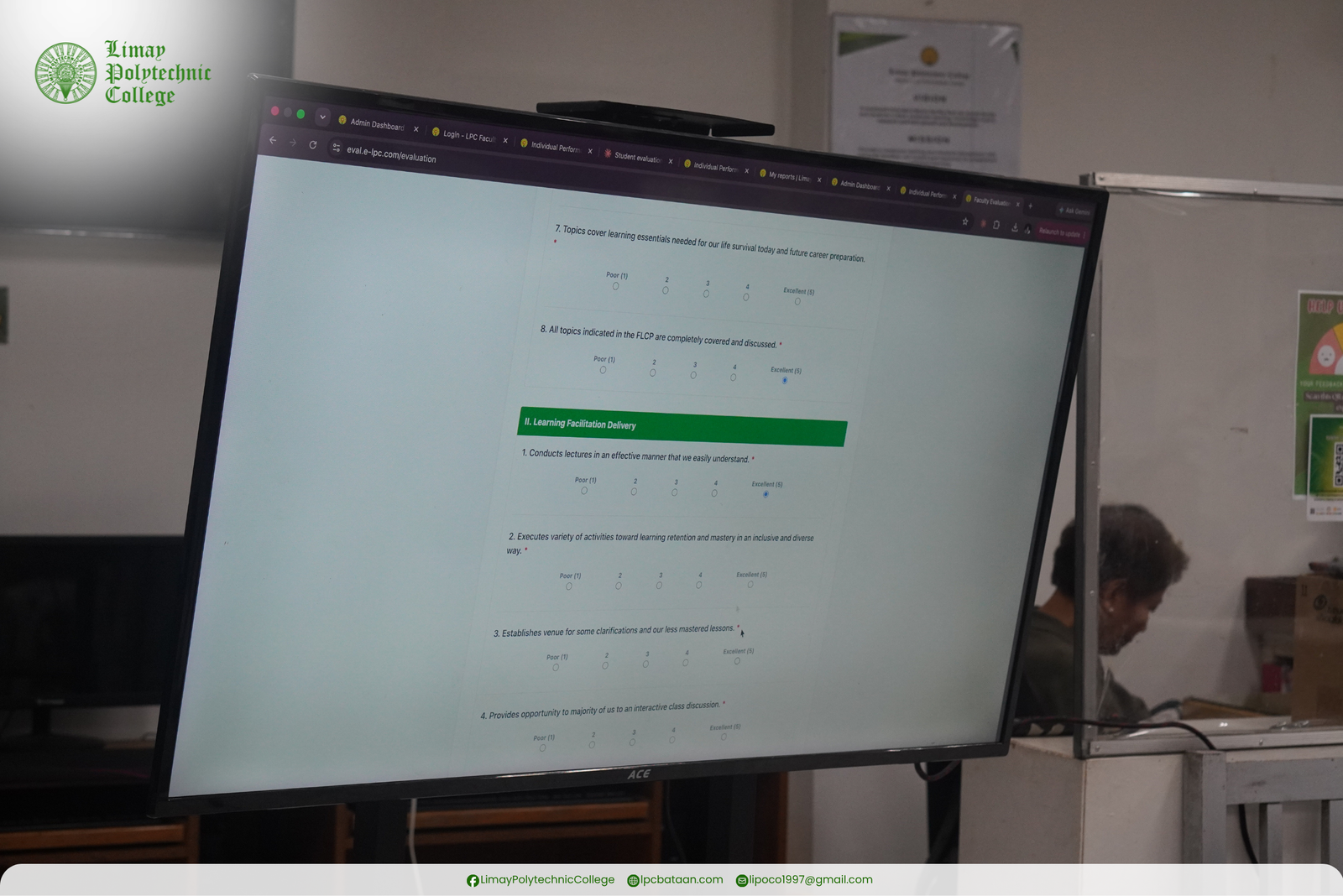
First, Ms. Gatchula demonstrated the Mobile Faculty Evaluation System, designed to simplify the administration, processing, consolidation, and reporting of faculty performance evaluations.
The system offers mobile-based access for convenient evaluation, automated computation of ratings, faster generation of results, and auto-statistical interpretation for reliable reporting and management decision-making.
It also incorporates mechanisms intended to promote responsible and consistent evaluation practices, identify repetitive response patterns, and help minimize potential rating biases associated with tedious evaluation processes.
For qualitative feedback, the platform includes filtering mechanisms to prioritize relevant and constructive comments while screening offensive, humiliating, or personally attacking expressions.
It also organizes recurring responses and evaluation data to facilitate analysis, research, and evidence-based institutional interventions.
To uphold confidentiality, individual faculty evaluation results are intended to be accessible through respective faculty portals, together with relevant records on compliance, attendance, and tardiness, subject to appropriate access controls and data privacy safeguards.
Online Tracking and Accomplishment Reporting System
Ms. Gatchula likewise presented another self-developed platform for tracking and monitoring faculty and staff assignments, including online and offline teaching-related tasks in time of sudden change in work arrangement modalities.
The system is designed to facilitate accomplishment reporting, monitor task completion, and generate time-record documentation from the same platform.
It is expected to assist the Management in monitoring regular work outputs, ensuring timely compliance, and evaluating the delivery of academic and administrative services, while convenient, hassle-free, accessible and easy practice strategy among faculty, especially on submission of accomplishment reports, turn-out data and time records.
Faculty participants welcomed both proposed systems, recognizing their potential to reduce repetitive manual processes, simplify compliance requirements, improve operational efficiency, and promote more systematic and transparent performance monitoring while protecting individual records and safekeeping institutional data on files.
Toward a Digitally Enabled and Outcomes-Based Learning Culture
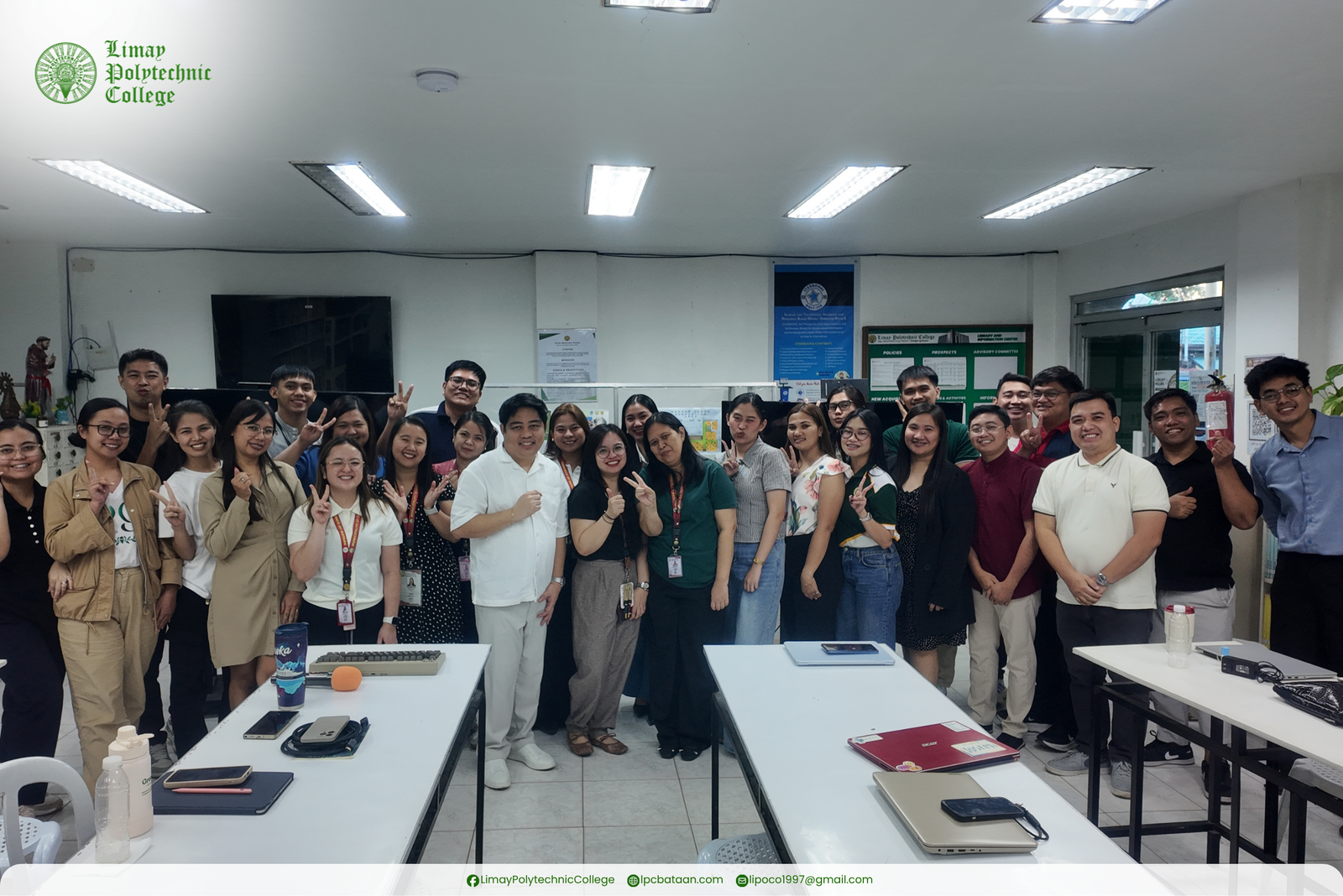
The two-part whole day long capacity-building activity reinforced LPC's commitment to strengthening both instructional quality and institutional operational efficiency.
It connected faculty development with the College's broader strategic direction: transforming learning assessment into a more authentic, competency-based process while digitalizing essential academic and administrative systems.
The session also demonstrated how institutional innovation can address practical challenges through internally developed solutions, responsive leadership, and the technical capabilities of its personnel.
Ultimately, LPC aims to develop an educational environment where assessment measures actual competencies, learning is enriched by real-world experiences, and digital systems support efficient, accountable, and quality-driven operations.
Through continuous faculty recalibration and technology integration, LPC moves closer to its aspiration of becoming a future-ready institution—preparing learners not only for the demands of tomorrow but also for the realities and opportunities of today.
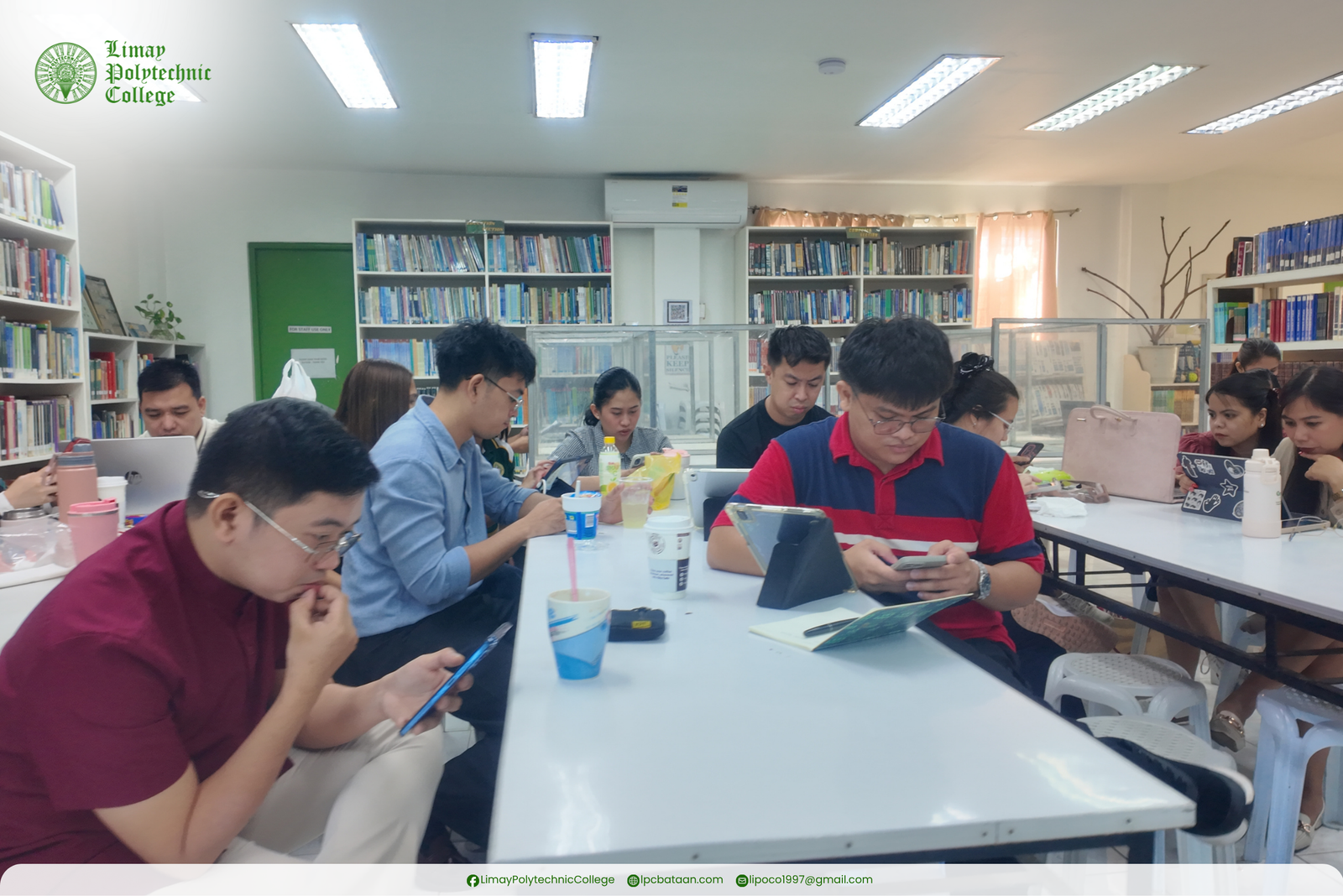
Also in this session, Mr. Kenner Garcia, English faculty topped the mobile-operated competency-based assessment in fastest speed and received cash prize courtesy of the College President.
The whole activity was prepared, coordinated and arranged by Ms. Jana Marie Mangune, Teacher Education Coordinator which turned out to be a successful and commendable event. #
#SDG4QualityEducation