Tap to View
𝗖𝗢𝗟𝗟𝗘𝗚𝗘 𝗡𝗘𝗪𝗦 | From Traditional to Non-Conventional Approaches: LPC advances a Resilient and Future-Proof Instructional Framework
Date Posted: Oct. 31, 2026
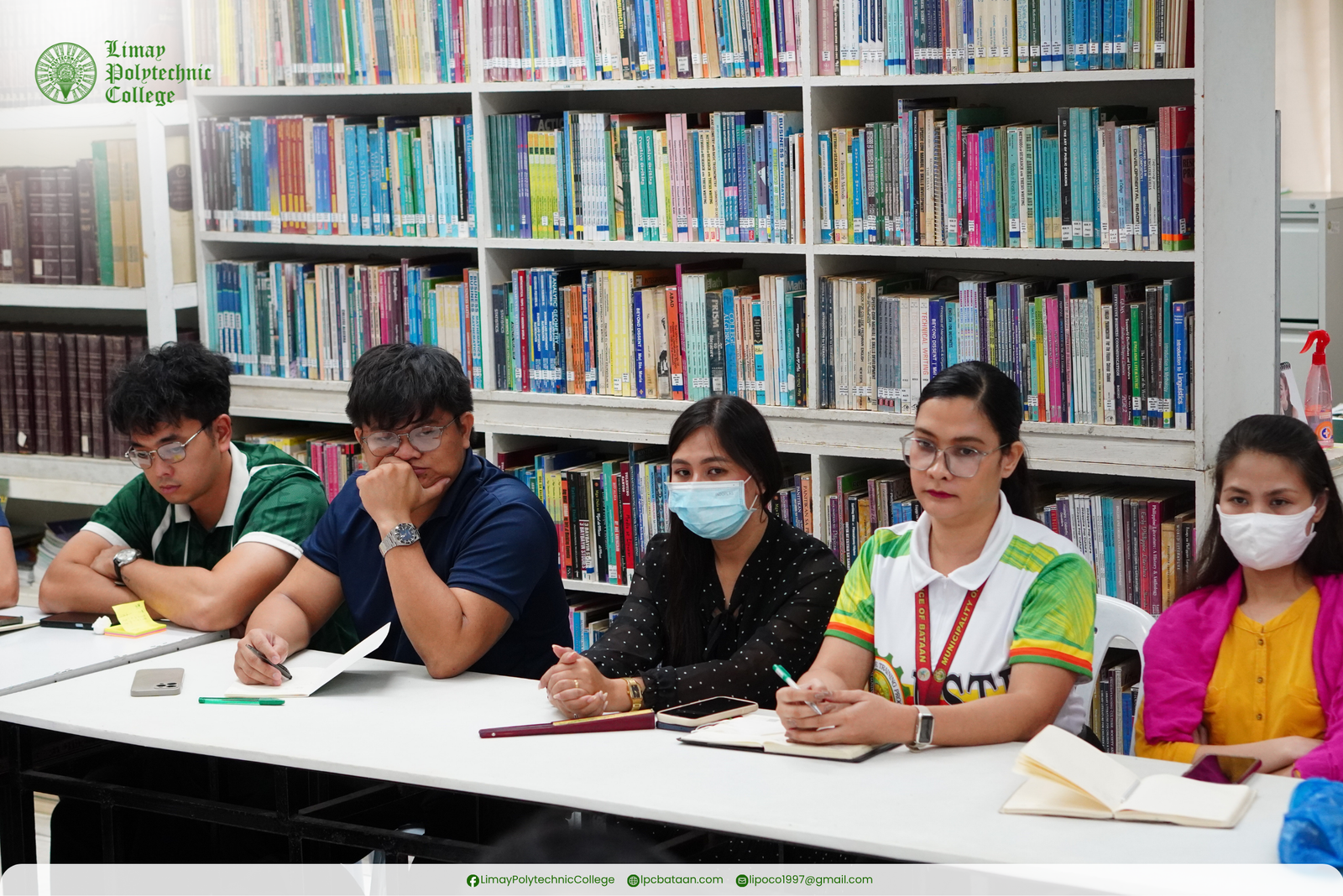
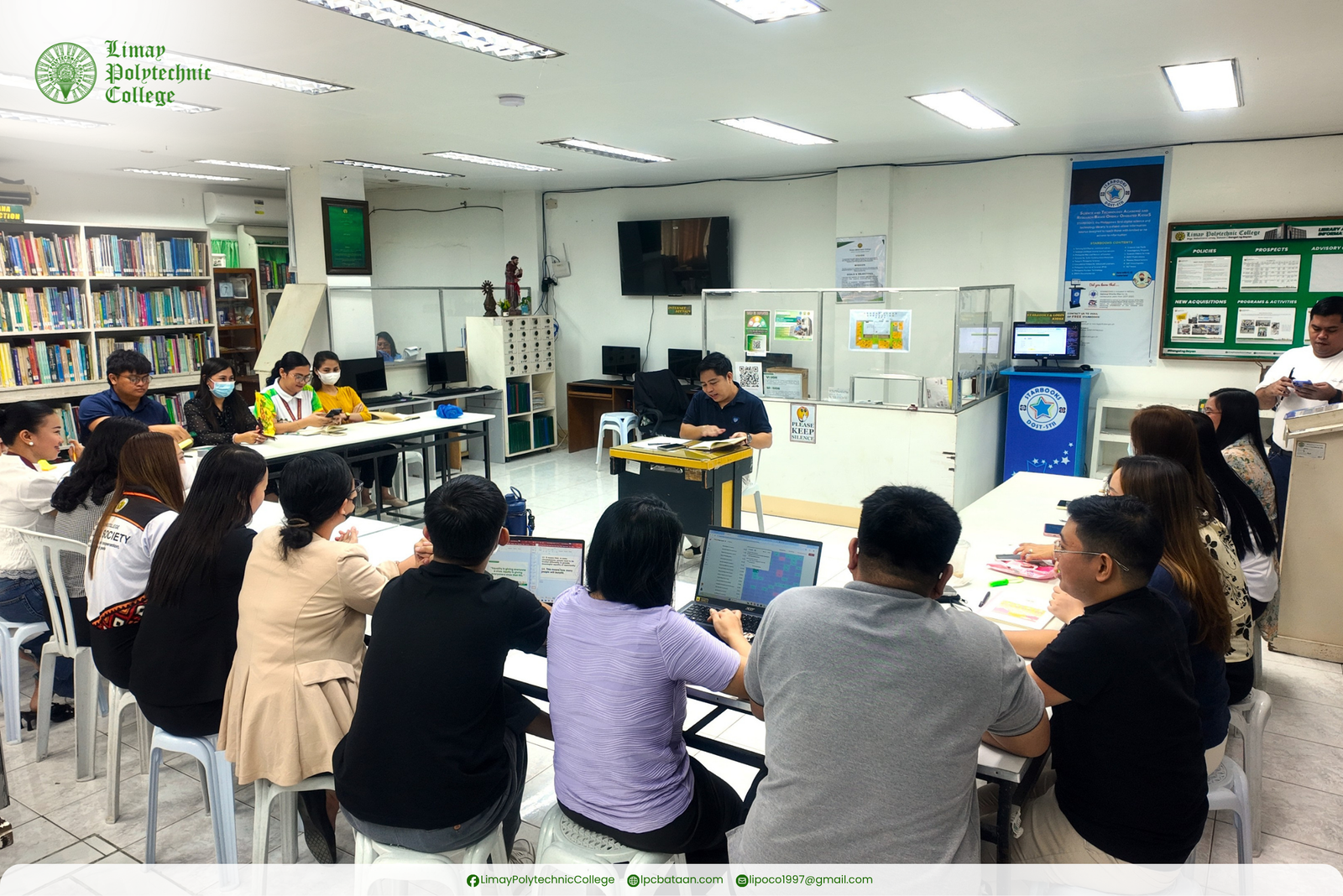
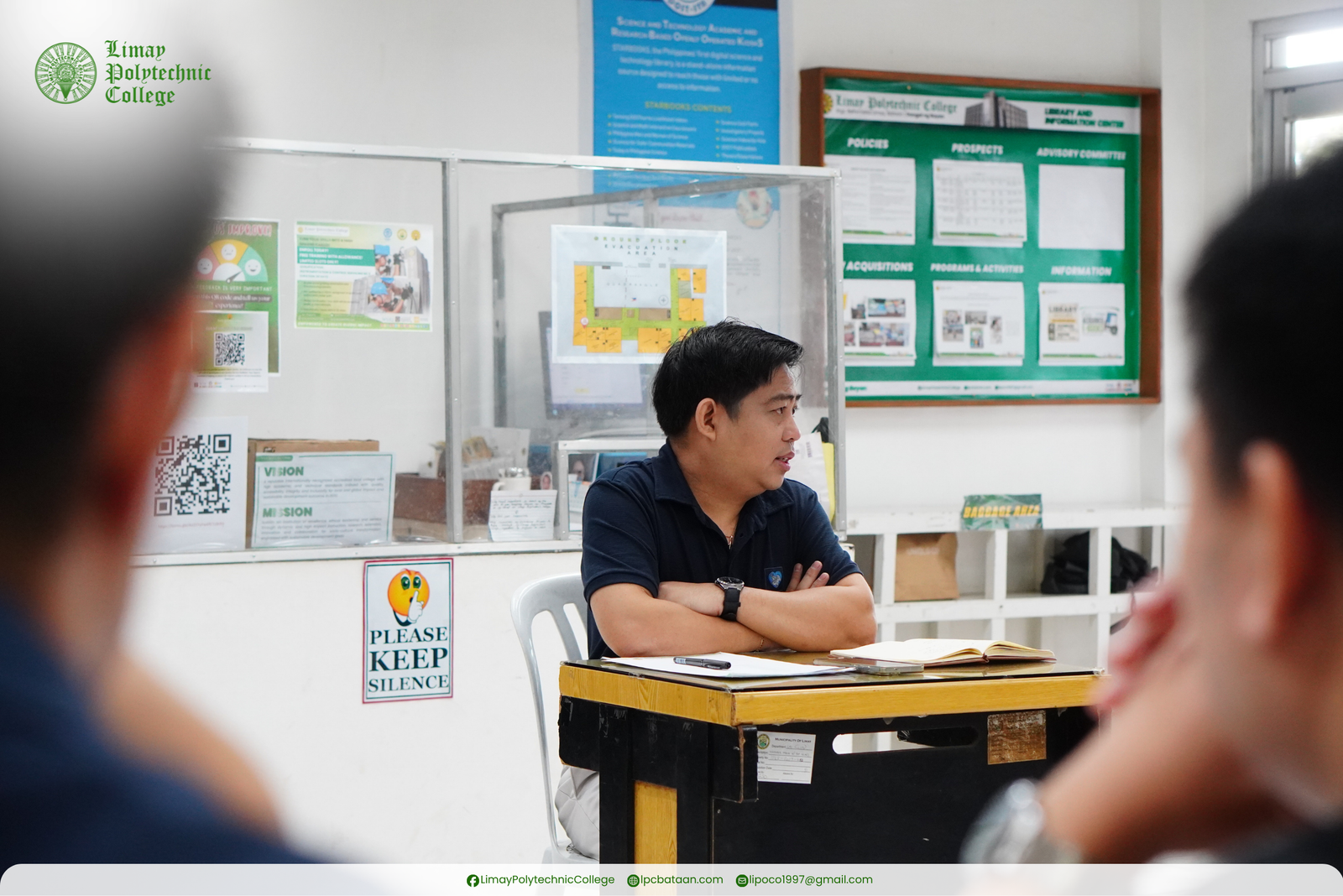
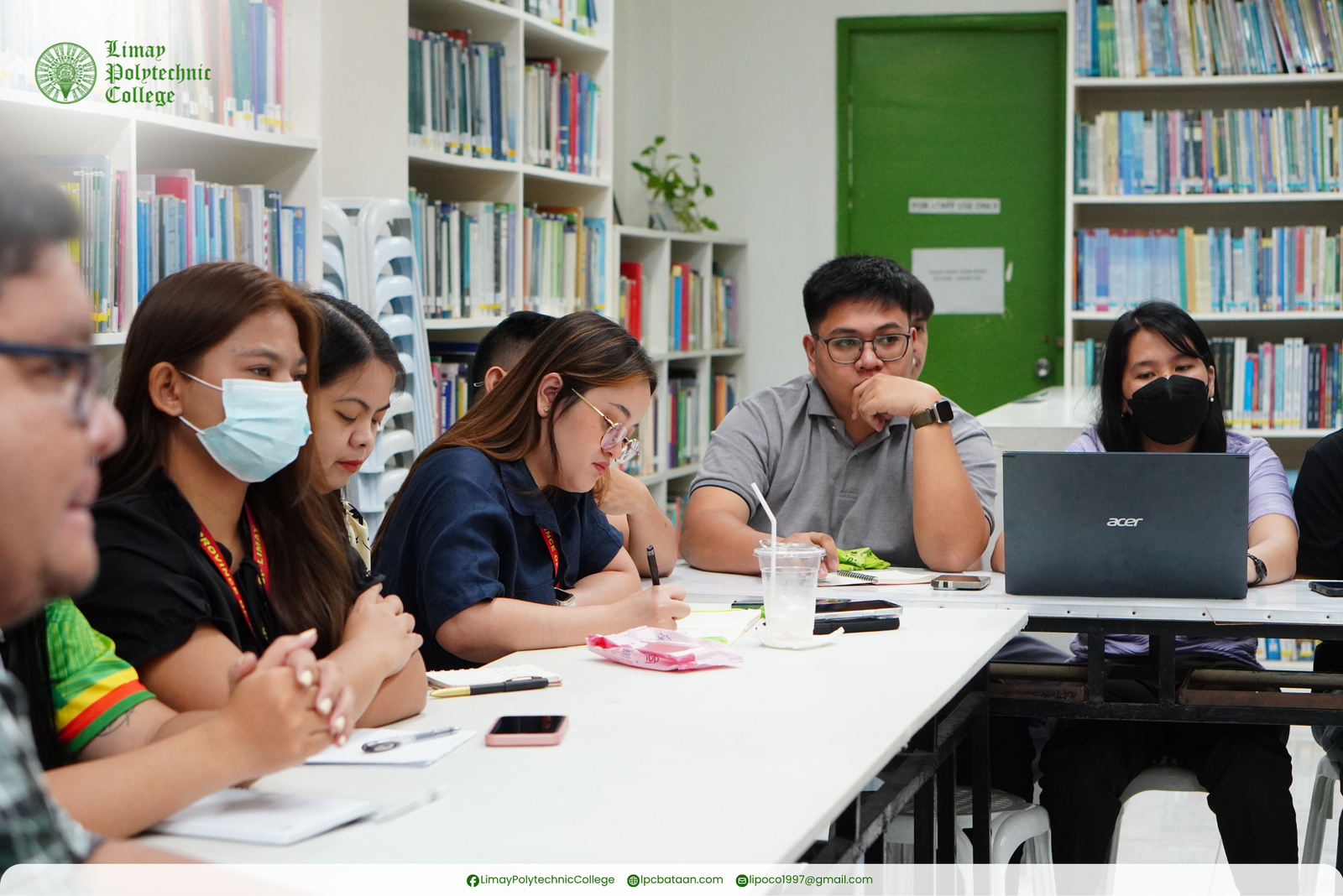
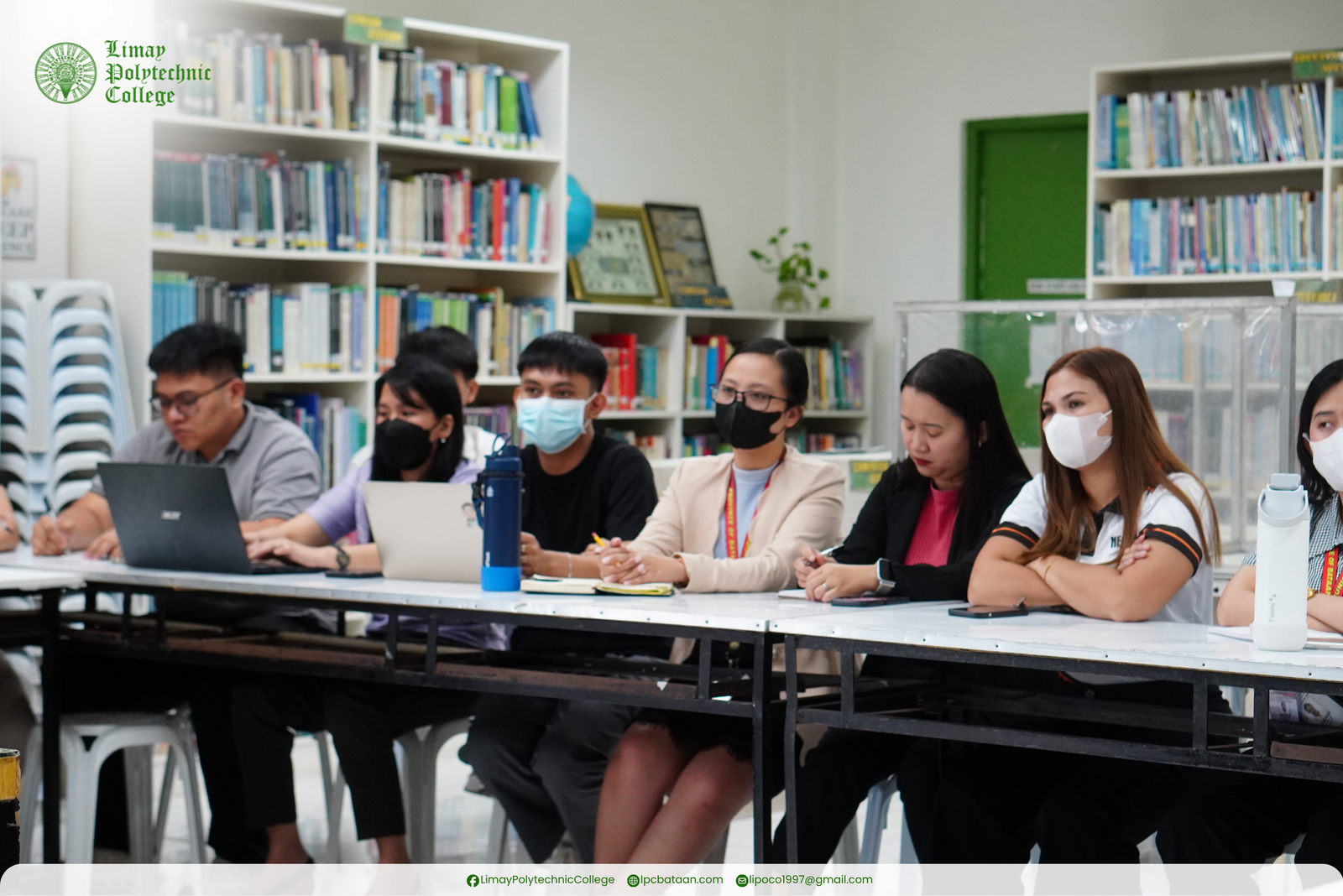
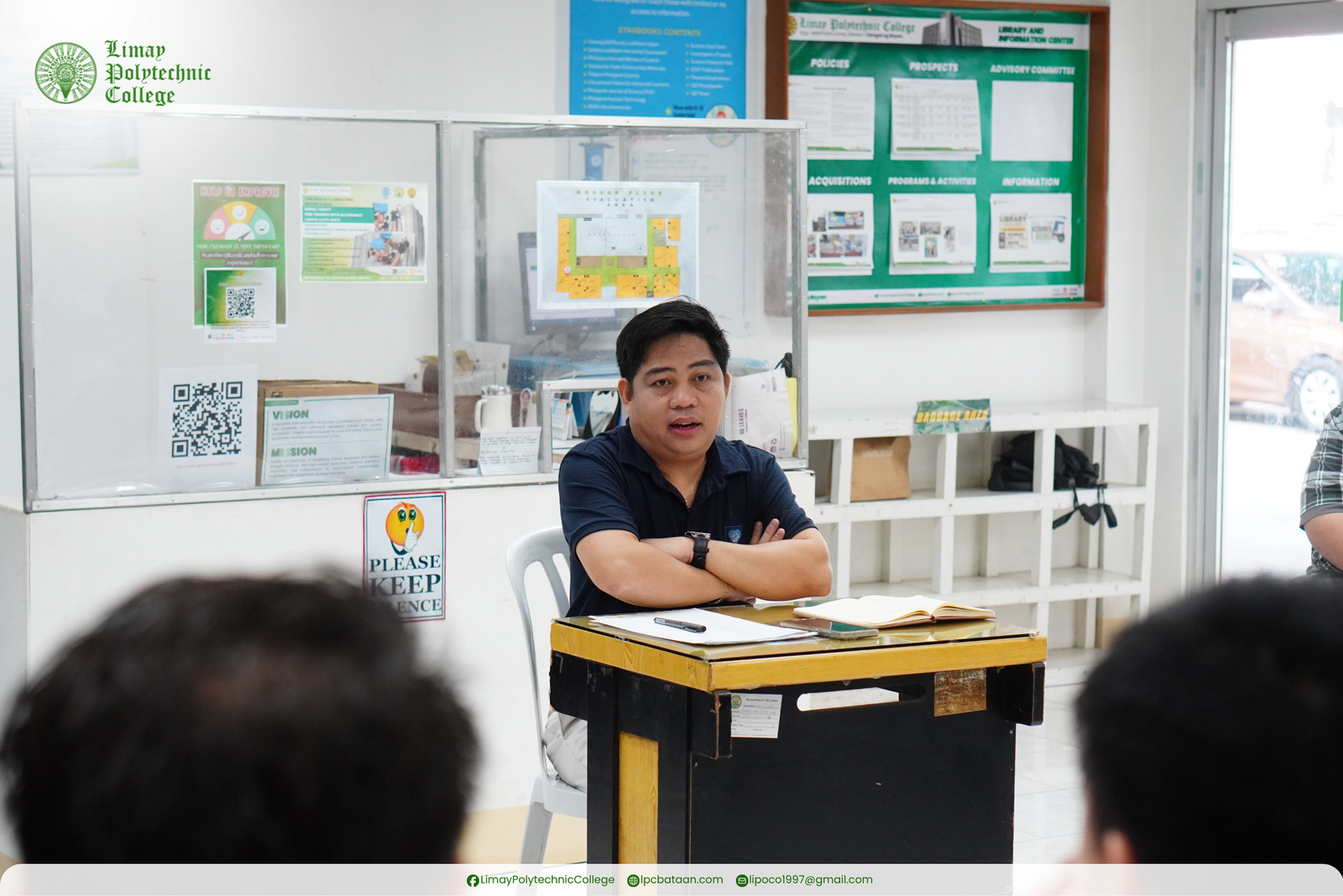
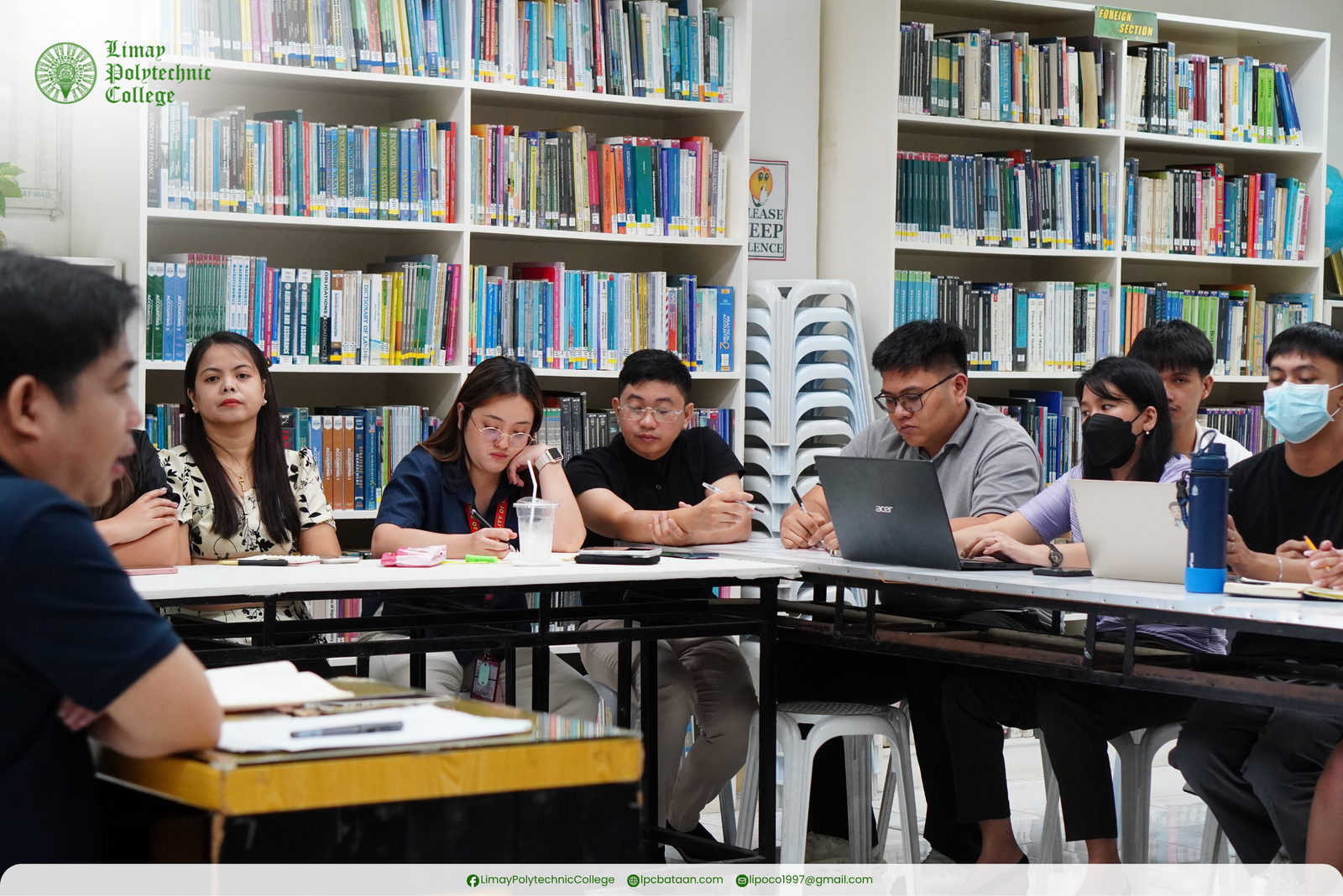
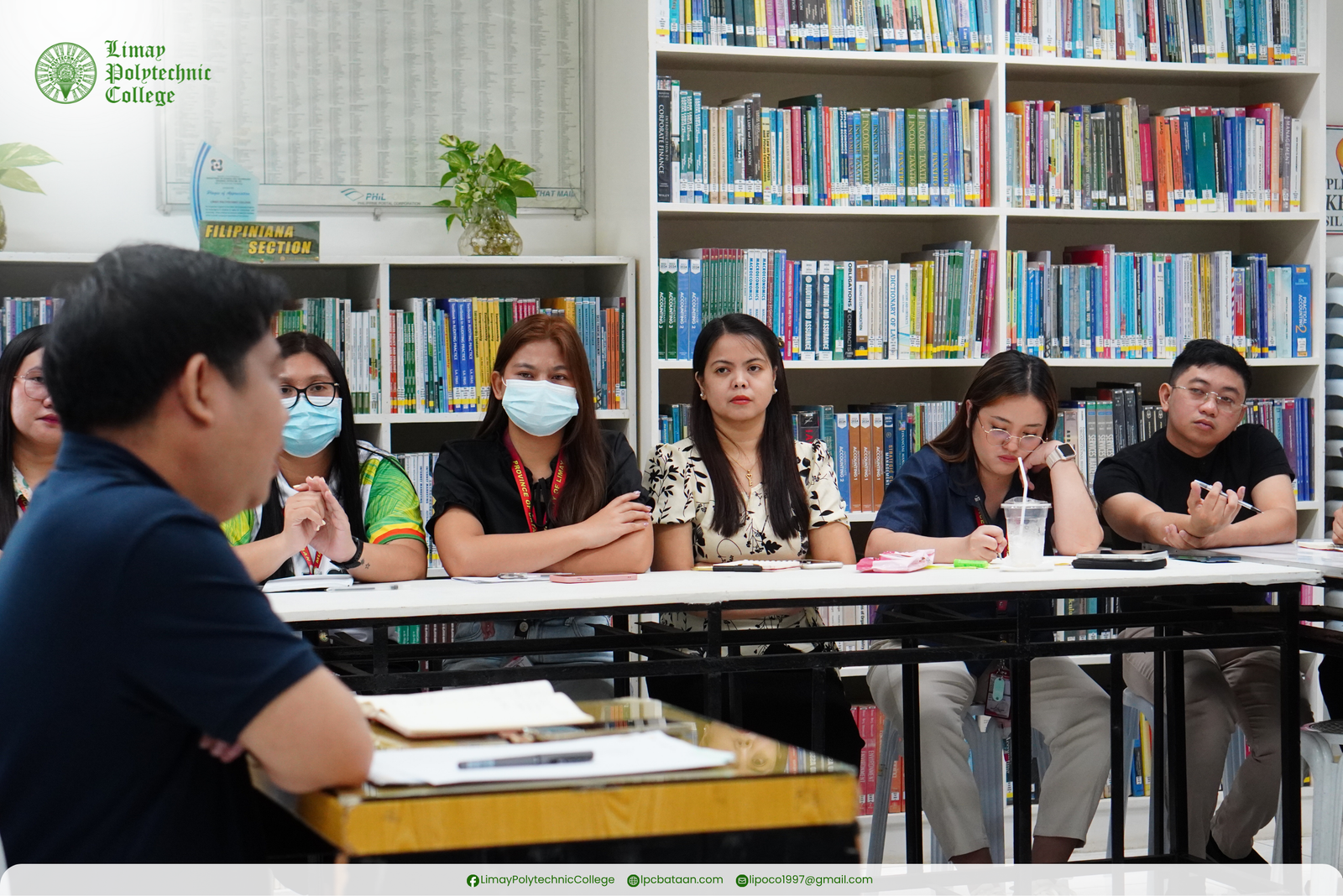
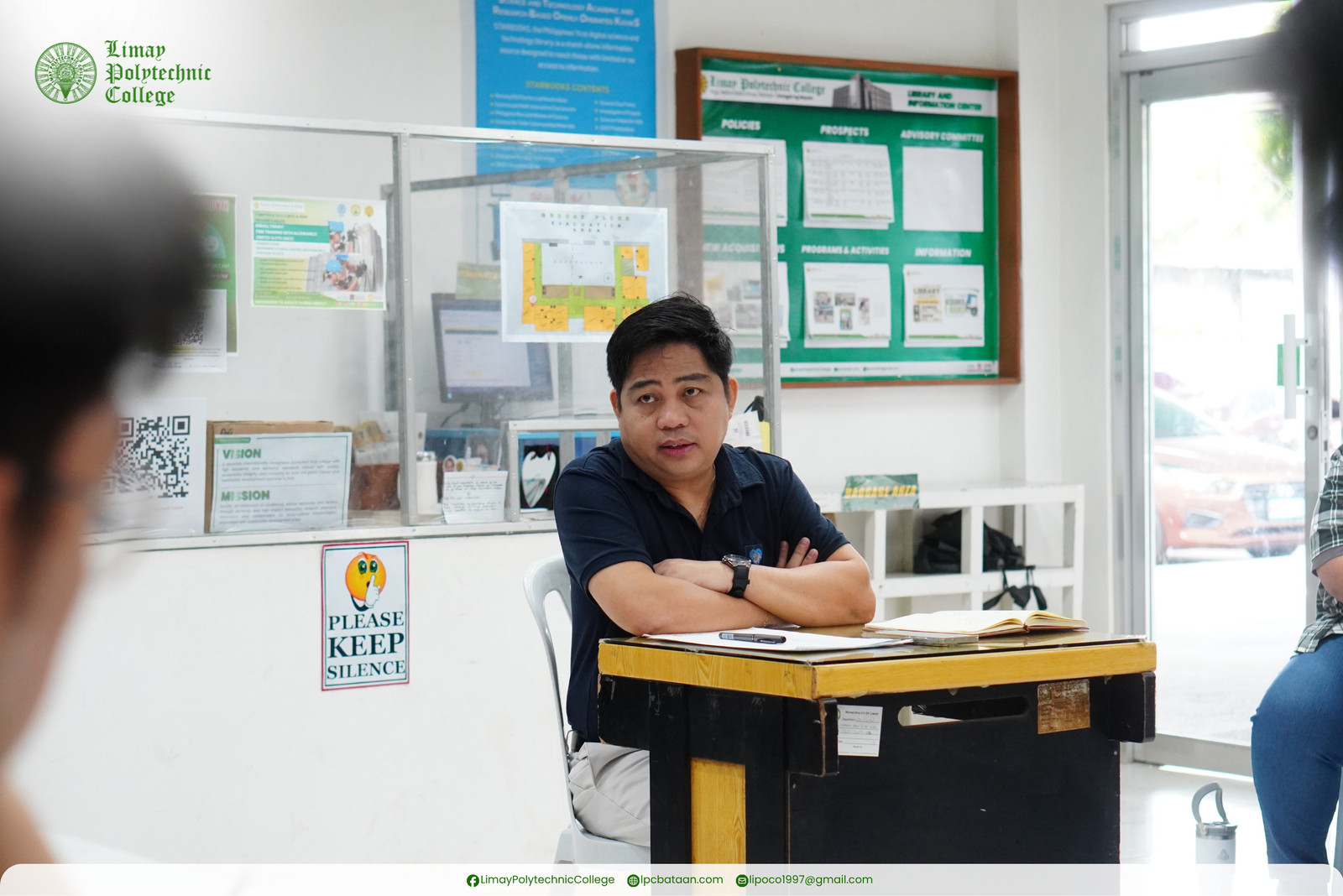
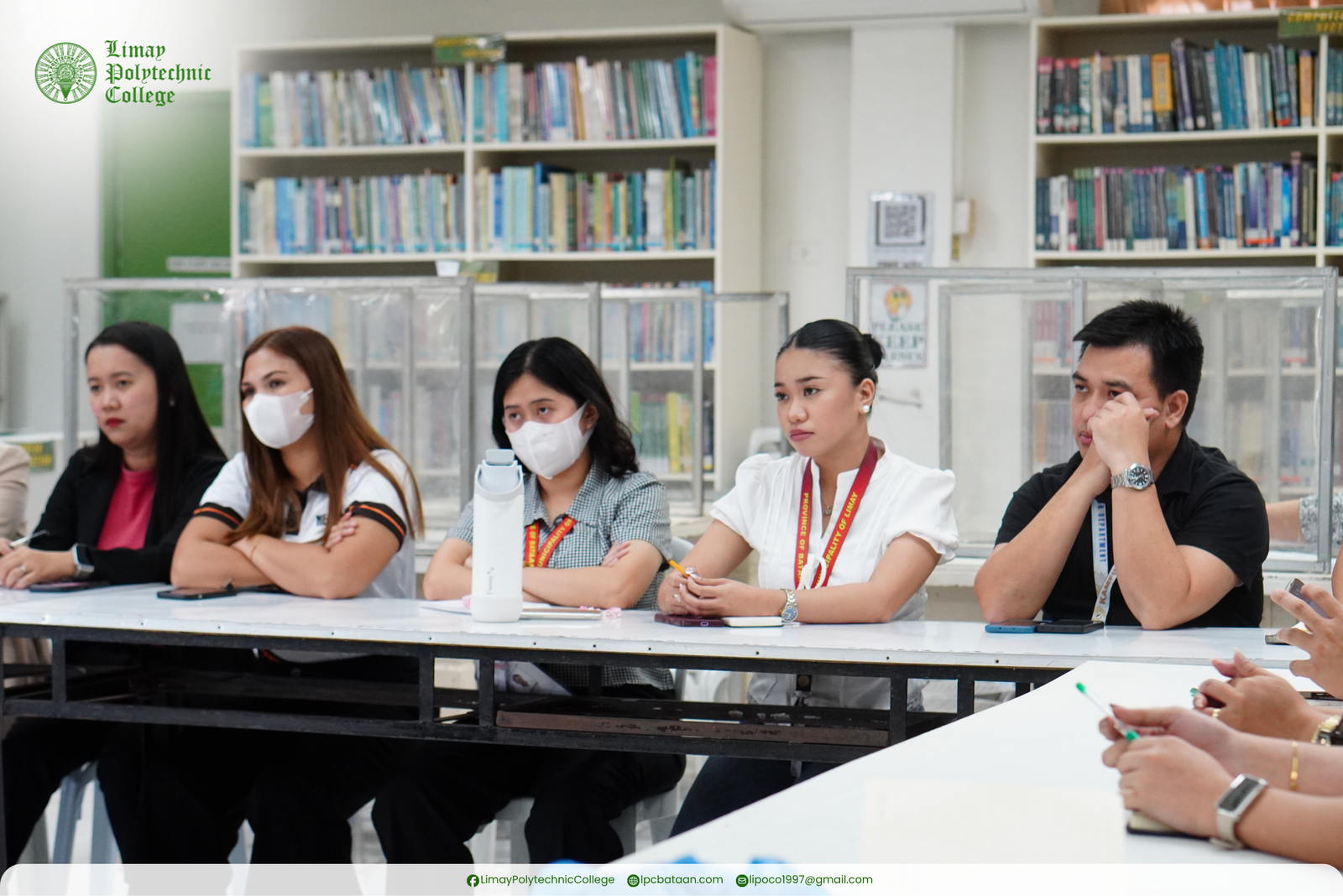
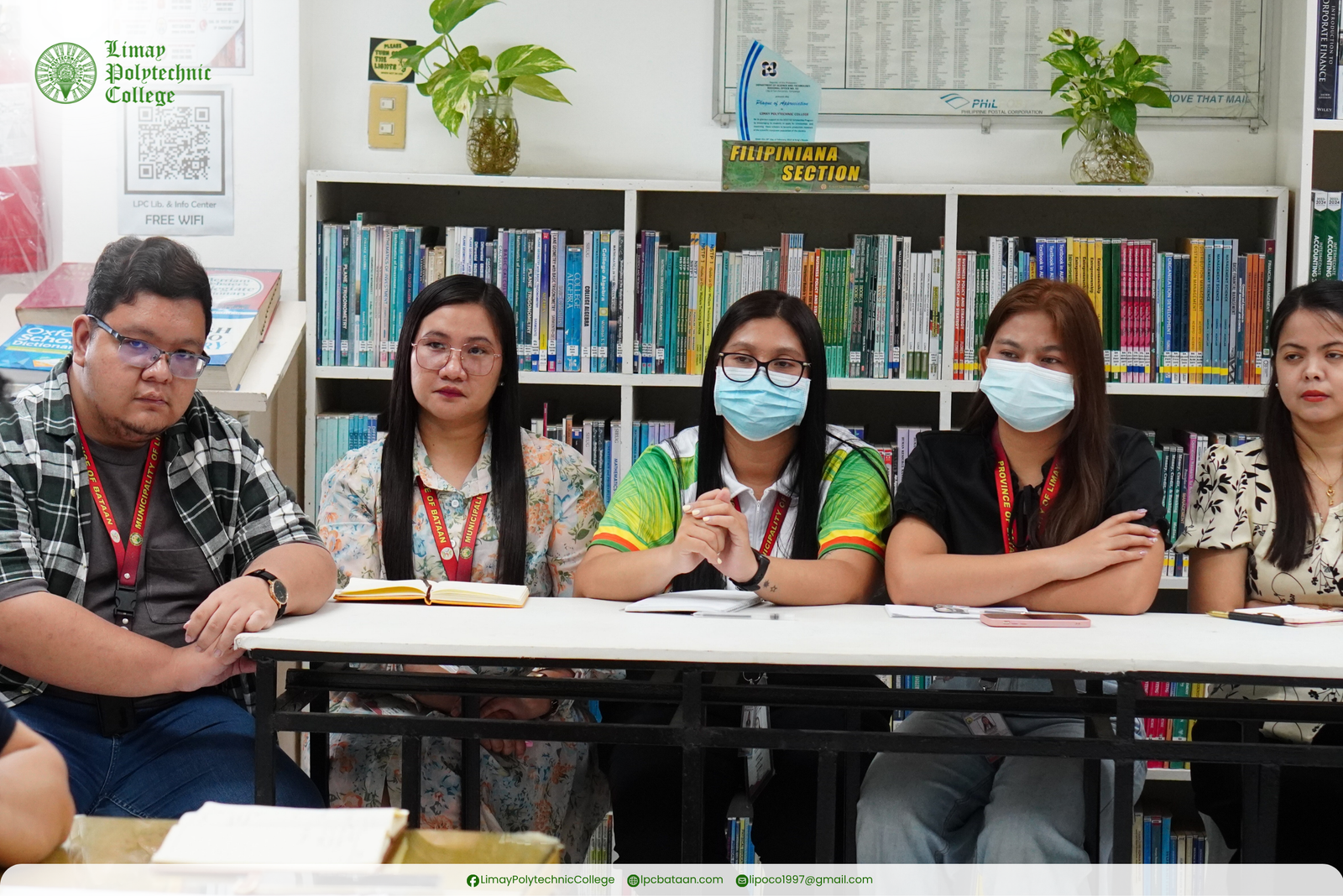
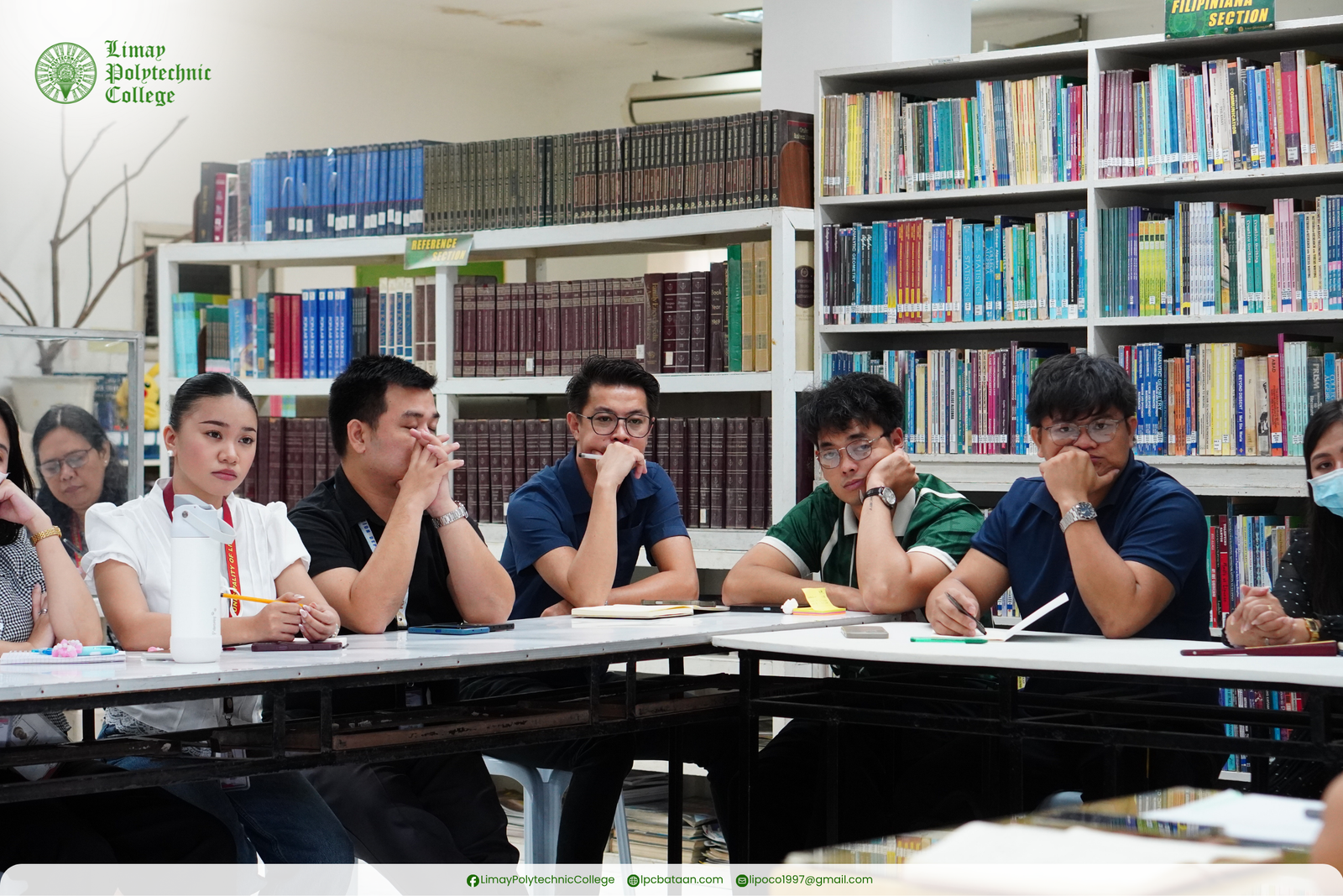
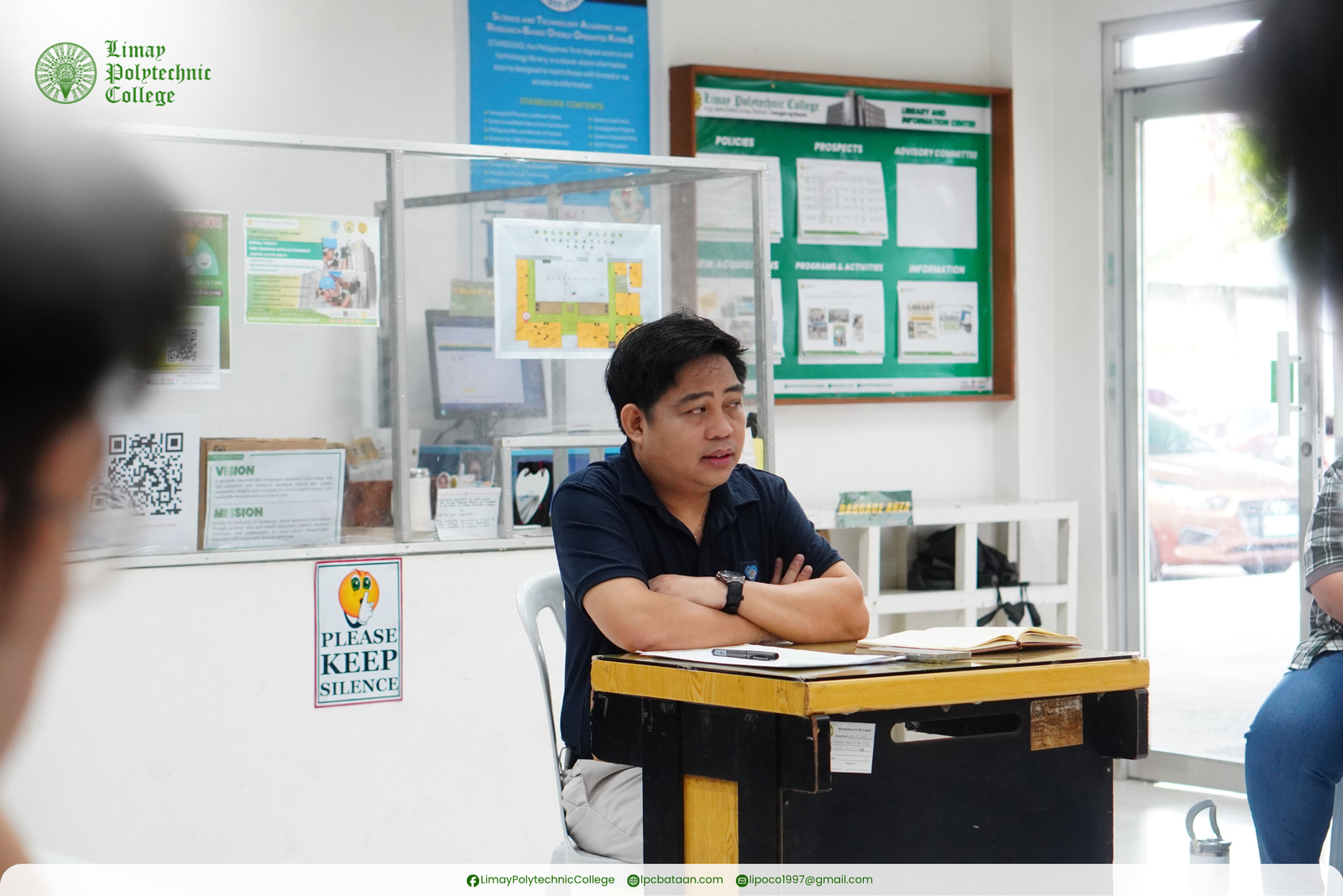
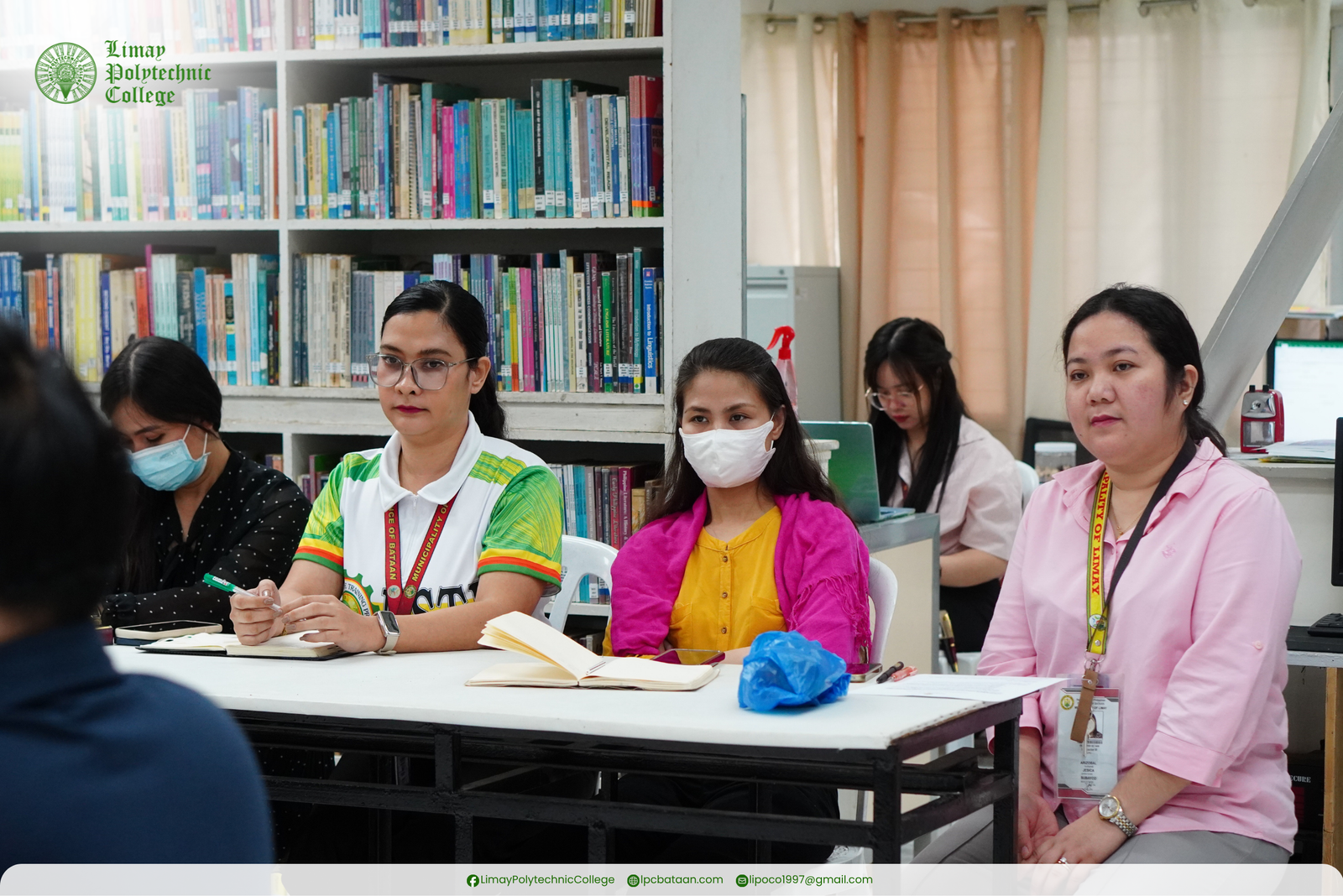
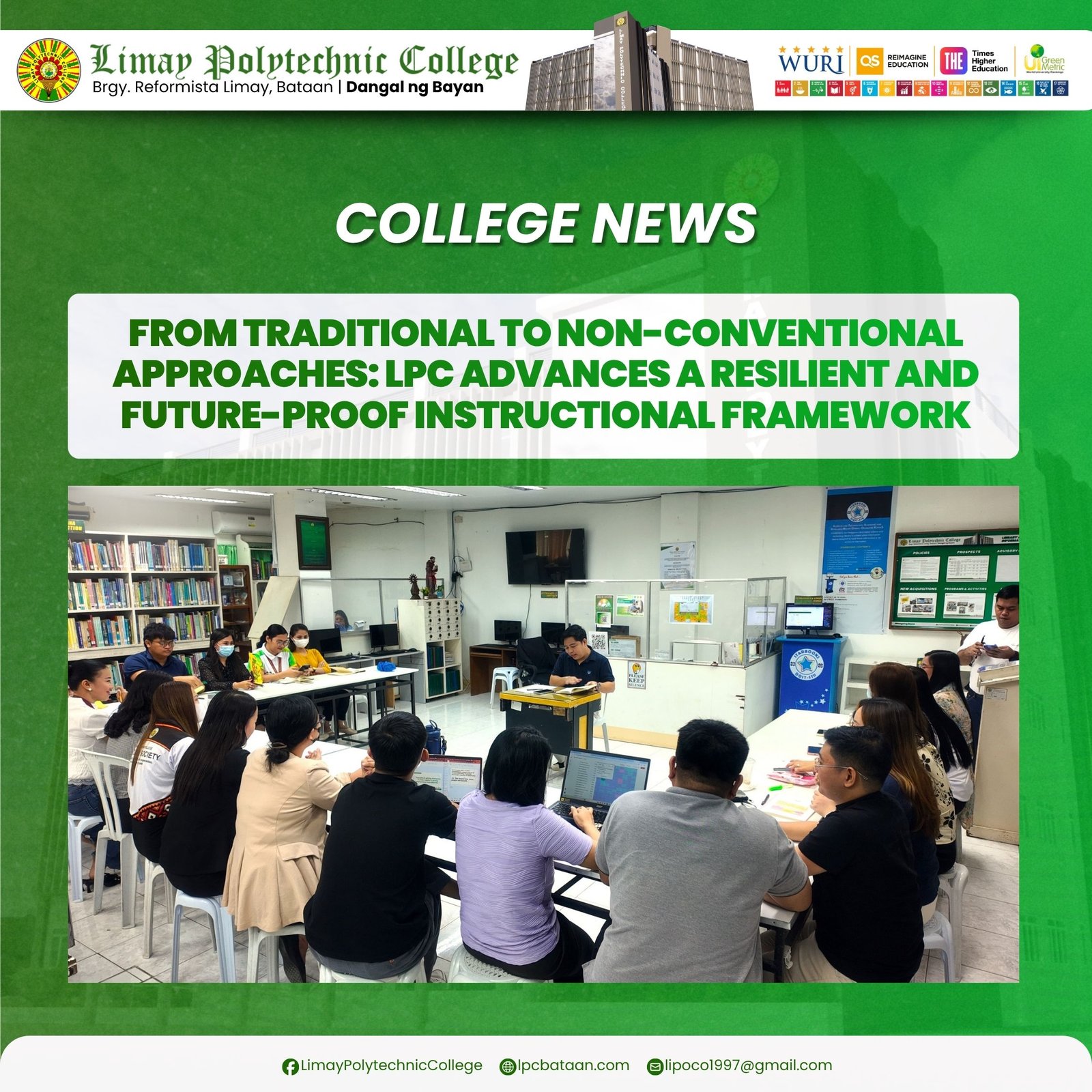
Limay Polytechnic College (LPC) President Dr. Elmer B. De Leon gathered the full-time faculty members on October 23 for an academic caucus to orient them on emerging educational trends, instructional innovations, and responsive teaching approaches aligned with the demands of 21st-century education.
The meeting emphasized the need to move beyond conventional classroom practices toward a more flexible, relevant, competency-driven, outcomes-based, and learner-centered instructional framework.
Dr. De Leon presented updates on the evolving educational landscape, the revised Philippine Qualifications Framework (PQF), the polytechnic education system, future-proofing concepts, resilient education, and 21st-century learning standards.
He underscored the importance of preparing students not only to complete academic requirements but also to become competent, adaptable, and work-ready individuals.
Reframing the Classroom Experience
Under the proposed instructional direction, every classroom is envisioned as a learning hub that provides preparatory experiences for actual workplace and real-world situations.
The President emphasized that instruction must become more engaging, participatory, experiential, and learner-centered.
Accordingly, reliance on workbook-based activities, purely expository and direct instruction, teacher-dominated lectures, and routine student reporting as primary teaching approaches is to be discontinued.
Faculty members are instead, expected to facilitate dynamic learning experiences that encourage critical thinking, collaboration, creativity, problem-solving, and the practical application of knowledge and skills.
Strengthening Industry Linkages and Career Readiness
Department heads were encouraged to continuously establish linkages and partnerships with industries, institutions, and other relevant organizations to expand opportunities for student work immersion, field observation, industry exposure, and apprenticeship experiences.
These initiatives are intended to prepare students ahead of their required internships and provide meaningful opportunities for career entry, including possible employment absorption by partner organizations.
In support of this direction, LPC is set to institutionalize a dedicated unit for career development, employment placement, and industry partnerships to strengthen the transition from education to employment.
Flexible, Inclusive, and Resilient Learning Delivery
The College likewise, recognizes the need to recalibrate instructional delivery in response to climate change, emergencies, resource limitations, and the diverse circumstances of learners.
Learning approaches should be flexible, accessible, inclusive, and responsive to institutional capacity and community needs.
The envisioned framework also encourages wider educational reach among underserved and vulnerable sectors, including grassroots communities, coastal and upland residents, economically disadvantaged populations, Indigenous Peoples, persons with disabilities, senior citizens, and individuals in sensitive or challenging circumstances.
Through appropriate delivery arrangements, LPC seeks to promote equitable learning opportunities and ensure that no learner is left behind.
Technology will serve as an important instrument in addressing emerging educational demands and unusual circumstances.
Among the Management's current priorities are improved Wi-Fi bandwidth, the procurement of Smart Boards, the development of computer hubs, and expanded Zoom subscriptions, subject to available institutional resources and budgetary and subsidiary allocations.
Transforming Assessment and Evaluation
In moving toward authentic and competency-based learning, LPC intends to reduce excessive dependence on conventional paper-and-pencil assessments and place greater emphasis on practical application and demonstrable competencies.
Formative assessment is encouraged to incorporate rubrics, competency revalidation, learning journals, portfolios, simulations, task-driven activities, and performance-based outputs rather than relying primarily on routine quizzes.
Summative assessments, meanwhile, are to be strengthened through standardized, competency-driven, application-oriented, analytical, and research-grounded examinations.
These assessment instruments shall undergo appropriate content validation and item analysis to ensure reliability, relevance, and alignment with program outcomes.
The College also seeks to prepare students for licensure examinations, Civil Service examinations, employment assessments, and other career-related qualifying examinations.
Written test results should be complemented by competency and skills demonstrations, with performance-based evidence given substantial consideration in the grading system.
Recalibrating Curriculum and Flexible Learning Systems
All Flexible Learning Continuity Plans (FLCPs) shall undergo review and mapping against institutional and program outcomes to ensure coherence, relevance, and effective implementation.
Contextualized learning materials and the active utilization of the Learning Management System (LMS) are likewise emphasized.
The College is also exploring and strengthening offline LMS capabilities, responsible use of artificial intelligence and digital learning tools, and online instructional tracking, monitoring, and supervision mechanisms.
These measures are intended to support continuity, accountability, and the validity of teaching and learning processes, while remaining grounded in the Sustainable Development Goals (SDGs) and the Philippine Qualifications Framework (PQF).
Sustaining Faculty Development and Instructional Quality
Recognizing that institutional transformation depends on competent and continuously developing educators, LPC shall sustain professional development through its accredited Continuing Professional Development (CPD) Academy.
Faculty development programs will be guided by needs assessment results, student feedback, faculty performance evaluations, and classroom observation reports.
Opportunities for off-campus and invitational training, short-term courses, and other professional engagements will also be shared with faculty members.
The Management reaffirmed its support for technology utilization, instructional material development, and research capacity-building to strengthen teaching effectiveness and improve learning outcomes.
Regular instructional monitoring, evaluation, and capacity-building activities shall further serve as mechanisms for continuous quality improvement, professional growth, and evidence-based management decisions.
Moving Forward Together
Toward the conclusion of the orientation, Dr. De Leon revisited the College's vision, mission, goals, and expected outcomes, presenting key directions for reflection and collective action.
He emphasized that institutional transformation requires shared responsibility, openness to change, and the willingness to continuously improve established practices.
The College President also acknowledged and expressed his appreciation for the faculty members' efforts, invaluable assistance, continuing commitment, and unwavering support for students in helping them realize their aspirations.
As LPC moves from traditional practices toward more flexible, experiential, inclusive, and competency-based approaches, the institution remains committed to developing a resilient and future-proof instructional framework—one that prepares every LPCian not only for academic success but also for meaningful participation in the workplace, community, and rapidly changing global society.
And these may surely happen when knowledge with full understanding is applied in context responsibly, ethically and accountably, as the new PQF requires. #
#SDG4QualityEducation